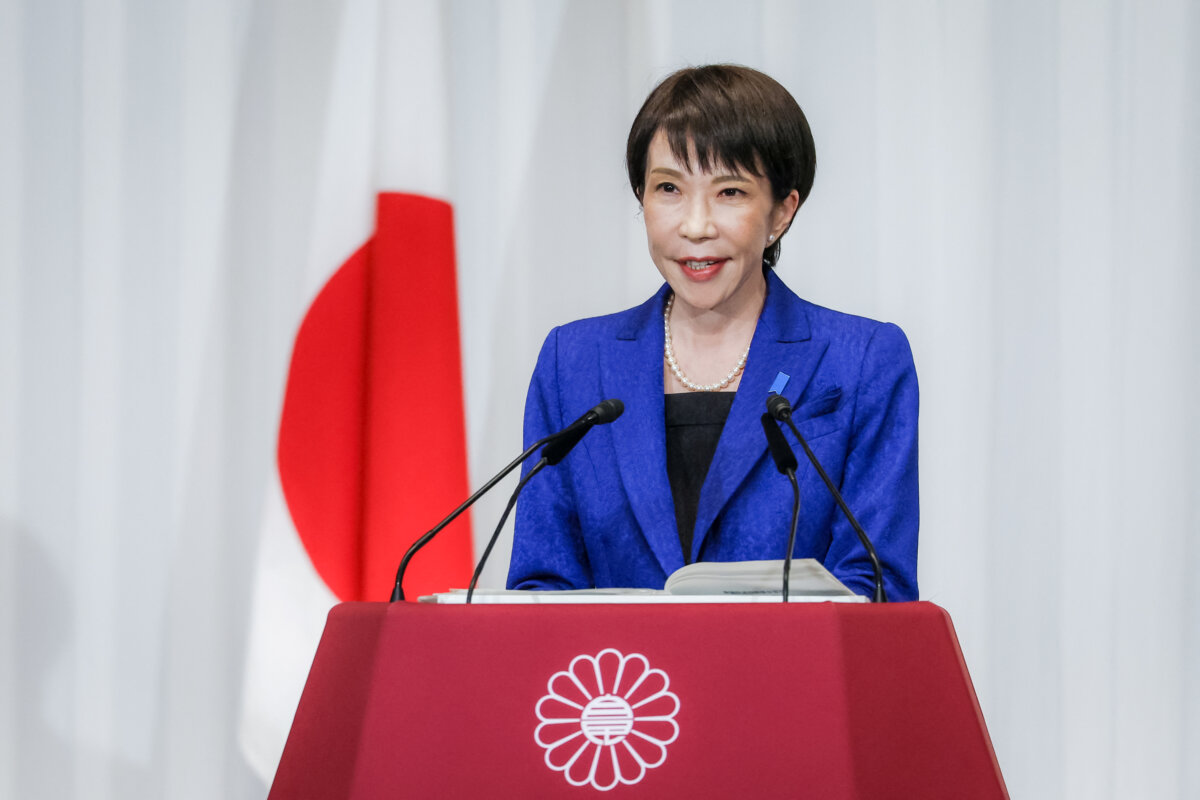

Japanese Prime Minister Sanae Takaichi has asked the International Energy Agency (IEA) to prepare for additional coordinated releases of emergency oil reserves if the Middle East conflict drags on.
Takaichi met IEA Executive Director Fatih Birol in Tokyo on March 25.
After the meeting, Takaichi said she had asked Birol to ensure preparations for additional coordinated releases if the crisis persists.
The IEA chief described the meeting as “very productive” in a March 25 post on X and thanked Takaichi for Tokyo’s support in the agency’s historic oil stock release earlier this month.
The IEA announced the release of 400 million barrels from emergency stockpiles on March 11, while Japan said it would release 80 million barrels from national stockpiles, the largest drawdown in the country’s history.
Officials said the release would cover roughly 45 days of national demand. The government has instructed refiners to process the crude to help stabilize supply, a move expected to reduce national reserves by about 17 percent. The United States supplied the largest share of the coordinated release, totaling 172 million barrels.
Takaichi cited Birol, who said that the 400 million barrels decided for release represent only 20 percent of the total volume and that the IEA is ready for “additional coordinated releases for the remaining 80% if necessary.”
The comment aligns with Birol’s remarks in Paris last week that emergency oil stocks held by IEA member countries still exceeded 1.4 billion barrels even after the initial release.
“Which means we can do more later, as and if needed,” he said on March 20.
Birol added he was in close contact with governments worldwide, including major producers and consumers, as part of what he described as international energy diplomacy.
Japan’s Reserves
Japan has already begun tapping its domestic reserves to cushion the shock to supply and prices.
The Japanese Ministry of Economy, Trade, and Industry said the country started releasing 15 days’ worth of privately held oil on March 16 and plans to release about one month’s supply from state reserves later in the month.
Japan is particularly vulnerable to disruptions because of its reliance on imported energy. Oil accounts for about 40 percent of the country’s total energy supply, according to the IEA, and the nation has virtually no significant domestic production.
Between 80 percent and 90 percent of Japan’s crude imports come from the Middle East, making the security of shipping routes such as the Strait of Hormuz critical to its economy.
Despite this dependence, analysts say Japan has substantial emergency buffers.
A report by ING said the country holds reserves sufficient to cover 254 days of domestic demand, the largest cushion among major importers. South Korea follows with reserves covering about 210 days.
Takaichi said Japan’s stockpile release earlier in March helped spur the IEA’s coordinated action, adding that Japan and the IEA are expanding cooperation beyond oil, including analysis of critical minerals needed for energy transition technologies.
“To protect the lives and economic activities of the Japanese people and to contribute to the world, we will continue to work closely with the IEA,” Takaichi said.
Owen Evans contributed to this report.
 Friends Read Free
Copy
Facebook
Tweet
Friends Read Free
Copy
Facebook
Tweet