
The International Energy Agency (IEA) has urged consumers to work from home and shift from cars to public transportation to cut fuel use amid turmoil in the oil market caused by the Iran war and its fallout in the Middle East.
A new IEA report on March 20 listed 10 actions it said can be adopted quickly across society to soften the economic blow from the surge in energy prices.
The conflict has caused what the agency called the largest supply disruption in global oil market history. Shipping through the Strait of Hormuz, a chokepoint that normally carries about one-fifth of the world’s oil consumption, has fallen sharply.
About 20 million barrels per day of crude and fuel products are lost from normal transit flows, the IEA said.
Most of the actions listed in the report focus on road transport, which accounts for about 45 percent of global oil demand. The recommendations also target aviation, cooking fuels, and industrial use.
The IEA said that working from home, where possible, can reduce commuting-related fuel use, especially for office-based jobs. Lower highway speed limits, by at least 10 kilometers per hour, can cut fuel consumption for cars, trucks, and delivery vehicles, it added.
The agency also suggested shifting from private cars to buses and trains to quickly reduce demand. Some cities may consider alternating road access for private vehicles based on license plates to curb congestion and fuel-intensive driving, the report said.
Other measures include carpooling, avoiding flights when alternatives exist, and switching to electric or other modern cooking methods.
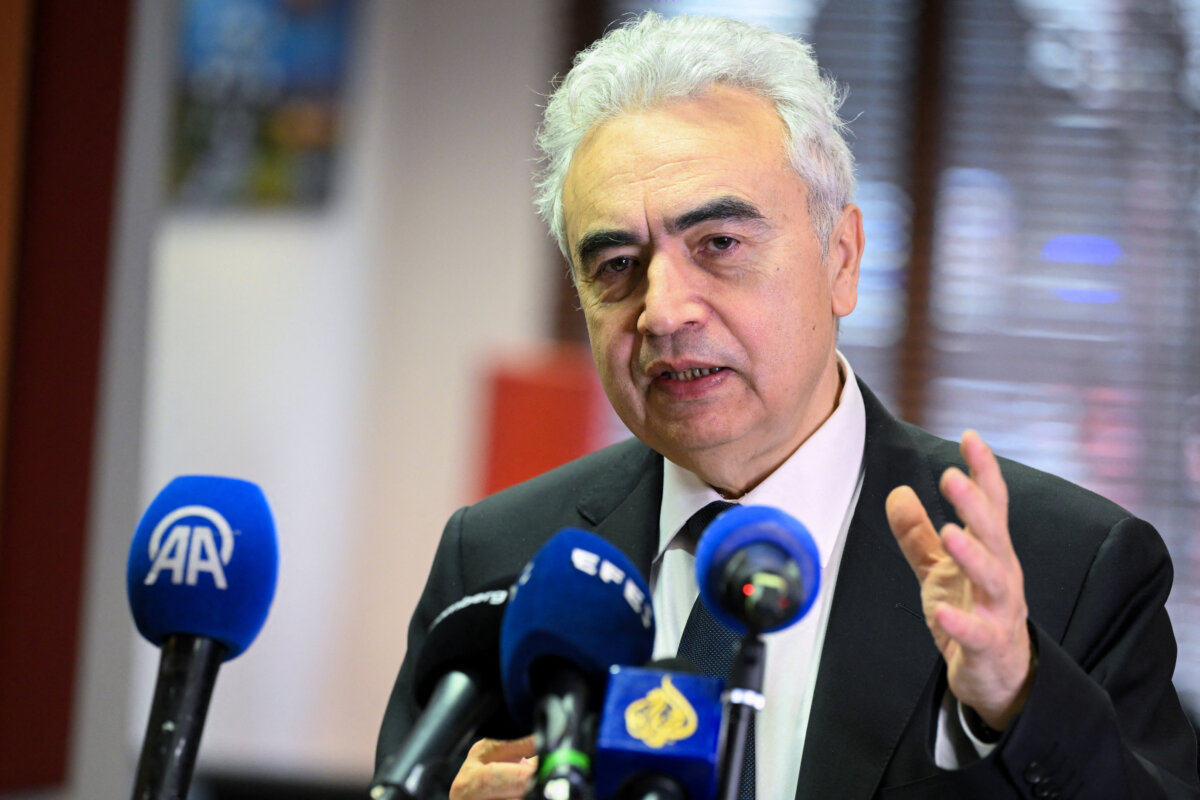
“Today’s report provides a menu of immediate and concrete measures that can be taken on the demand side by governments, businesses, and households to shelter consumers from the impacts of this crisis,” IEA executive director Fatih Birol said.
Industries can help by switching from liquefied petroleum gas to alternative feedstocks such as naphtha where possible, the report said. It added that short-term efficiency upgrades and maintenance can also cut oil consumption and free up fuel for essential uses.
Governments can lead through public-sector policies, regulations, and targeted incentives, the report said. Past crises show targeted aid works better and costs less than broad subsidies, the agency added.
While demand cuts cannot fully replace lost supply, the IEA said they can lower costs, reduce market strain, and preserve fuels for critical uses until normal flows resume.
Emergency Stockpiles
The report comes after the IEA on March 11 announced the release of 400 million barrels from emergency stockpiles, the largest coordinated drawdown in the agency’s history.
The United States provided the bulk of the supply, totaling 172 million barrels.
On March 13, the U.S. Department of Energy sought proposals to release up to 86 million barrels of oil from the Strategic Petroleum Reserve, part of a planned 172-million-barrel release.
Kyle Haustveit, assistant secretary for Hydrocarbons and Geothermal Energy, said the move reflects President Donald Trump’s commitment to protecting U.S. energy security while supporting global market stability.
Three days later, Birol said that the IEA has more emergency oil reserves available if needed. Speaking in Paris on March 16, he said that the combined quantity of emergency reserves, after the initial release, exceeds 1.4 billion barrels.
“Which means we can do more later, as and if needed,” he said.
Commenting on the emergency release of oil stocks, Birol said on March 20 that he is in close contact with nations around the world, including major energy producers and consumers, as part of the IEA’s international energy diplomacy.
 Friends Read Free
Copy
Facebook
Tweet
Friends Read Free
Copy
Facebook
Tweet