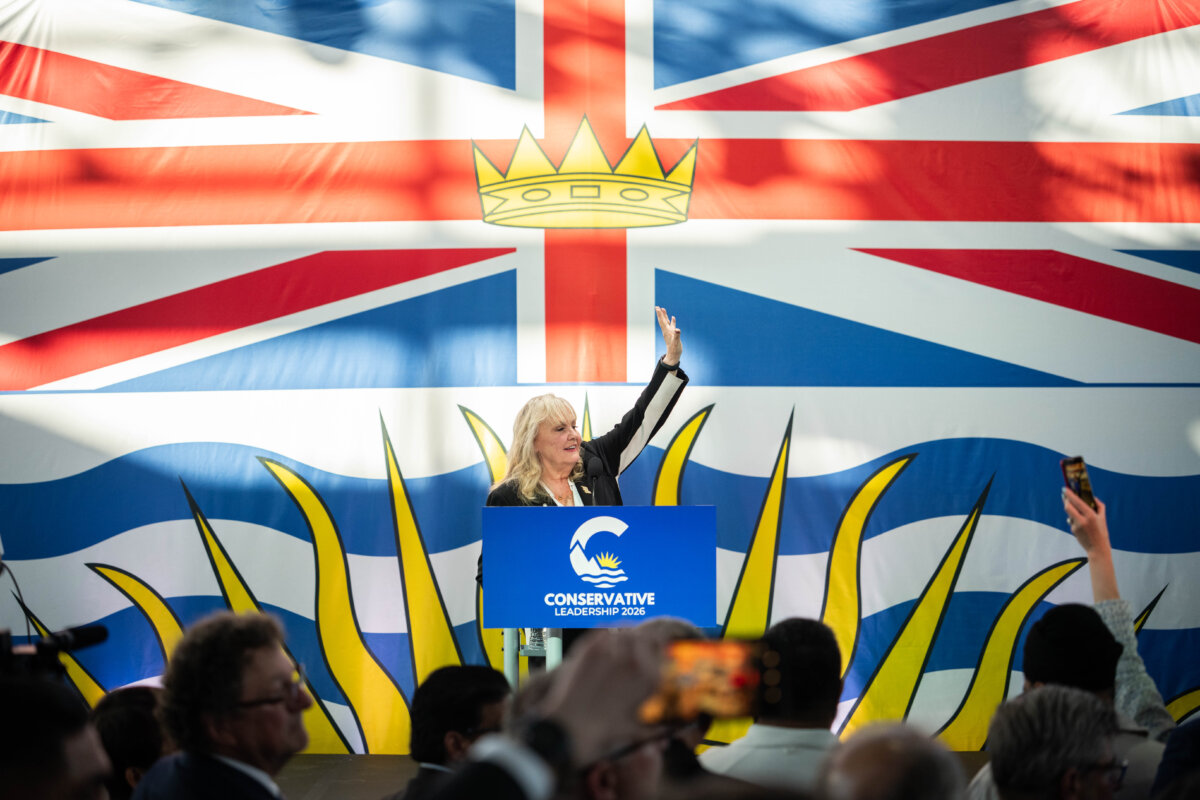
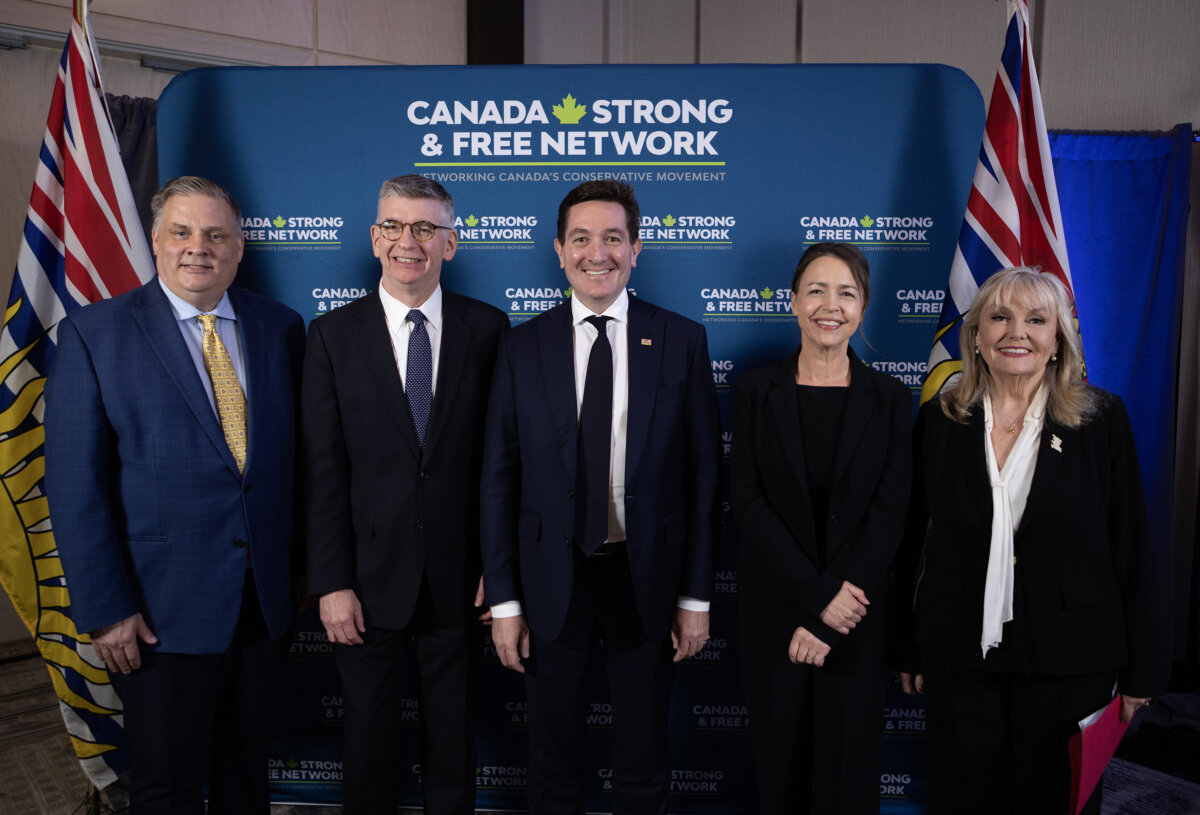
Former Conservative MP and federal cabinet minister Kerry-Lynne Findlay won the B.C. Conservative leadership race on May 30 on the fourth ballot in a close contest that saw her secure 51 percent of the vote, with political commentator Caroline Elliott receiving 49 percent.
Coming in third was former B.C. Liberal cabinet minister Iain Black, followed by entrepreneur Yuri Fulmer in fourth and MLA Peter Milobar, the party announced at a leadership convention in Vancouver.
Findlay, a lawyer, is a former minister of national revenue in Stephen Harper’s Conservative government and served as an MP from 2011 to 2015 and from 2019 to 2025.
In her victory speech, Findlay cited faith, family, and freedom as her priorities.
“In our national anthem, we cry out to God to make our land glorious and free—free people making free choices and free speech in a free-enterprise market economy, where hard work is rewarded and we are not crushed by socialist overreach that wants to dictate literally what we think, what we believe, what we can say, and who we associate with,” she said.
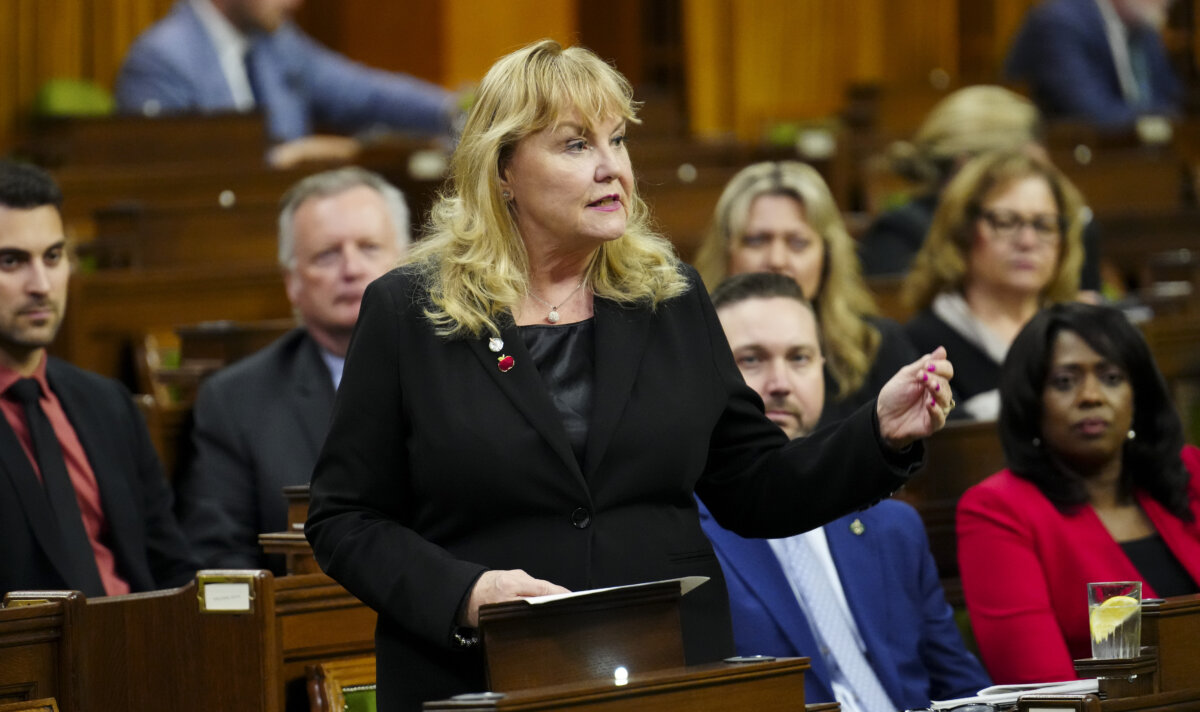
She credited her “small team of determined” campaigners, and thanked the other candidates, who she said all put their names forward for the love of the province.
Findlay, who now has her sights set on the next provincial election, which must be held by October 2028, said she will focus on ensuring property rights, lowering taxes and red tape, improving public safety, developing natural resources, upholding parental rights, and promoting freedoms, including “keeping our professionals practicing without censorship.”
Findlay is married to B.C. Conservative MLA Brent Chapman, who has represented Surrey South since 2024.
Findlay told reporters she is in talks with MLAs who recently left the party amid infighting to see whether they can return, but added that she would consult the caucus before anyone is readmitted.
She also said she will be seeking a seat in the legislature, which would require a caucus member to resign to trigger a byelection.
Four Rounds
According to party rules, a candidate must secure more than 50 percent of the vote to win. The closely contested race went to four rounds of voting, with the lowest-ranked candidate eliminated each round until one candidate passed the 50 percent threshold.
In the first round, Findlay received 30.5 percent of the votes, Elliott 25.8 percent, Black 20.3 percent, Fulmer 13 percent, and Milobar 10.5 percent.
In the second round, after Milobar was removed from the tally, Findlay was bumped to 32.2 percent, Elliott to 28.6 percent, Black to 25.3 percent, and Fulmer to 13.9 percent.
In the third round, with Fulmer eliminated, Findlay received 38.6 percent, Elliott 31.3 percent, and Black 30 percent.
In the final round, after Black was eliminated, Findlay was declared winner with 51 percent, and Elliott received 49 percent.
Leadership Convention
Ahead of the announcement of the results, the party said membership surged from approximately 7,000 in late 2024 to more than 42,000 as of earlier in May, and the leadership contest had a 95 percent turnout among those eligible to cast a vote.
Outgoing interim leader Trevor Halford, who took over leadership of the party after the ouster of MLA John Rustad as leader amid party infighting in December, urged unity in his farewell speech so that the party can win the next election.
“I am going to stand behind whoever wins. Full stop. No caveats, no grudges, no looking back, and I’m going to ask every single person in this room to do the same,” he said.
Rustad oversaw the party’s growth from the political fringes to becoming the Official Opposition after the 2024 election, but he left in December after the party became plagued by infighting, with five MLAs either being forced out of the party or leaving on their own.
The leadership convention also heard from federal Conservative MP Aaron Gunn, who was instrumental in reviving the B.C. Conservatives before leaving provincial politics to run for federal office in 2023.
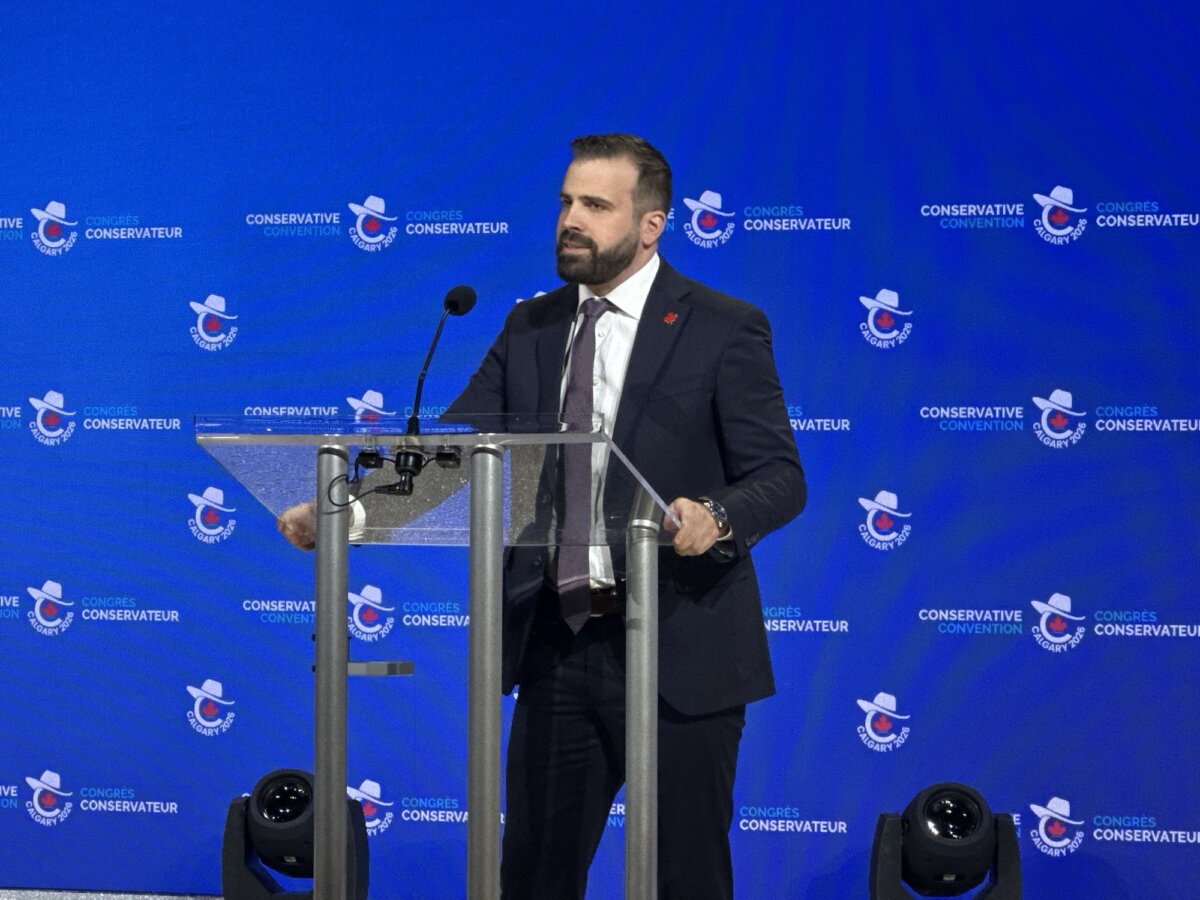
Gunn thanked Halford for serving as interim leader and, like him, urged unity.
“Let it be resolved for all of us in this room that we do what it takes, no matter what, to keep this party conservative, to keep this party united, and come the next election, to defeat the NDP,” Gunn said.
Election Campaign
All candidates aligned on supporting the repeal of B.C.’s Declaration on the Rights of Indigenous Peoples Act (DRIPA) if they formed a government, saying it created uncertainty around private property rights and dampened investment and weakened economic growth in the province.
Candidates also pointed to slowing growth and economic stagnation in B.C., saying better policies are needed to turn the situation around.
The province projects a deficit of $13.3 billion for fiscal year 2026–27.
A Business Council of B.C. survey found 74 percent of respondents were reducing investment in the province due to uncertainty associated with DRIPA, while economists have warned of weaker growth tied to housing, demographic, and trade challenges as also weakening the province’s economic and financial footing.
Social issues also came up during the leadership campaign, including parental rights, Sexual Orientation and Gender Identity curriculum guidance in provincial schools, diversity, equity, and inclusion policies, and free speech.
 Friends Read Free
Copy
Facebook
Tweet
Friends Read Free
Copy
Facebook
Tweet