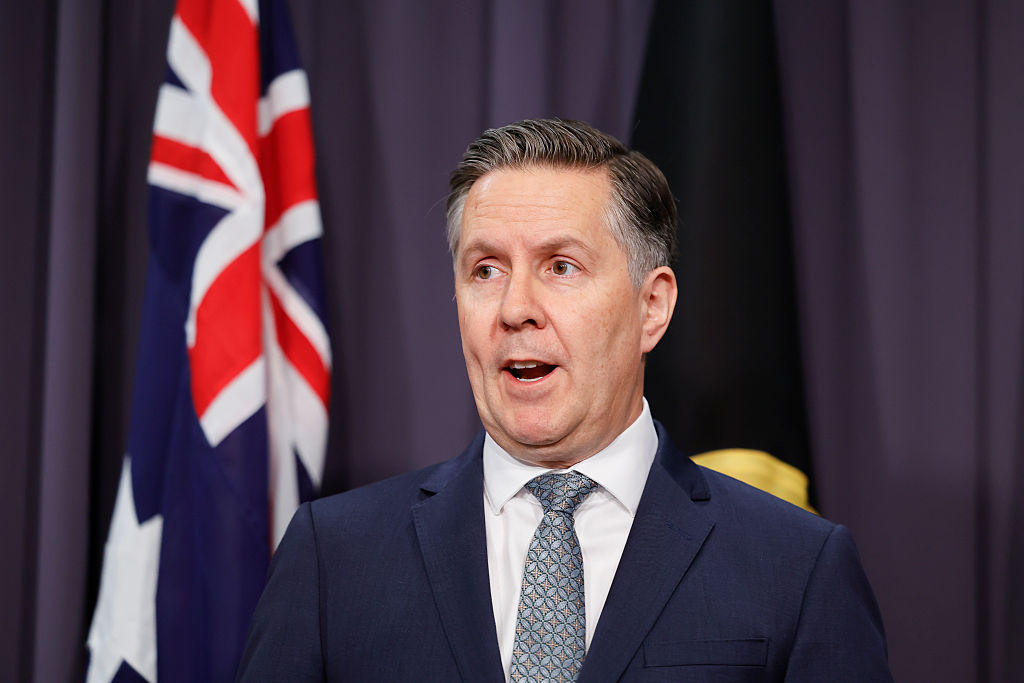
The health minister is defending Labor’s plan to strip higher private health insurance rebates from older Australians, arguing the policy was born in an era of Chinese-fuelled budget surpluses.
The decision to give a higher rebate to over-65s was introduced during the Howard government era to encourage more individuals to take up private health and free up the public system.
Under the current system, rebates sit at 24.1 percent for those under 65, 28.1 percent for those aged 65-69, and 32.1 percent for over 70s.
But Labor has argued that rebates should be based on income, rather than age, and that money saved on the program could be funnelled into aged care services.
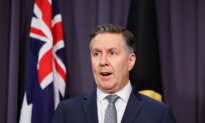
“Look, I recognise this is an unwelcome change for many older Australians, but … we need to find every dollar we can to plough into aged care services,” said Health Minister Mark Butler told ABC Radio National on May 19.
“I think continuing to pay people a higher subsidy for their private health insurance based not on difference in income, but difference in age, was just difficult to sustain.
“This was a measure put in place by John Howard at a time where the budget was literally sort of flooding with cash coming in from China, and he didn’t have the sort of pressure on the aged care system that we have now, so we’ve taken this hard, but I think responsible decision to re-equalise, if you like, private health subsidies based on household income rather than household age, and putting every single dollar we save there back into aged care.”
Butler has previously touted the move as a $3 billion funding injection for the aged care system, as increasing numbers of Australians turned 80 or older.
The government’s aged care plan includes $200 million spending on 20 additional specialist dementia units, initiatives to support moving dementia patients from hospital to dedicated aged care units, and the promise of an additional 5,000 aged care beds annually.
40,000 to 90,000 Australians Could Drop Health Cover: Estimates
But the move to source funding by snipping older Australians’ private health rebates has been heavily criticised by both analysts and the opposition.
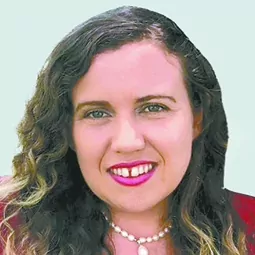
Shadow aged care spokeswoman Anne Rushton said discouraging older Australians from using healthcare will raise the cost to taxpayers in the long term.
“But actually what will end up happening here is that more Australian taxpayers will actually be paying more for health care than they currently are because at the moment older Australians who have their private health insurance are actually covering the lion’s share of their own healthcare through their private health cover,” she told FIVEAA Mornings radio.
“If they move off the private health system and into the public system, working age taxpayers will be picking up the bill and we know that that bill will be much higher than they’re currently picking up at the moment.”
Rushton said the government estimated around 44,000 Australians would drop their private health cover, with an independent report suggesting up to 91,000 people could do so.
“But that doesn’t count the number of people who are likely to drop from maybe being on gold cover to silver cover, so there’ll be a reduction in the sort of level of care that people are taking from their private health insurance,” Rushton said.
Graham Young of the Australian Institute for Progress told The Epoch Times that Labor’s decision could put pressure on the states.
“It sounds like ‘intergenerational equity’ is going to be the fig leaf to cover every cost-cutting measure, even when the measure will make things worse for the younger generation,” he said.
“This measure will cost-shift from the Commonwealth to the states because it will cause more older people to leave the private health system and move to the public hospital system,” he said.
 Friends Read Free
Copy
Facebook
Tweet
Friends Read Free
Copy
Facebook
Tweet