
The Albanese Labor government has decided to inject $50 million of taxpayer funds into Western Australian (WA) lithium producer Liontown Resources.
The Aug. 7 pledge will come via the National Reconstruction Fund (NRF) and comprise part of Liontown’s $266 million institutional capital raise.
The funds will help ramp up operations and support an underground expansion of the company’s Kathleen Valley Lithium Project in WA’s Goldfields-Esperance region.
The move follows a separate $57.5 million government commitment to two zinc smelters in South Australia and Tasmania, highlighting a pattern of targeted assistance for resources projects under the “Future Made in Australia” agenda.
Earlier in the day, Liontown requested a trading halt ahead of the capital raise announcement, in accordance with ASX listing rules.
Lithium Mine Gets Boost
Kathleen Valley, officially opened in July by federal Resources Minister Madeleine King and WA Mines Minister David Michael, supplies lithium to major EV and battery manufacturers including Tesla, Ford and LG Energy Solution.
The mine employs about 450 people and holds enough reserves to operate for at least 23 years.
But like other producers, Liontown has been under pressure amid a sustained lithium price slump that has already forced two WA lithium mines to shut down in the past nine months.
The company previously sought support from the WA government’s $150 million rescue fund for the sector in late 2024.
Critical Minerals a Strategic Focus
Industry Minister Tim Ayres said the NRF’s investment in Liontown highlights the government’s intent to build resilience in critical minerals supply chains and capture more value onshore.
“This investment is about securing jobs, technology, and economic opportunity for Australia,” Ayres said in a statement.
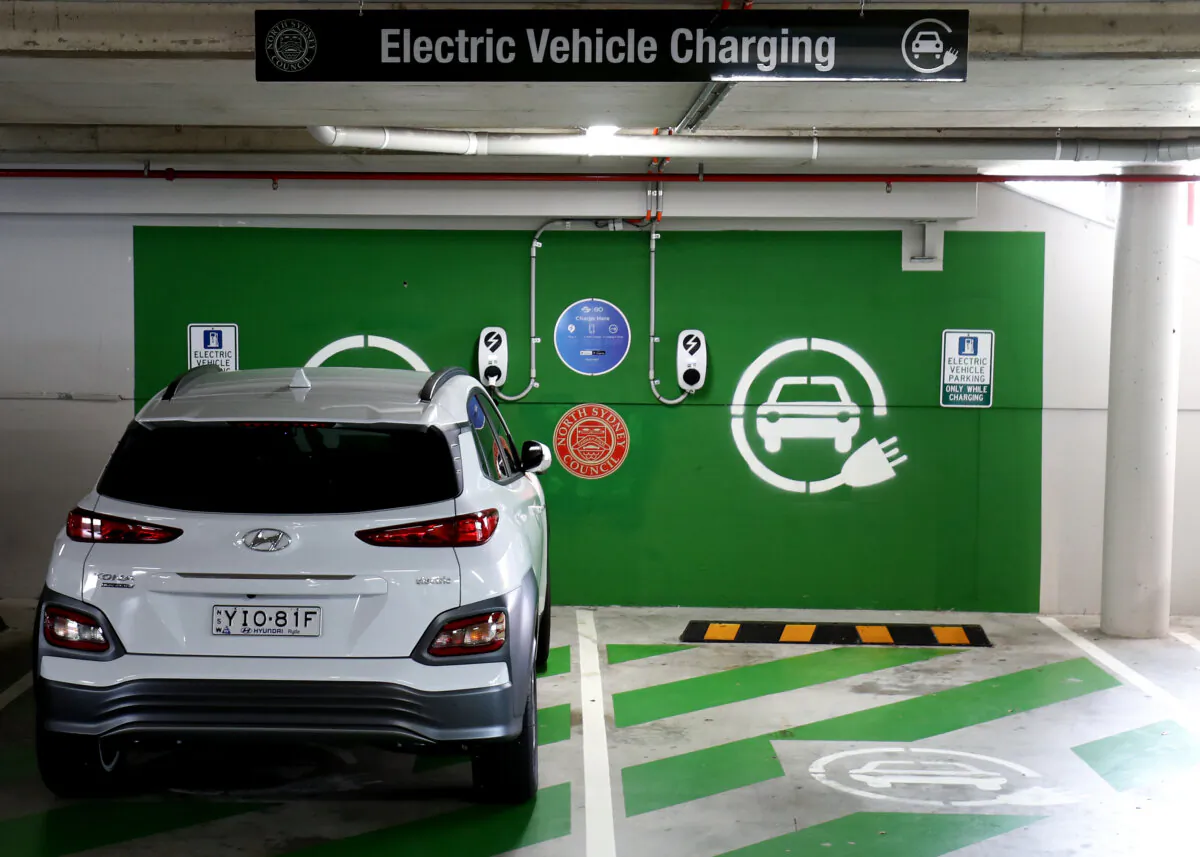
Lithium, a key input for electric vehicle and energy storage batteries, is central to increasingly tech-reliant societies.
Global consumption has tripled since 2016, with roughly 87 per cent of the world’s lithium now used in EV batteries amid the net zero push, according to government figures.
The NRF, a $15 billion facility, is central to Labor’s strategy to diversify the economy. It has previously invested $200 million in Arafura Rare Earths to support magnet production in the Northern Territory and is expected to continue targeting high-value, high-risk industrial projects.
In March Albanese government announced a pre-election pledge to establish a Critical Minerals Strategic Reserve. Scheduled for 2026, the Reserve aims to stockpile key minerals and secure supply via long-term agreements.
The initiative includes $1.2 billion in funding, with $1 billion to expand the Critical Minerals Facility and $7 billion in production tax incentives to attract private investment.
 Friends Read Free
Copy
Facebook
Tweet
Friends Read Free
Copy
Facebook
Tweet