
Latvia will boost its anti-drone defenses along its borders with Belarus and Russia, a military official has said, amid a rising number of unmanned aerial vehicles (UAVs) entering the NATO member’s airspace.
Ukrainian drones conducting missions in Russia have continued to stray into Baltic territory in recent weeks, some incidents sparking orders for civilians to take shelter, with others causing damage to infrastructure.
“We plan to deploy [drone] interceptor teams over the next two weeks,” Major Modris Kairiss, head of the Latvian Army Autonomous Systems Competence Centre, told Reuters.
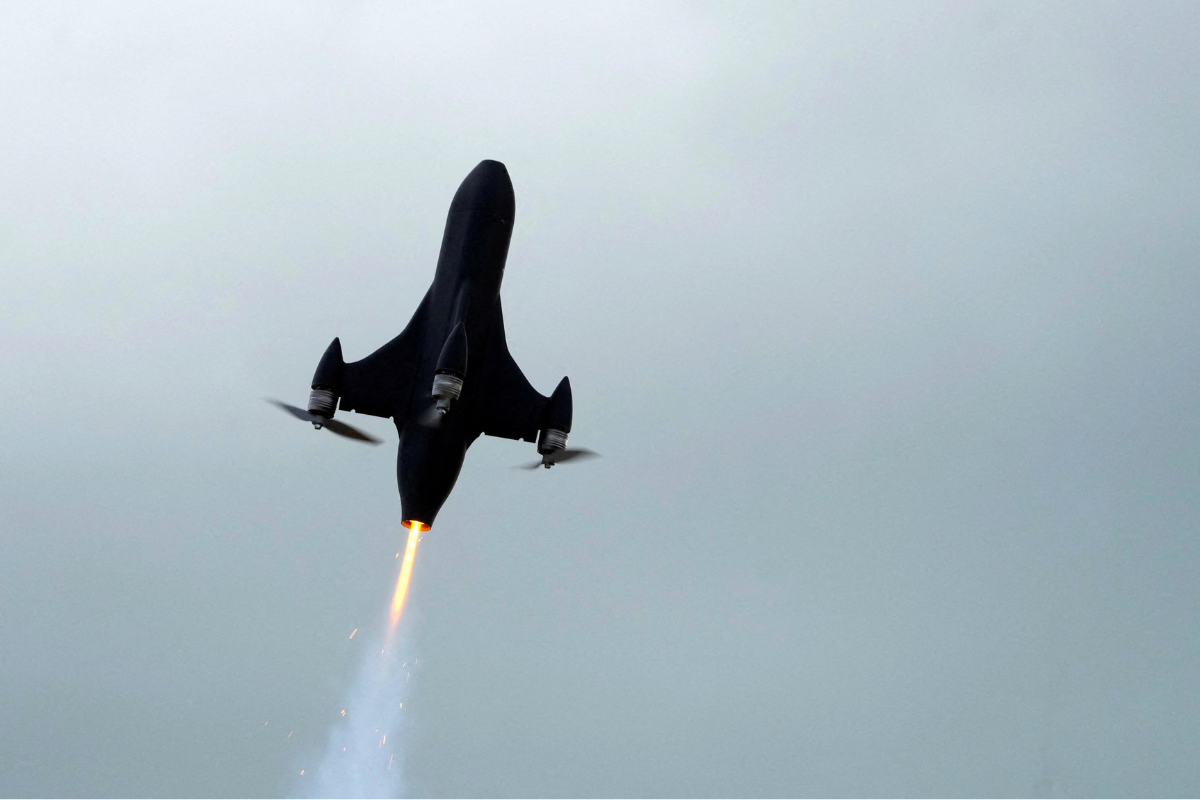
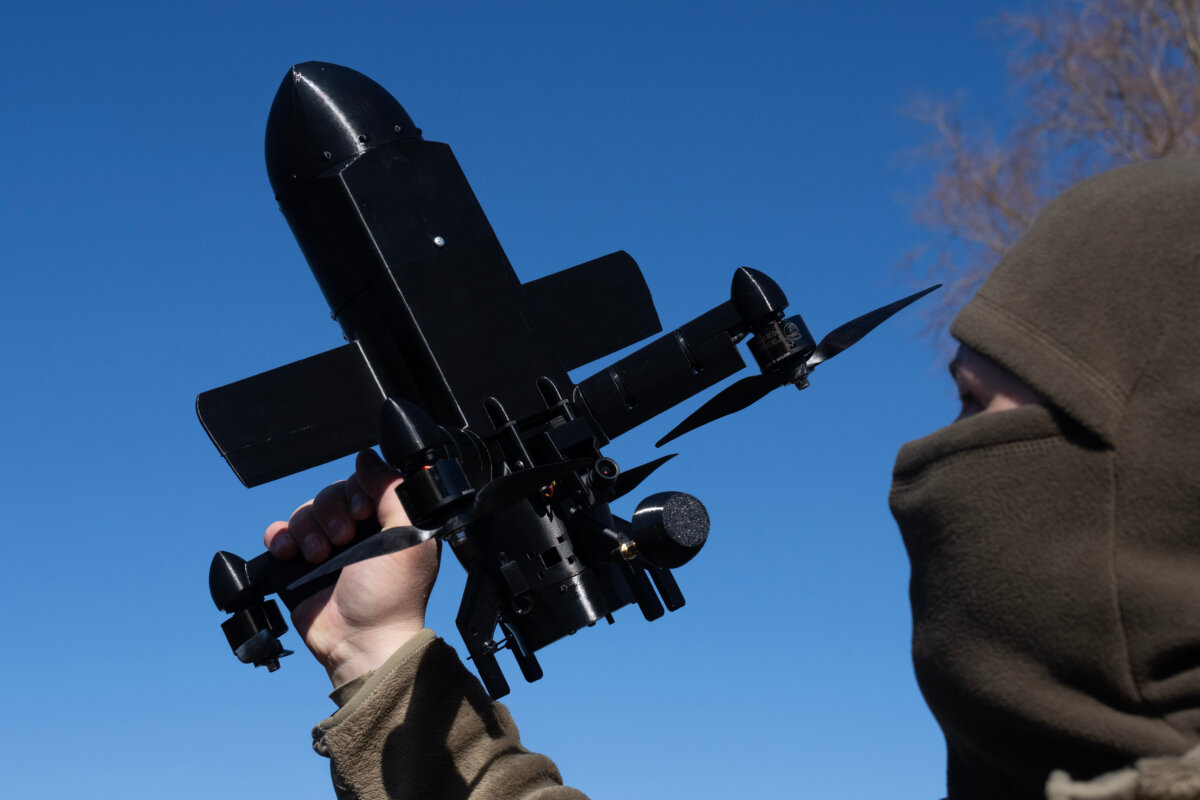
Speaking at a military testing range where Latvia is trying out the latest drone technologies in a NATO program, he said the teams will consist of up to four soldiers in a rugged terrain vehicle operating killer drones, which can destroy incoming military UAVs within a six-mile radius.
The number of teams patrolling the Russian and Belarus borders is classified.
Ukraine has been targeting Russia’s oil loading ports in the Baltic Sea, and authorities in Kyiv have said that Russian jamming is to blame for their UAVs veering off-course and straying into NATO territory.
Ukrainian Drones
There have been several incidents in the past two months of Ukrainian drones entering NATO airspace.
In late March, several stray Ukrainian UAVs hit Estonia, Latvia, and Lithuania. One hit a chimney at a power station, and another crashed into a frozen lake and exploded.
At least one Ukrainian drone also crossed into Finnish territory in March.
On May 7, two suspected stray Ukrainian drones crossed over the border with Russia and crashed in Latvia, and one exploded at an oil storage facility, damaging four empty oil tanks.
On May 19, a Romanian NATO fighter jet shot down a Ukrainian drone over Estonia after it entered the NATO ally’s airspace from Russia. Ukraine apologized to its allies, saying Russia redirected the UAV through electronic warfare.
Then on May 20, a Ukrainian drone approached the Lithuanian capital of Vilnius, forcing lawmakers to take shelter underground. The next day, an air alert was issued in northern Lithuania.
“The threat level is growing,” Lithuanian Defense Minister Robertas Kaunas told Reuters.
“Drones are flying in. They are Ukrainian, but some are loaded with explosives and can hit civilian objects. We must protect people.”
NATO Airspace
Estonia, Latvia, and Lithuania—all members of NATO—are strong supporters of Ukraine in the war, but have not allowed their airspace and territories to be used to launch UAV attacks against Russia.
Kyiv has also denied using Latvian or Estonian territory to launch strikes on Russia.
However, Moscow has suggested that Baltic states are allowing Ukraine to use their airspace to stage aerial attacks.
NATO Secretary-General Mark Rutte on May 20 called the allegation “ridiculous.”
The drone incidents prompted Latvia and its neighbor Lithuania on May 7 to call for NATO to increase air defenses over the region.
“I have raised this with our allied partners, including within the NATO framework in this region, that the defense of our airspace is a shared responsibility,” Latvian Defense Minister Andris Spruds said at a press conference near a drone crash site in the eastern part of the country. Spruds has since resigned his position over the drone incidents.
“This is shared [NATO] airspace, and it is necessary to have [military] units here.”
Kaunas, Lithuania’s defense minister, also said he expected NATO to increase airspace security in the region.
“Strengthening anti-drone defense in our region should be a particular emphasis [for NATO], and additional capabilities are welcome here,” Kaunas said in Vilnius.
“Because this is where we have threats today, and they are not theoretical but real: Drones are crashing into NATO territory.”
Reuters contributed to this report.
 Friends Read Free
Copy
Facebook
Tweet
Friends Read Free
Copy
Facebook
Tweet