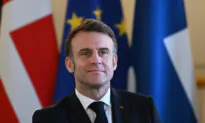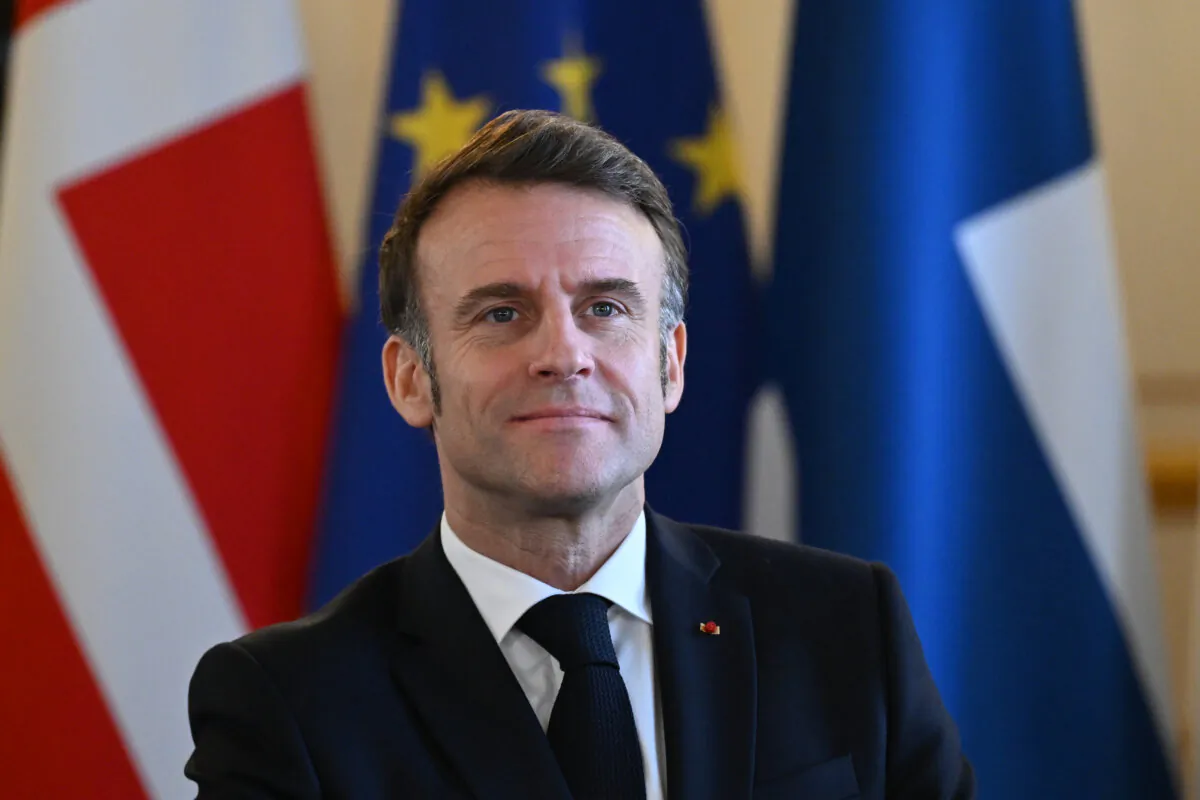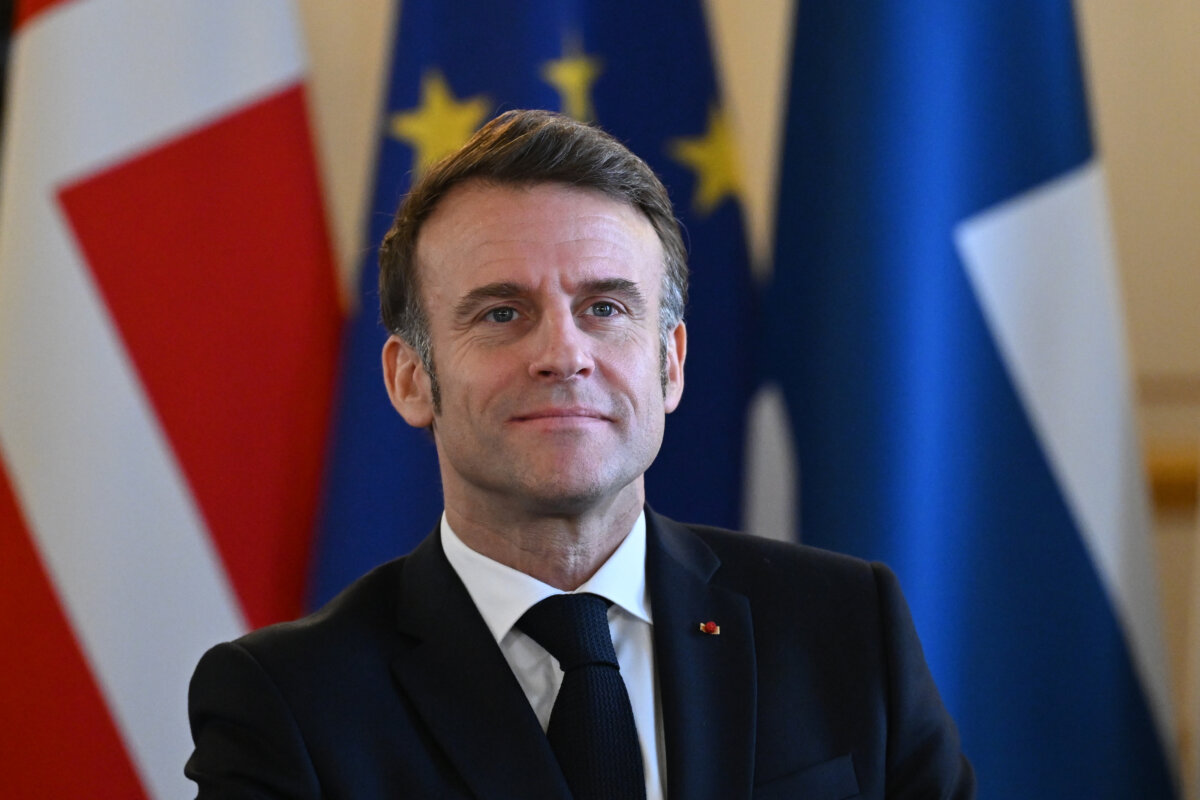

In the first state visit to Britain by a European leader since Brexit, French President Emmanuel Macron will meet with British Prime Minister Sir Keir Starmer to discuss key issues including illegal immigration and security.
Macron’s three-day visit, beginning on Tuesday, includes a meeting with King Charles III at Windsor Castle, an address to Parliament at Westminster, and a bilateral summit.
On Thursday, the leaders will convene at the 37th Franco-British summit, where they are expected to address a broad agenda spanning illegal immigration, economic growth, defense, and security cooperation.
The summit comes amid a surge in illegal small boat crossings across the English Channel from France to the UK.
The UK Home Office reiterated in a recent statement its commitment to ending what it called “dangerous small boat crossings, which threaten lives and undermine” British border security.
Despite joint law enforcement efforts in northern France, and collaboration with European partners to dismantle smuggling networks, more than 21,000 illegal immigrants have crossed the channel so far this year.
Macron and Starmer last met at the G7 Summit in Canada, where they agreed that illegal immigration must be treated as a top priority “given the deteriorating situation in the Channel.”
France–UK Cooperation
Over the past year, the UK and France have deepened cooperation on illegal channel crossings.
In February, the two countries agreed to extend the financial deal on tackling small‑boat crossings until 2027, and to redirect more than 8 million euros ($9.3 million) of existing funding in support of some “new, stronger enforcement plans.”
As part of the plan, British Home Secretary Yvette Cooper and French Interior Minister Bruno Retailleau agreed to launch a new specialist intelligence and judicial police unit in the French coastal city of Dunkirk to speed up the arrest and prosecution of smugglers.
Other measures include more drone pilots to expand surveillance and intercept boats before they reach the sea.
At the Organised Immigration Crime Summit, held in London in March, France committed to changing its maritime rules so police can take earlier action against small boats near the shore—a change heavily advocated by the UK.
These updated patrol powers are now supported by expanded drone surveillance and specialist coastal monitoring units.
Cooper has stressed the need for “stronger action” to prevent the crossings. Speaking to parliamentarians on Monday, she said: “The French Minister of the Interior and I agree that this needs to change. He has instigated a major maritime review to change tactics and operations, and we want to see these changes in place as soon as possible.”
Cooper also said that Iraqi Kurdish people-smuggling gangs, in particular, are operating in northern France. To address the issue, the UK has reached an agreement with France, Iraq, and the Kurdistan Regional Government (KRG), committing funding to support the training of Iraqi and KRG law enforcement agencies.
A specific illegal immigrant returns agreement between the UK and Iraq—currently in development—is intended to enable the swift return of illegal immigrants to Iraq.
While the UK has advanced plans for a returns agreement with Iraq, it has yet to reach a similar deal with France.
New illegal immigrant return rules proposed by the European Commission aim to boost return rates across the bloc.
These include legal provisions for EU countries to establish “return hubs” and forge bilateral agreements with third countries—measures that could, if adopted, pave the way for a fast-tracked returns agreement between Paris and London.
Defense Partnership
Other items on the agenda during Macron’s visit include defense cooperation as part of the countries’ efforts to form a “coalition of the willing” to support the deployment of a security force in Ukraine.
In April, British Defence Secretary John Healey and French Defence Minister Sébastien Lecornu hosted their counterparts from around 30 countries at NATO’s headquarters in Brussels.
The discussion involved military planners from across Europe, focusing on land, air, and sea support structures, with the goal of enhancing Ukraine’s armed forces posture and deterrence capabilities.
According to Vincent Caure, National Assembly deputy for French Nationals in the UK, Starmer and Macron are due to update the Lancaster House defense agreements—a set of bilateral military and security cooperation treaties signed in 2010.
These agreements have gained renewed importance in light of the war in Ukraine and a push for stronger European defense coordination.
Further topics include expanded cooperation in areas such as energy, transport, artificial intelligence, and space, as well as academic partnerships, cultural exchange, and fisheries.
 Friends Read Free
Copy
Facebook
Tweet
Friends Read Free
Copy
Facebook
Tweet