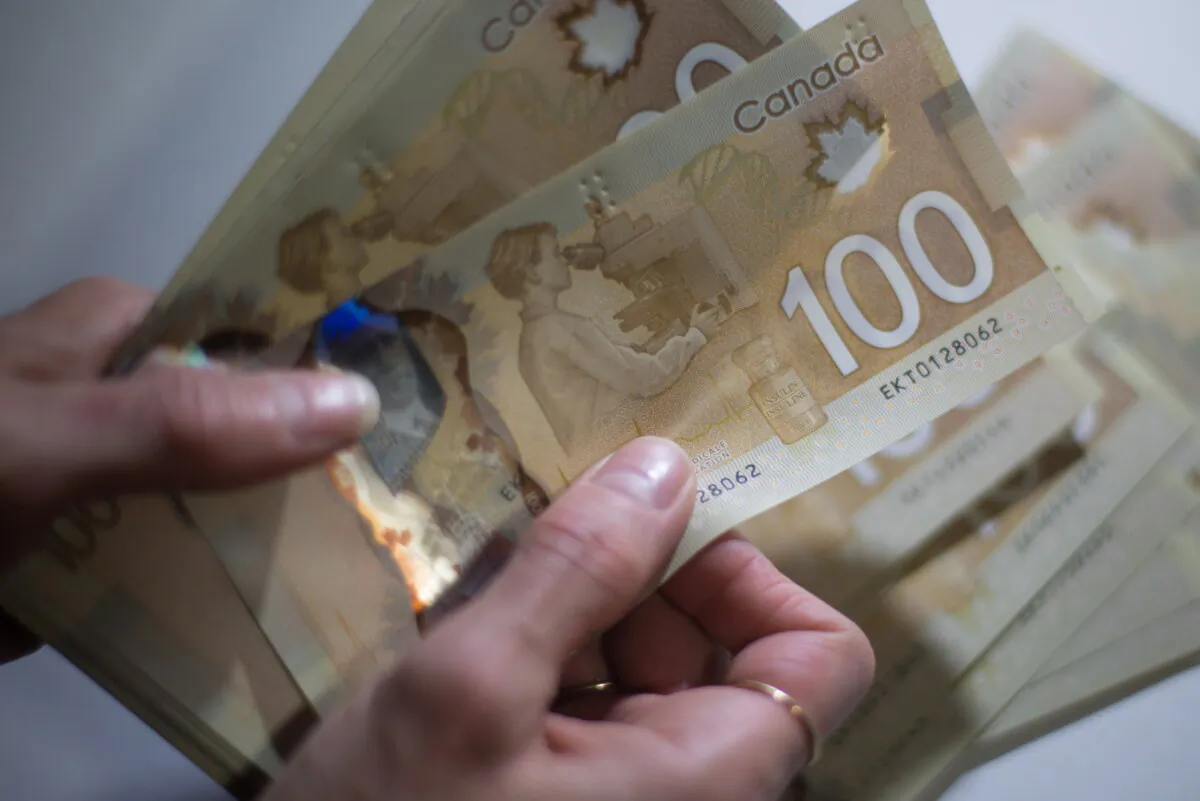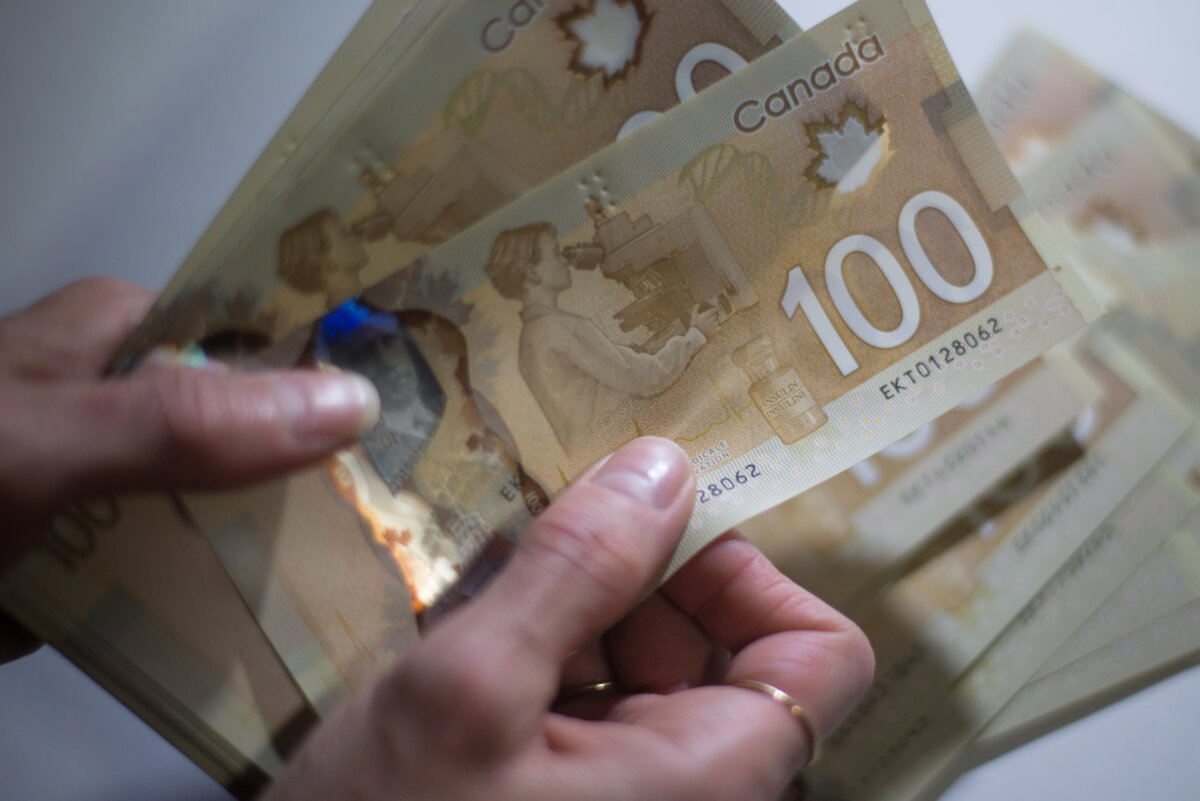

Nearly two-thirds of Canadians say they “desperately” need interest rates to fall as the escalating cost of living and ongoing economic uncertainty drive some households toward increased debt or bankruptcy, a new report suggests.
Even if rates were to decline, 45 percent of people polled by Ipsos as part of the latest MNP Consumer Debt Index released July 14 said they would still be concerned about their ability to repay debt, while 41 percent say they are afraid an increase in interest rates would drive them toward insolvency.
“About 14 million Canadians remain close to financial insolvency, with little to no ability to absorb an unexpected expense or income disruption,” MNP president Grant Bazian said in a statement, noting that 42 percent of Canadians polled indicated they are $200 or less away from financial insolvency each month.
This was especially true in Alberta and Ontario. Forty-seven percent of Albertans polled said they are $200 or less away from bankruptcy each month, an increase of two points from the previous quarter, the report found. While fewer Ontarians—43 percent—said the same, the province saw a five-point increase since the prior quarter’s survey.
Nova Scotians, however, were the most concerned about their current debt level among all provinces surveyed. Fifty-four percent of those surveyed in the Atlantic province voiced this concern, a 10-point increase from the previous quarter.
Saskatchewan and Manitoba residents scored highest on interest rate concerns, the poll found. Sixty-five percent of those polled said they urgently need an interest rate decrease, a five-point surge from the previous quarter.
The Bank of Canada has maintained its benchmark interest rate at 2.75 percent in two successive decisions. The central bank is largely expected to maintain the status quo in its next interest rate decision on July 30, although some economists say there could be more cuts by year’s end or in early 2026.
“Persistent fears remain around interest rates,” Bazian added. “For some households, the damage has already been done. There may be some deep anxieties about what could still be to come after years of rising costs, high interest rates, and depleted savings.”
One of those worries is debt load, the survey found. Forty-six percent of those polled say they regret the amount of debt they have taken on this quarter and 44 percent are concerned about their current debt level.
Economic Uncertainty Feeding Anxieties
Thirty-six percent of the Canadians surveyed reported feeling anxious or stressed about their current financial situation. An additional 26 percent said they felt like they’re having to “put their life on hold” while 24 percent said they are perpetually addressing financial emergencies due to a series of unforeseen expenses.
“Canadians have not witnessed such economic uncertainty since the COVID-19 pandemic. While financial perceptions have somewhat stabilized, many households feel like their lives are on hold, stuck in a financial holding pattern as they wait for the proverbial dust to settle,” Bazian said. “Many Canadians are hesitant to make major financial or life decisions due to persistent economic pressures and a backdrop of global volatility.”
That uncertainty comes amid the ongoing trade war become Canada and the United States when tariffs imposed on many Canadian products and resources leave some workers worried about losing their jobs. U.S. President Donald Trump has targeted the auto, steel, aluminium, and copper industries with tariffs ranging from 25 to 50 percent.
Some Canadians—23 percent—are adjusting to the lack of certainty by postponing life goals, such as home ownership, career changes, or having children, the survey found. Canadians in the 18-to-34 age bracket are the most likely to put such milestones on hold.
Instead, 41 percent of Canadians are focusing on cutting spending, 33 percent are increasing their savings or establishing emergency funds, and 27 percent are focusing on repaying debts, the survey found.
An increasing number of Canadians are establishing financial reserves to protect themselves from potential economic disturbances in the face of persistent uncertainty, the report said.
Households now have an average of $916 remaining at the end of the month, a significant increase from only $49 last quarter. This increase represents the second-highest amount recorded since MNP started tracking this data in 2017.
Bazian called the change “small but encouraging.”
“While challenges remain, any movement toward greater stability is meaningful in this environment.”
 Friends Read Free
Copy
Facebook
Tweet
Friends Read Free
Copy
Facebook
Tweet