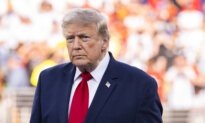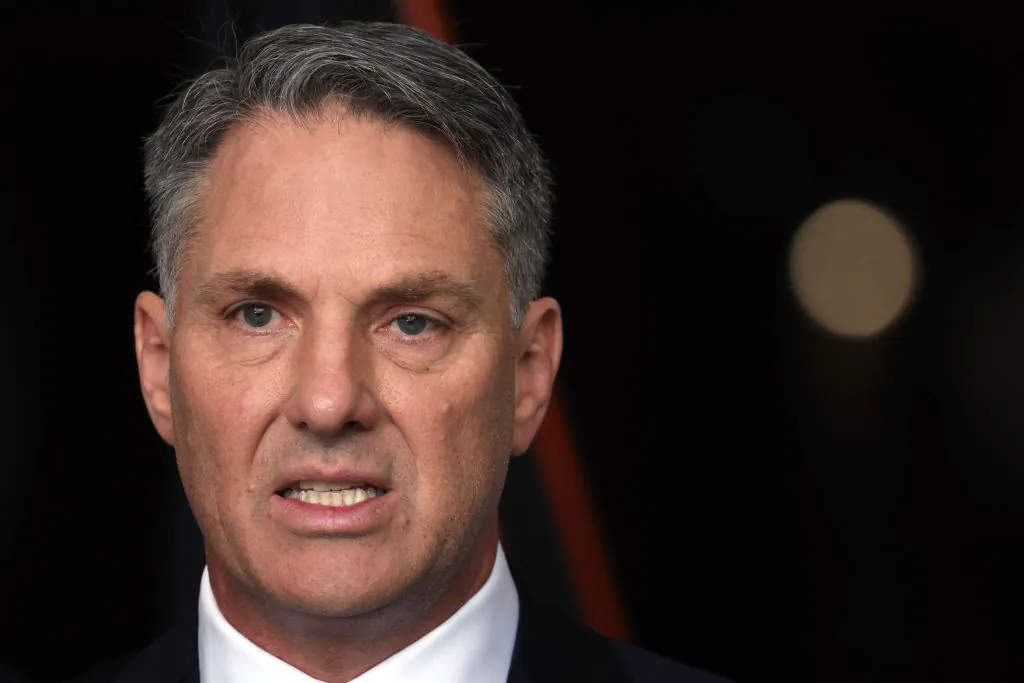

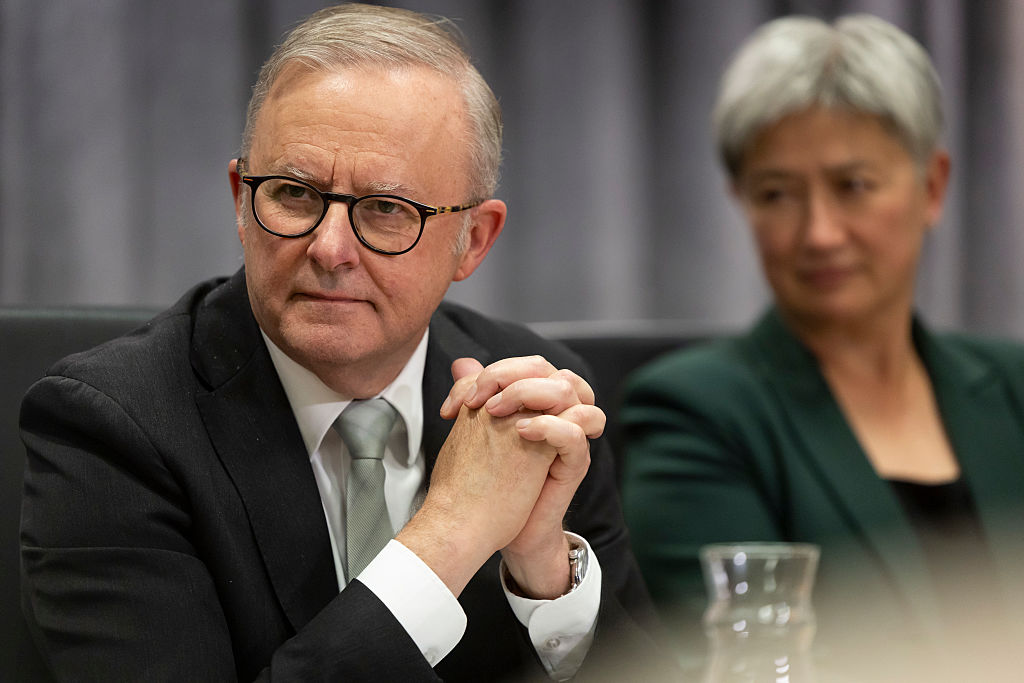
Hopes of Prime Minister Anthony Albanese finally meeting with U.S. President Donald Trump have again been dashed, with reports confirming the Australian leader will not attend the NATO summit at the Hague.
Albanese and Trump did not meet at the G7 summit in Canada on June 19, as some had expected, with the U.S. President leaving early to deal with emerging conflict in the Middle East.
On the day of the summit, Foreign Minister Penny Wong called it a “very unstable time in the world” and said the government was weighing whether Albanese should attend the NATO summit on June 24-25.
Albanese did meet with several high-ranking U.S. officials on the sidelines of the G7, including Treasury Secretary Scott Bessent, National Economic Council Director Kevin Hassett, and Trade Representative Jamieson Greer.
He described the talks as “a good opportunity to put forward Australia’s position on tariffs.”
Albanese also brought up the trade surplus that the U.S. has with Australia.
“We made the point very clearly to the American trade representative and to [other officials] that the [free trade agreement] has delivered for both Australia and the United States for a couple of decades now,” he said.
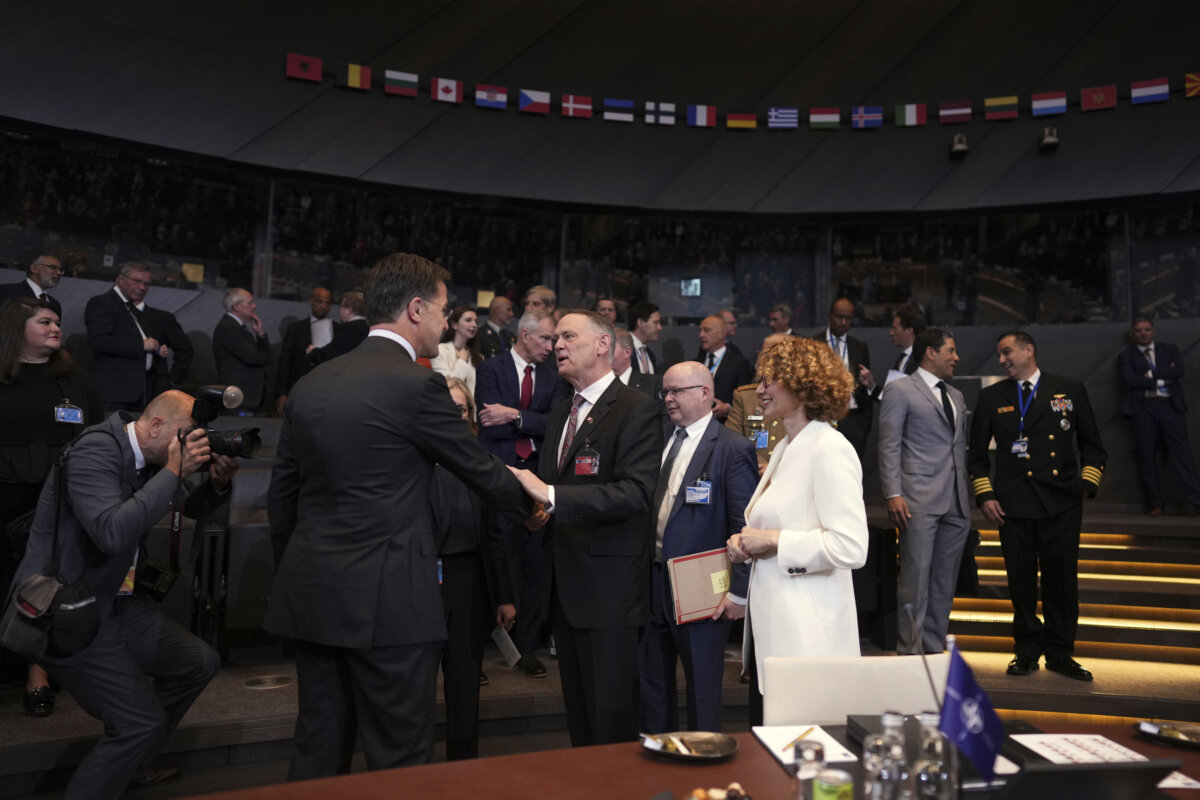
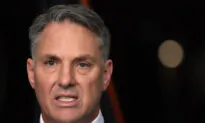
Deputy Prime Minister and Defence Minister Richard Marles is expected to attend the NATO summit in Albanese’s place.
“Whatever happens in terms of what decision is made, Australia will be represented at NATO,” Marles told ABC News.
“It’s a really important forum which has become more important, I think, in terms of Australia’s national interest in the last few years than we’ve perhaps seen it in the past.”
A number of outstanding topics remain officially unaddressed between the two nations, including the U.S.’s 10 percent “Liberation Day” tariffs on Australia’s large beef export business to the United States, or the 50 percent tariff on steel and aluminium exports.
Other matters include the potential impact of a proposed 100 percent tariff on Hollywood productions filmed overseas, and a push for Australia to raise its defence spending to 3.5 percent of GDP.
Israel is another emerging point of contention, with the United States standing firm with its ally, while the Labor government appears to be backing away from its relationship with the Middle Eastern nation.
Opposition trade spokesman Kevin Hogan has pressed the importance of Albanese sitting down with Trump.
“Albanese should have had a meeting with Trump a long time ago,” he told Sky News.
“He hasn’t made it a priority. It’s now embarrassing, the fact that he hasn’t been able to secure one.”
NATO is a collective military alliance between member nations, and meetings are held with leaders to make major defence and security decisions.
While Australia is not a member of NATO, Australian leaders are invited due to their close relationship with member nations such as the U.S. and the UK.
 Friends Read Free
Copy
Facebook
Tweet
Friends Read Free
Copy
Facebook
Tweet