
UK officials on March 20 reported more cases of invasive meningococcal disease as they expand efforts to give students vaccines and antibiotics.
The UK Health Security Agency (UKHSA) said that as of midday on March 19, it has been notified of 18 confirmed cases and 19 probable cases. That marks two new cases from the previous day.
No additional deaths beyond the two confirmed earlier in the outbreak have been reported, and all of the patients have been hospitalized.
Dr. Anjan Ghosh, Kent County Council director of public health, told reporters during a briefing that it is too soon to say whether the outbreak of meningococcal disease has been contained because the disease has an incubation period.
The inflammatory disease, or meningitis and septicaemia, is caused by meningococcal bacteria. Symptoms include rash, fever, and vomiting. The outbreak began earlier in March in Kent, England.
Authorities had been offering preventive antibiotics and vaccinations to some individuals. On March 19, they said they were expanding antibiotics to people who were at club Chemistry in Kent from March 5 until March 15, as well as people who came into close contact with suspected or confirmed cases and 6th form students (years 12 and 13) attending schools or colleges in Kent where cases have been identified.
Officials are also extending vaccination against the disease to those who were offered preventive antibiotics.
“By extending the vaccination programme to everyone who has been offered preventative antibiotics, we are taking an important additional step to protect those most likely to have been exposed,” Susan Hopkins, chief executive of the UKHSA, said in a statement. “The message is simple: if you have had the antibiotic, you are also eligible for the vaccination.”
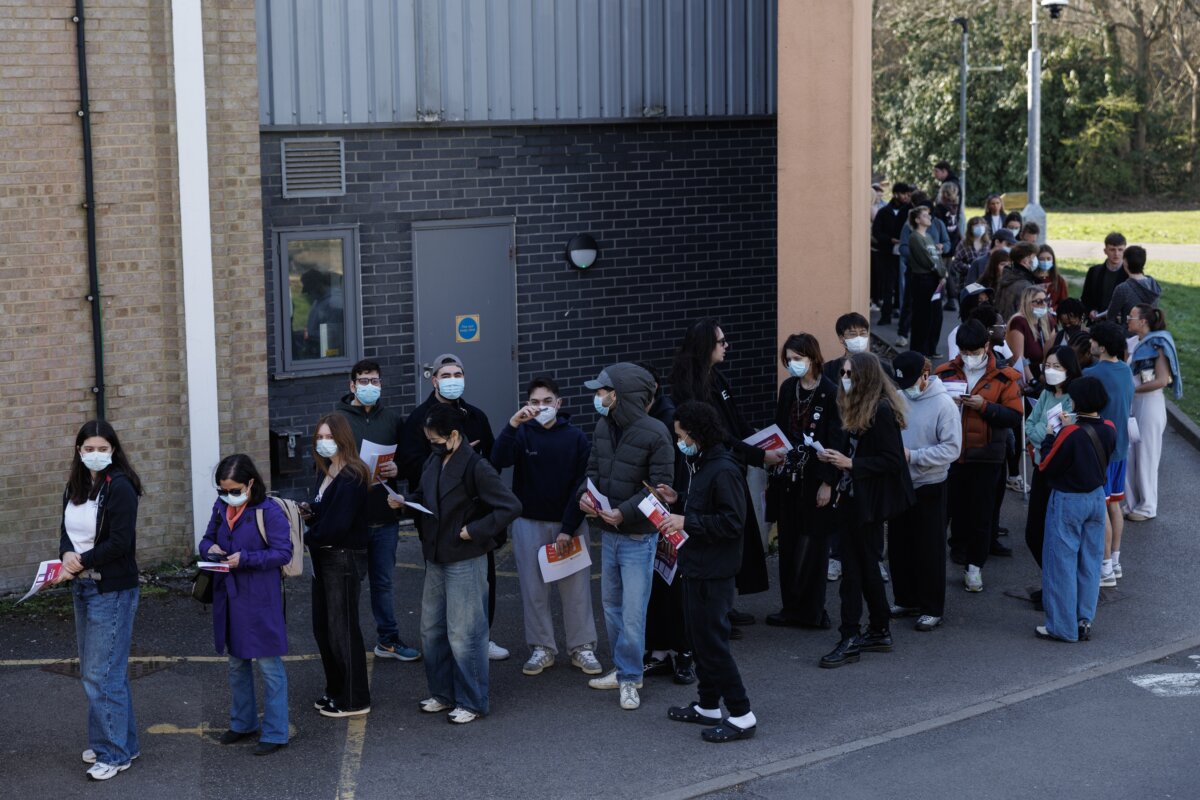
About 2,360 vaccines and more than 9,000 antibiotic doses have been administered during the outbreak, according to UKHSA. Images from local media showed students lining up outside vaccine centers.
Strain Identification
Genetic analysis of the meningococcal strain circulating in Kent identified it as a type belonging to the group B meningococci, UKHSA said on March 20.
Similar strains have been spreading in the UK for about five years.
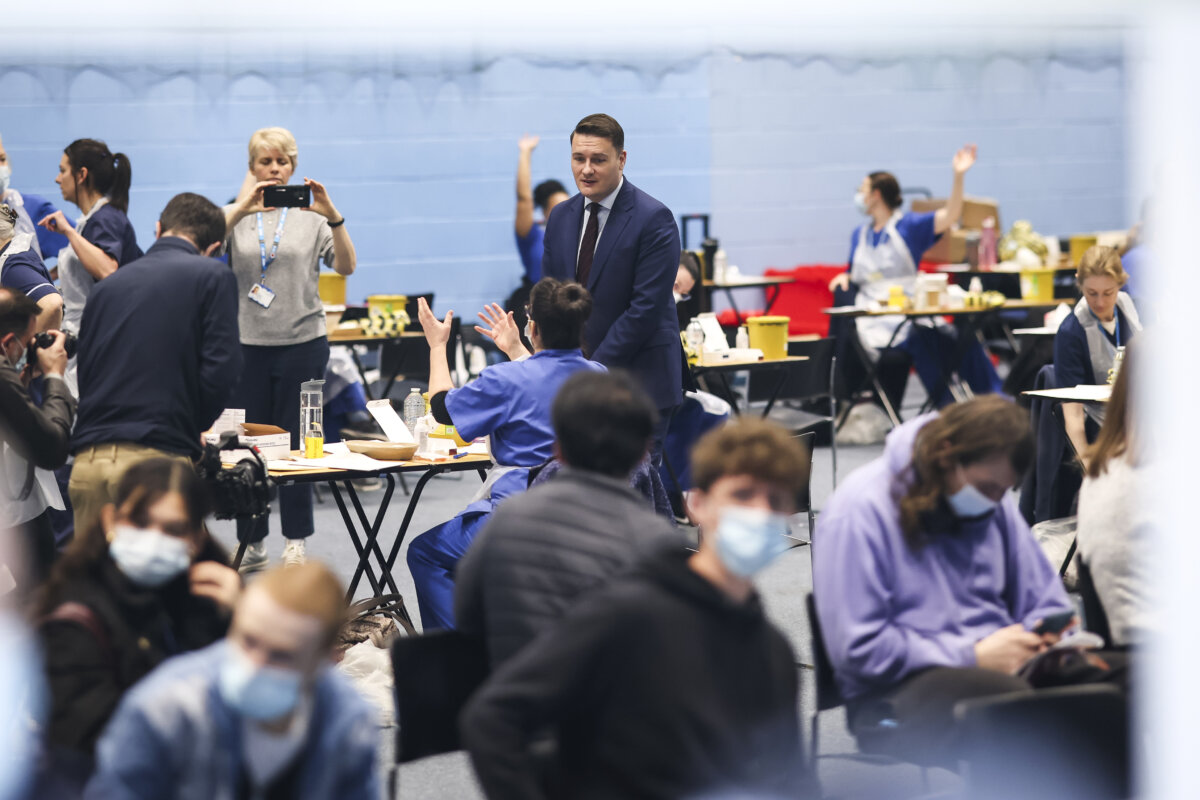
“Results have confirmed that the Bexsero vaccine currently being offered in Kent should provide protection against the strain identified,” the UKHSA said.
The Bexsero meningitis B vaccine, made by GlaxoSmithKline, is given for the prevention of disease caused by group B bacteria.
It has been recommended for infants since 2015, meaning that a number of students in Kent may not have been vaccinated, officials say.
Julietee Kenny, who died at age 18 on March 14 from meningitis, was not vaccinated, family members said. Relatives said they were not sure if the vaccine would have saved Kenny’s life, but they want others to have access to it, according to the UK charity Meningitis Research Foundation.
The family said that it is not granting interviews and would like to grieve in private.
 Friends Read Free
Copy
Facebook
Tweet
Friends Read Free
Copy
Facebook
Tweet