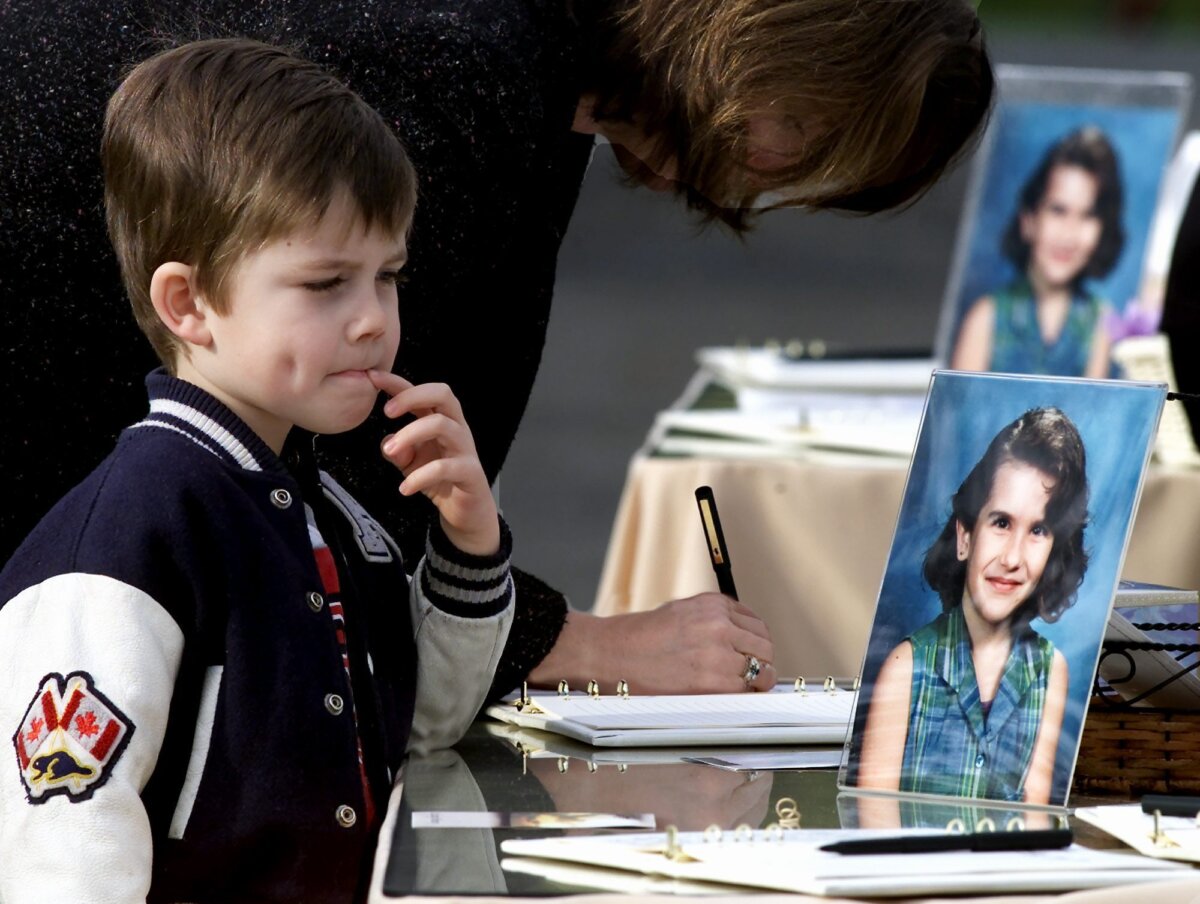
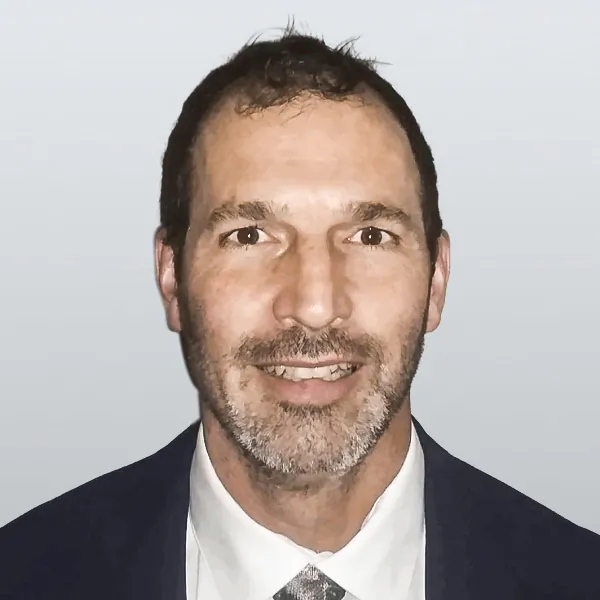
METCHOSIN, B.C.—The mother of a 10-year-old girl who was murdered by convicted child killer Shane Ertmoed says she is devastated after a Parole Board of Canada granted him unescorted short-term releases into the community.
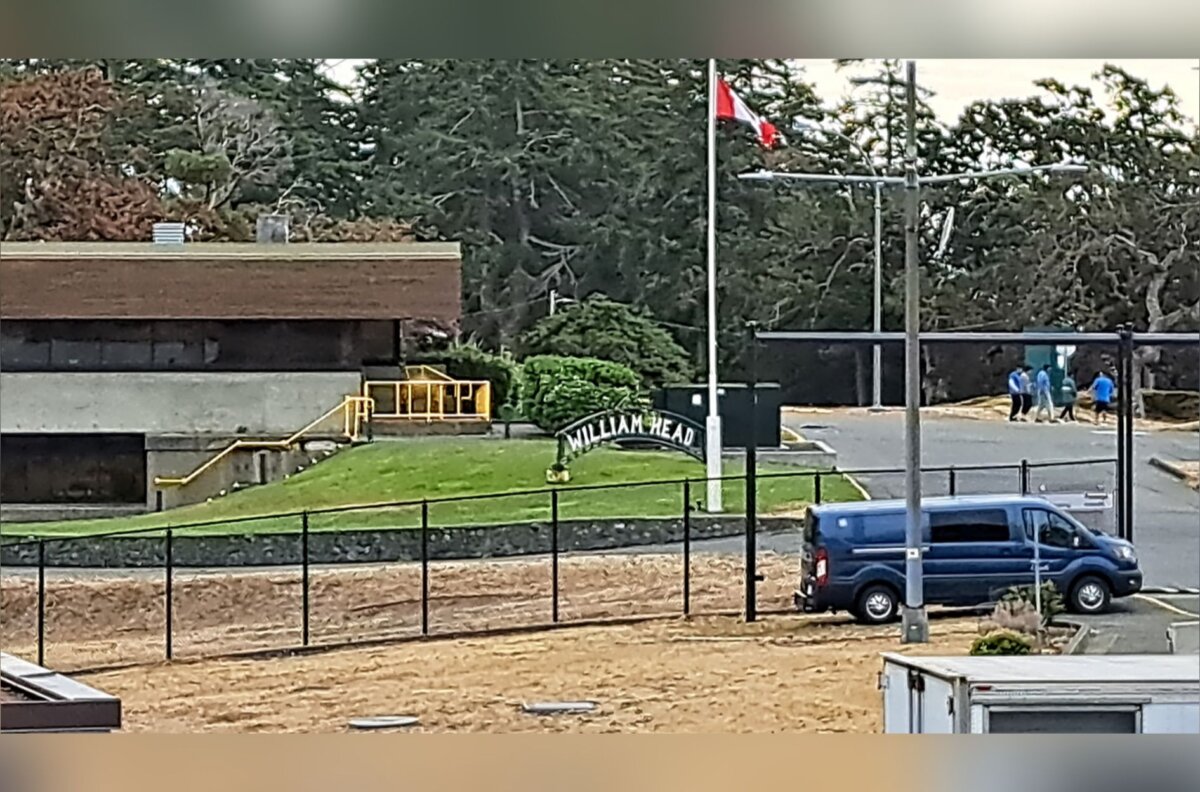
Ertmoed, who was convicted in the 2000 murder of Heather Thomas, was granted unescorted temporary absences (UTAs) subject to certain restrictions by a federal parole board panel on Sept. 2. Following a hearing at the William Head Institution, a minimum security prison located south of Victoria, B.C., the panel concluded his community release plan sufficiently addressed concerns about managing his risk to the public.
The decision left Thomas’s mother, Jody Aspin, in tears.
“I am absolutely disgusted,” Aspin told The Epoch Times after the proceedings. “They’ve now endangered other people’s children.”
Ertmoed’s case management team (CMT) representative advised against the panel granting UTAs, saying the inmate still hasn’t overcome his sexual fantasies about children, and hasn’t disclosed all of his episodes, including one that happened the night before his hearing.
Aspin says she doesn’t understand the panel’s reasoning.
“I’m at a loss for words,” she said. “It’s like my daughter’s life didn’t matter.”
Ertmoed was convicted of first-degree murder in Heather’s death and was sentenced to life in prison with no possibility of parole for 25 years in 2002.
The girl vanished on Oct. 1, 2000, while playing near her father’s apartment complex in Surrey, B.C. She was abducted and taken to Ertmoed’s townhouse, where she was sexually assaulted and strangled to death.
Heather’s disappearance sparked a massive search, particularly with volunteers from the area, but also with people from around Greater Vancouver. Her body was found one month later floating in shallow water in Alouette Lake within Golden Ears Provincial Park, 40 kilometres east of Vancouver.
The court heard Ertmoed had transported the girl in a hockey bag and left her in the bushes before returning the following day to dump her body into the lake.
Ertmoed’s trial lasted more than three months, where he had pleaded not guilty despite admitting the murder to police after his arrest.
At his sentencing, Ertmoed argued his confession was given under duress, saying, “justice was not served today,” and, “all that happened today was a fundamental miscarriage of justice.”
However, at a parole hearing in January 2025, Ertmoed told the parole board he was guilty, and that after he turned 13-years old, his attraction to girls didn’t elevate as he aged, and he continued to focus on those younger than him. He said this explained why he was arrested in 1998, when he was 19, for sexually assaulting a seven-year-old girl.
He was not charged and briefly saw a counsellor before discontinuing the sessions, which he described as “one of the biggest regrets of my life.” The board denied his requests for day parole and unescorted temporary absences at the hearing.
Parole Board Decision
When announcing its decision on Sept. 2, the parole board told Ertmoed his release plan “has the structure for you to be part of the community.”
“You’ve laid out your goals for employment and more importantly, to risk management issues. For that, UTA is desirable and will assist you in your rehabilitation,” the board said.
The parole board’s decision was influenced by Ertmoed’s decision to begin taking the hormone-suppressing drug Lupron. After assessing his risk of reoffending as ranging from “average to moderate,” the board said Lupron would reduce that risk, although it continued to have reservations.
Ertmoed will move into the Salvation Army Victoria Addictions and Rehabilitation Centre in Victoria. There, he will work in the kitchen, and he said he will continue his education toward becoming certified as a plumber.
He argued the UTAs will allow him to stay busy rather than deal with challenges and triggers stemming from loneliness, boredom, and complacency, and said he will perform volunteer work, personal exercise, attend church, and spend time keeping a journal of his recovery.
The panel questioned Ertmoed about a psychiatric assessment conducted roughly two years earlier that identified sadism as one of his personality traits. Ertmoed said he was stunned by the characterization, claiming he had never associated violence with any of his fantasies.
When the panel asked Ertmoed to identify the greatest obstacles or challenges he anticipated if granted UTAs, he struggled to formulate an answer. The panel followed up by asking, “You’re not concerned with your own risk to sexual gratification or other areas?”
Ertmoed conceded he has been dealing with inappropriate thoughts, deviant fantasies, and self-gratification risks since puberty. He said he has become more aware of when to use coping mechanisms learned through counselling over the past 11 months to manage these thoughts before they escalate.
“I know I’m a work in progress,” he told the panel. “But my goal is to never offend again.”
Ertmoed had been granted Escorted Temporary Absences (ETAs) since 2021, allowing him to perform community service. His record of roughly 100 ETAs without incident was reported at his hearing when he applied for day parole and UTAs in 2025.
Victim Impacts

In a victim impact statement, Aspin described how she has struggled with depression since the murder, and has also attempted suicide. “My daughter was his victim, just as I am,” she said.
“I am a shell of the person I was. I used to get up with two children, walk them to school, be a volunteer parent at their school, and love every minute of my life. Now, I can’t be around others. I have one child I can talk to, and another I visit in a cemetery.”
After the decision was read, Aspin began crying and left the room while the panel was still outlining its decision and reasons.
Thomas’s best friend at the time of her murder, Katherine Charette, also attended the hearing, telling The Epoch Times, “I’m here because Ertmoed should stay in prison. He took a life and doesn’t deserve to have a life outside of prison. Twenty-six years hasn’t made it easier. In fact, it’s made it worse.”
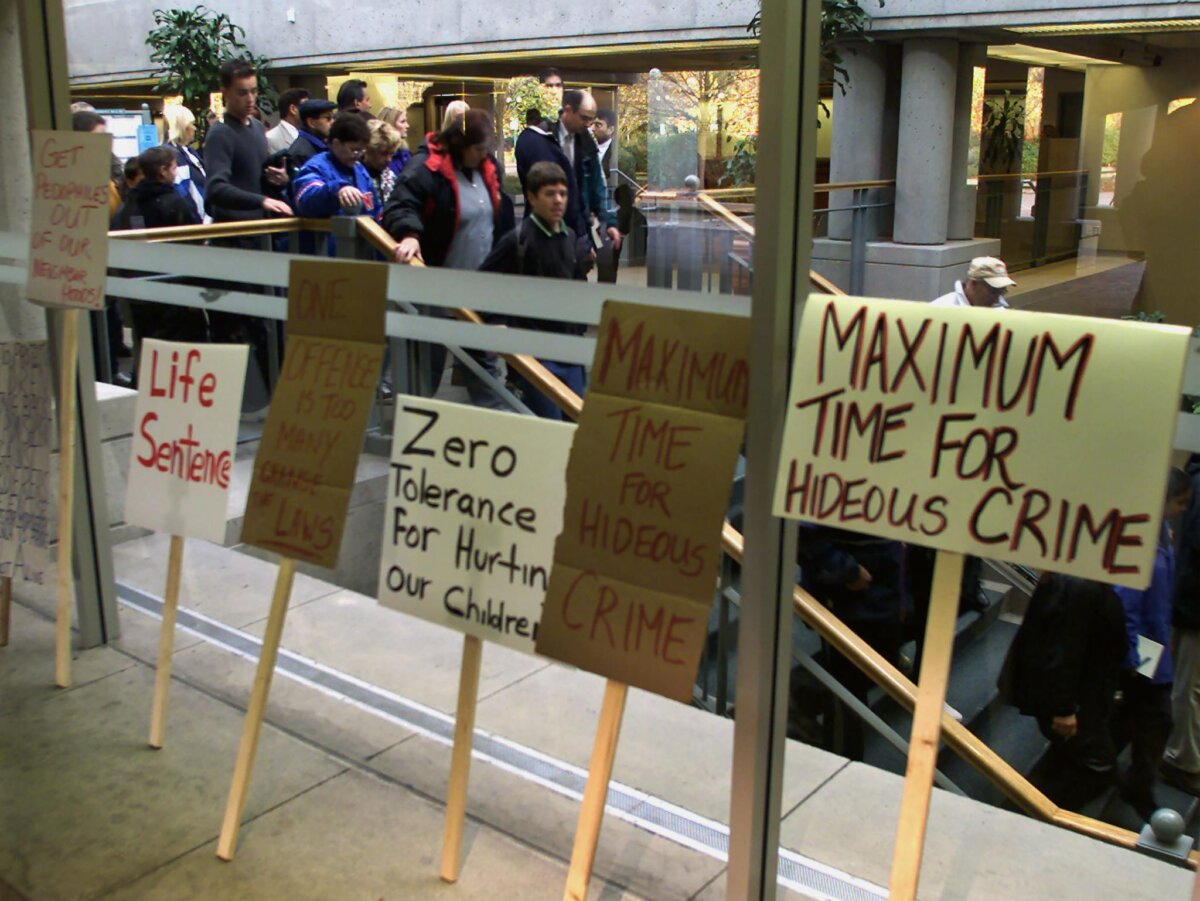
The case sparked national attention at the time, including a call from America’s Most Wanted asking the RCMP if they wanted the television show to profile the case, according to a former police officer who worked on the case and later published a blog about it.
Locally, parents were worried for their own children when Heather’s killer remained unknown. Later, some said the trauma they experienced at the time forever changed the way they parented.
Lori Vidler is one of those mothers who still lives in the Cloverdale neighbourhood where Heather was murdered. She says she hasn’t forgotten the horror surrounding her disappearance and the eventual arrest of Ertmoed.
Vidler had a 12-year old daughter at the time, and recalls how the entire community went into a state of panic.
“Everybody that had a child, particularly a daughter, I think they could picture their child’s face on this sweet, little girl [Heather],” Vidler told The Epoch Times. “We all grieved, particularly the mothers that talked. We were just grieving, it was such a huge loss. And again, fear for years, and still there’s fear, because that reminded us how very close it was.”
Vidler said she was convinced Ertmoed wouldn’t ever be allowed to re-enter society, and said he should not be given the chance.
“I believe crimes of this type, that there should be no discussion. He should not even be given the opportunity of going up for parole,” she said. “He should not even be here. When it involves children, especially of this nature … it angers me that he’s even having a hearing.”
 Friends Read Free
Copy
Facebook
Tweet
Friends Read Free
Copy
Facebook
Tweet