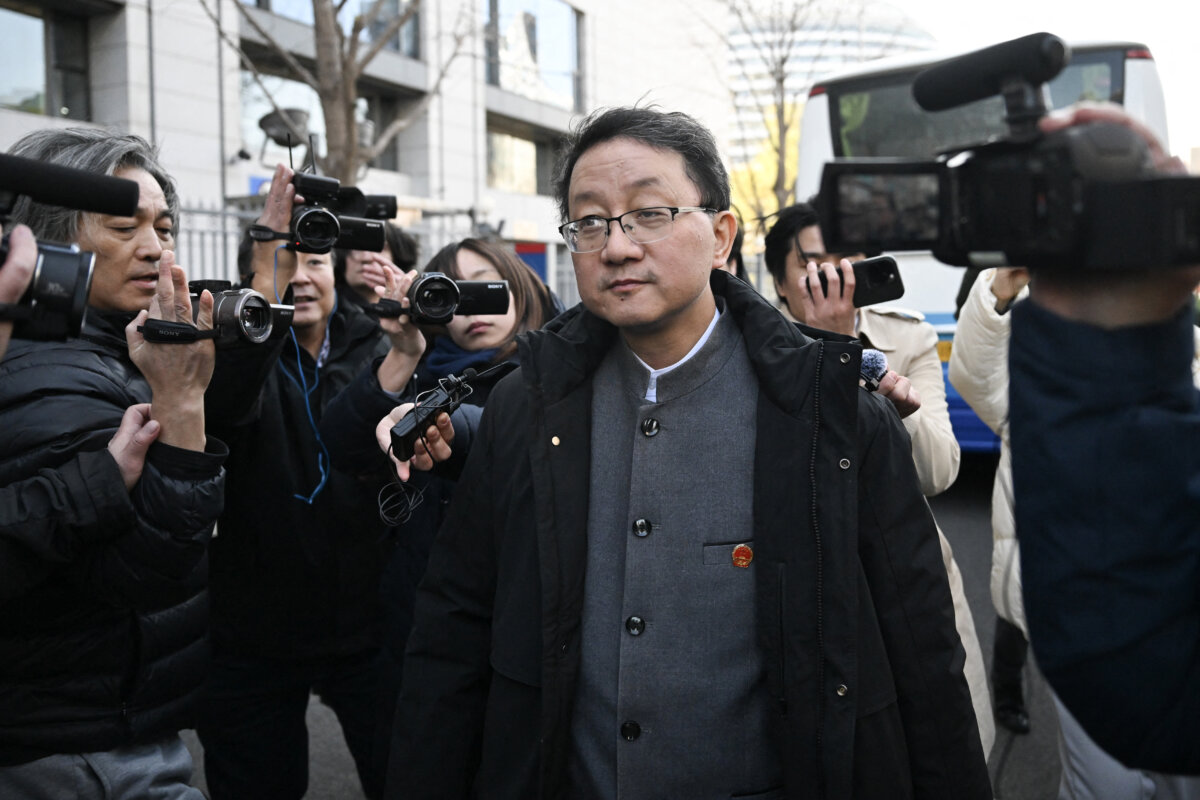

Beijing’s new ambassador to Australia, Liu Jinsong, has arrived in the country, declaring himself a representative of Chinese Communist Party (CCP) Leader Xi Jinping.
Liu, 54, takes over from former ambassador Xiao Qian, who left Australia in July.
In a statement, Liu said Australia and China had no fundamental conflicts of interest or historical grievances and that there were promising prospects for cooperation between the two countries.
He also urged Australia to “respect” Beijing’s core interests and major concerns, saying the two sides should “strive to expand the cake of mutual benefit and win-win outcomes” and “increase positive value for each other.”
While praising Xi’s leadership in steering China-Australia relations, Liu described himself as Xi’s representative and vowed to fulfil his diplomatic duties and defend the interests of the CCP.
Upon arrival in Australia on Aug. 24, the new ambassador was met at the airport by Consul General of China in Sydney Wang Yu, representatives of Chinese enterprises and Australian officials.
‘Hands-in-Pockets’ Diplomatic Controversy
Prior to becoming China’s ambassador to Australia, Liu served as director-general of the Chinese Foreign Ministry’s Department of Asian Affairs from July 2021.
In November 2025, Liu was involved in a diplomatic controversy after reportedly treating his Japanese counterpart in a “disrespectful” manner.
After the meeting with Masaaki Kanai, director-general of Japan’s Asian and Oceanian Affairs Bureau, footage showed Liu with both hands in his pockets while speaking to Kanai, who appeared to have his head bowed.
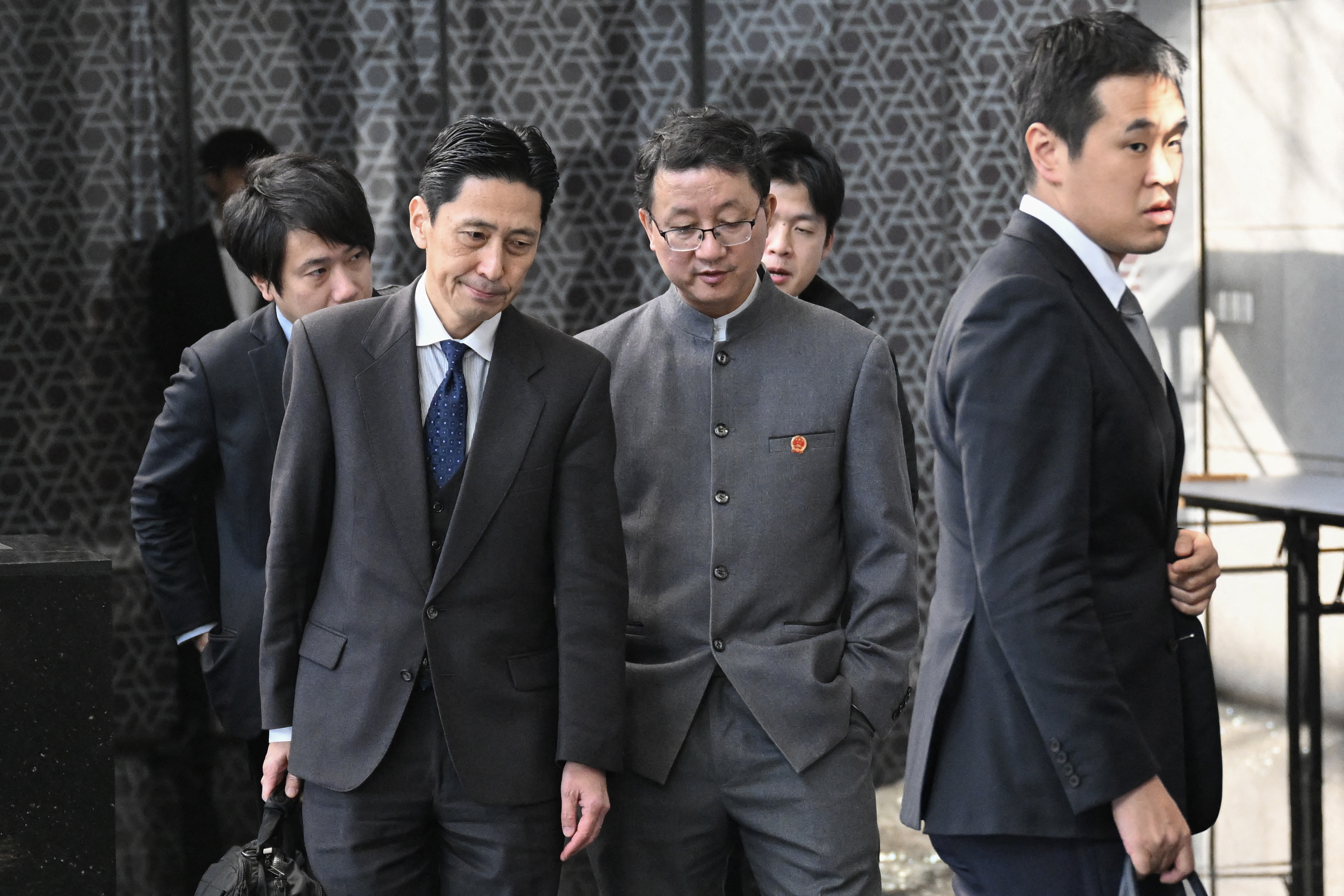 Japanese Director-General of the Foreign Ministry’s Asian and Oceanian Affairs Bureau Masaaki Kanai (L) and Chinese Director-General of the Department of Asian Affairs Liu Jinsong (C) depart after a meeting in Beijing, China, on Nov. 18, 2025. (Pedro Pardo/AFP via Getty Images)
Japan later lodged a complaint with Beijing over the uncoordinated media arrangements following the meeting.
Liu was replaced as head of the department in July 2026, with Shen Minjuan, previously China’s ambassador to Mongolia, appointed to the position.
Increased Tension in the Pacific
Liu’s appointment comes amid heightened regional tensions following Beijing’s recent military activities in the Pacific.
In July, a Chinese People’s Liberation Army Navy (PLAN) submarine launched a ballistic missile from the South China Sea, which travelled about 6,300 kilometres before landing in the Pacific south-east of Nauru.
The action drew condemnation from Australia, the United States, Japan and countries across the Pacific, with Australian Prime Minister Anthony Albanese saying the test was a “provocative act” that destabilised the region.
Meanwhile, Chinese Foreign Ministry spokesperson Mao Ning defending the launch, saying it was carried out “safely, in a standardised and professional manner throughout.”
 Friends Read Free
Copy
Facebook
Tweet
Friends Read Free
Copy
Facebook
Tweet