
New Zealand and Singapore signed an agreement on May 4 to keep supply chains open in times of crisis, as global energy supplies remain disrupted by the Iran war.
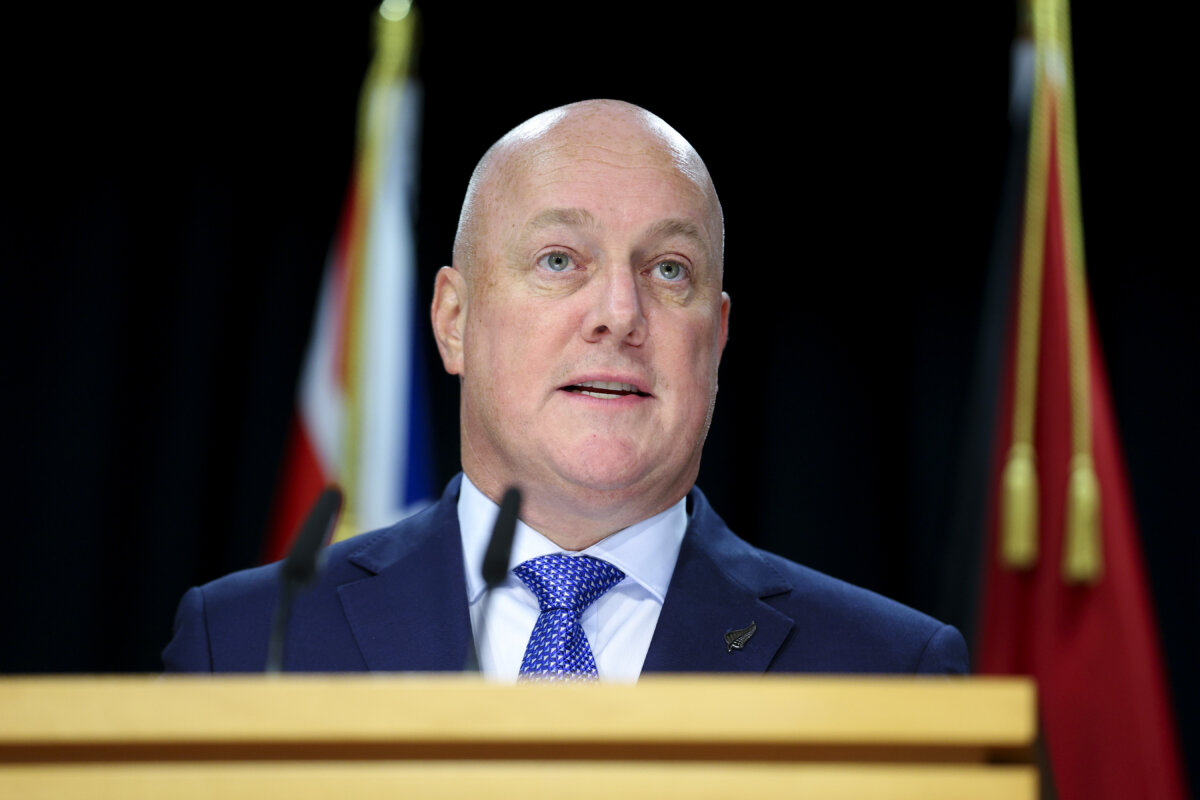
Singaporean Prime Minister Lawrence Wong and his New Zealand counterpart, Prime Minister Christopher Luxon, witnessed the signing of the Agreement on Trade in Essential Supplies (AOTES), which the Singaporean Ministry of Foreign Affairs described in a statement as “the world’s first legally-binding bilateral supply chain resilience agreement.”
“It underscores Singapore’s and New Zealand’s commitment to facilitate bilateral trade flows even in times of supply chain disruptions,” the ministry said.
The AOTES ensures that neither country imposes unnecessary export restrictions on a list of agreed essential items, including food, fuel, chemicals, construction, and health care products.
The signing took place after the inaugural Singapore–New Zealand Annual Leaders’ Meeting in Singapore.
Luxon said that the past few months “have shown we live in a volatile world” and that the AOTES allows the two nations to work together as partners.
“In times of crisis, we know we can rely on each other,” Luxon said, according to a statement from the New Zealand government.
Negotiations regarding the agreement concluded during Wong’s visit to New Zealand in October 2025, before the United States and Israel launched their military operations against the Iranian regime, which triggered Tehran’s blockage of the Strait of Hormuz that precipitated the global shipping crisis.
A Global First
The signing of the bilateral agreement is key because one-third of New Zealand’s oil is refined in Singapore.
New Zealand Trade and Investment Minister Todd McClay, who signed the AOTES, said the agreement aims to reduce the risk of supply‑chain disruption.
“It is built on cooperation forged during the COVID‑19 pandemic and recognizes that reliable access to essential goods is most critical during times of crisis,” McClay said.
“This Agreement is a world first and the latest example of our shared commitment to keeping fuel, food, medicines, and other critical goods moving when they are needed most.”
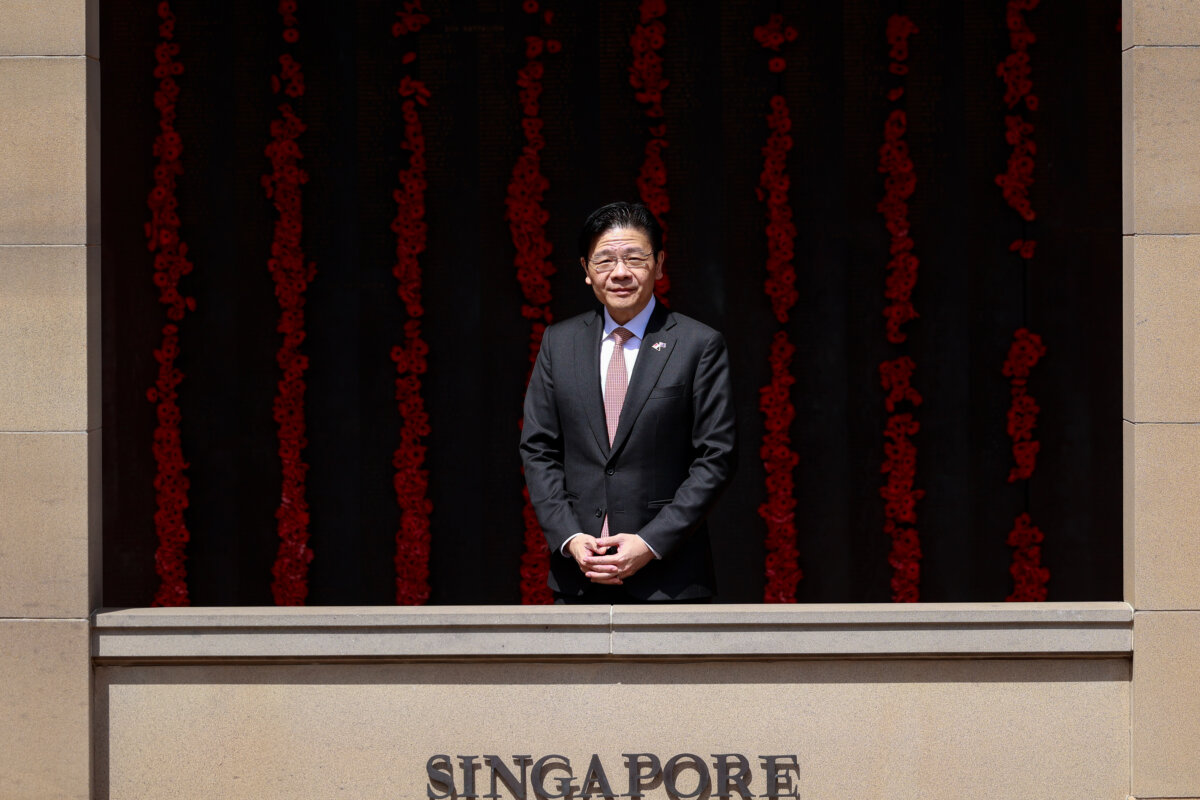
Both Auckland and Singapore have stated that they hope the arrangement serves as a model for other potential partnerships with like-minded countries.
“The agreement that we’ve just signed today, as a world first, is actually a good example of how we can model out and remake the case for multilateralism in the way we want to as well,” Luxon said.
Reuters contributed to this report.
 Friends Read Free
Copy
Facebook
Tweet
Friends Read Free
Copy
Facebook
Tweet