
The ACT Party has called for New Zealand to reconsider its commitments under the Paris Climate Accord, or withdraw from it entirely, as U.S. President Donald Trump did in 2017.
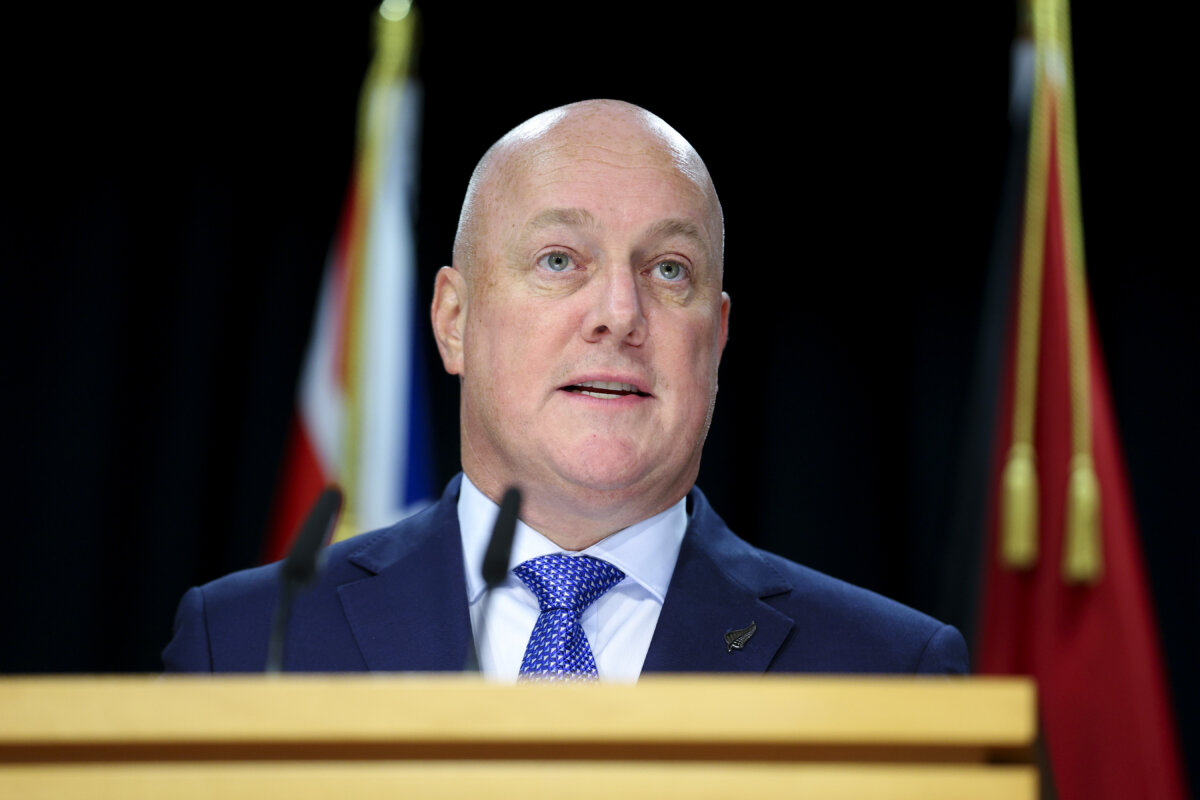
However, Prime Minister Christopher Luxon has ruled out either option, saying planned changes are sufficient and leaving the accord would hurt farmers.
The Paris agreement commits countries to climate action plans designed to keep global warming below 2 degrees Celsius compared with pre-industrial levels.
ACT leader David Seymour argues the accord is “broken” and New Zealand’s emission targets are unrealistic.
“Everyone wants to go to heaven, but nobody wants to die,” Seymour said.
“For so long, our mighty hydro lakes and geothermal wells let New Zealanders have it both ways. We could go to heaven for having low emissions, but we didn’t have to die by having the lights go out. That golden age is over.
“A small trading nation can’t ignore climate policy, but overdoing it will backfire, sending New Zealand farming and industry overseas, where they emit even more.”
Luxon rejected that, saying, “We’re not leaving Paris. It would only damage and punish our farmers.”
New Zealand signed the accord in 2016 under the National-led government. New Zealand First, now in coalition with ACT and National, has also expressed scepticism about the pact.
Seymour said net zero targets ignore the real costs to “firms, farms, and families” and would push farmers off their land.
“The Paris Agreement demands targets that are disconnected from science and blind to New Zealand’s realities,” he said.
“New Zealand should remain engaged with our trading partners, but only on terms that make sense for us. That means pushing for fundamental reform of the Paris framework.”
He said ACT wants agriculture exempt from emissions pricing and to set “more realistic” targets, though offered no details on the reforms.
Luxon countered that competitor countries would gladly replace New Zealand exports if standards were weakened.
“Having worked in large multinationals, they would just move to another supplier anyway,” Luxon said.
He noted agriculture had already been taken out of the Emissions Trading Scheme, with the coalition scrapping plans to include it by 2025. Instead, a new “fair and sustainable” pricing system is promised for 2030.
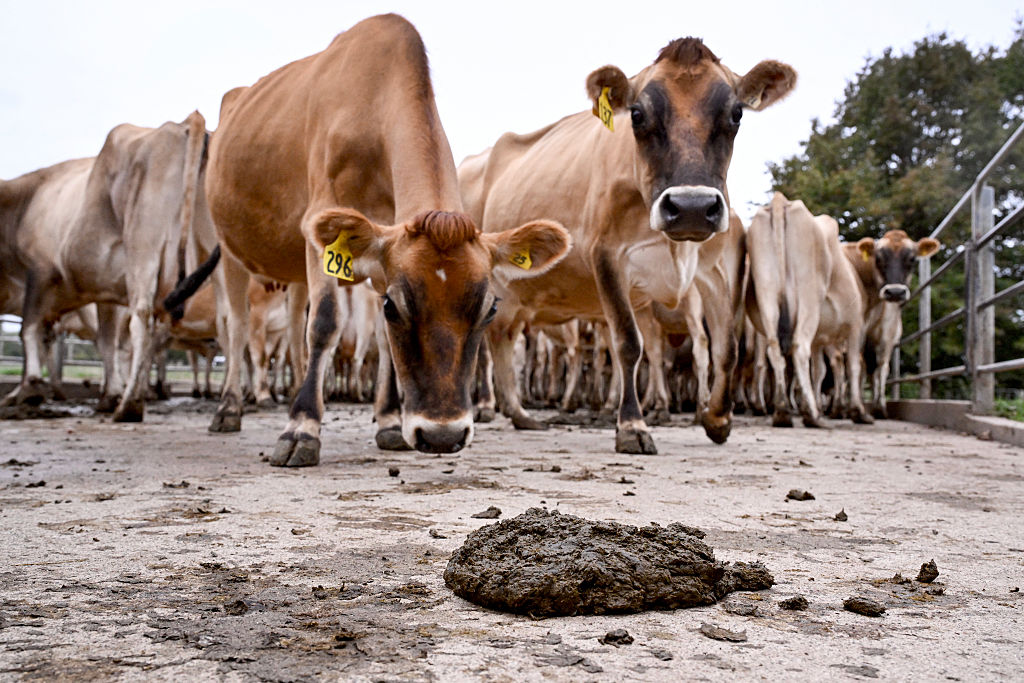
Methane, mostly from livestock, makes up about 40 percent of New Zealand’s emissions. Unlike carbon dioxide, it breaks down within a decade, making it both a powerful greenhouse gas, and one that can be reduced more quickly.
Cutting herd numbers lowers methane but also slashes milk production, which underpins farmers’ incomes and the wider economy. The idea is strongly opposed by the farming community.
Instead of aiming for net zero methane, the government is considering a target to keep its warming effect steady at 2017 levels.
A science panel last year found cuts of 14 to 24 percent by 2050 would be enough to hold methane’s heating effect steady.
Current law requires a 24 to 47 percent cut, but Luxon suggested a lower target may soon be announced.
 Friends Read Free
Copy
Facebook
Tweet
Friends Read Free
Copy
Facebook
Tweet