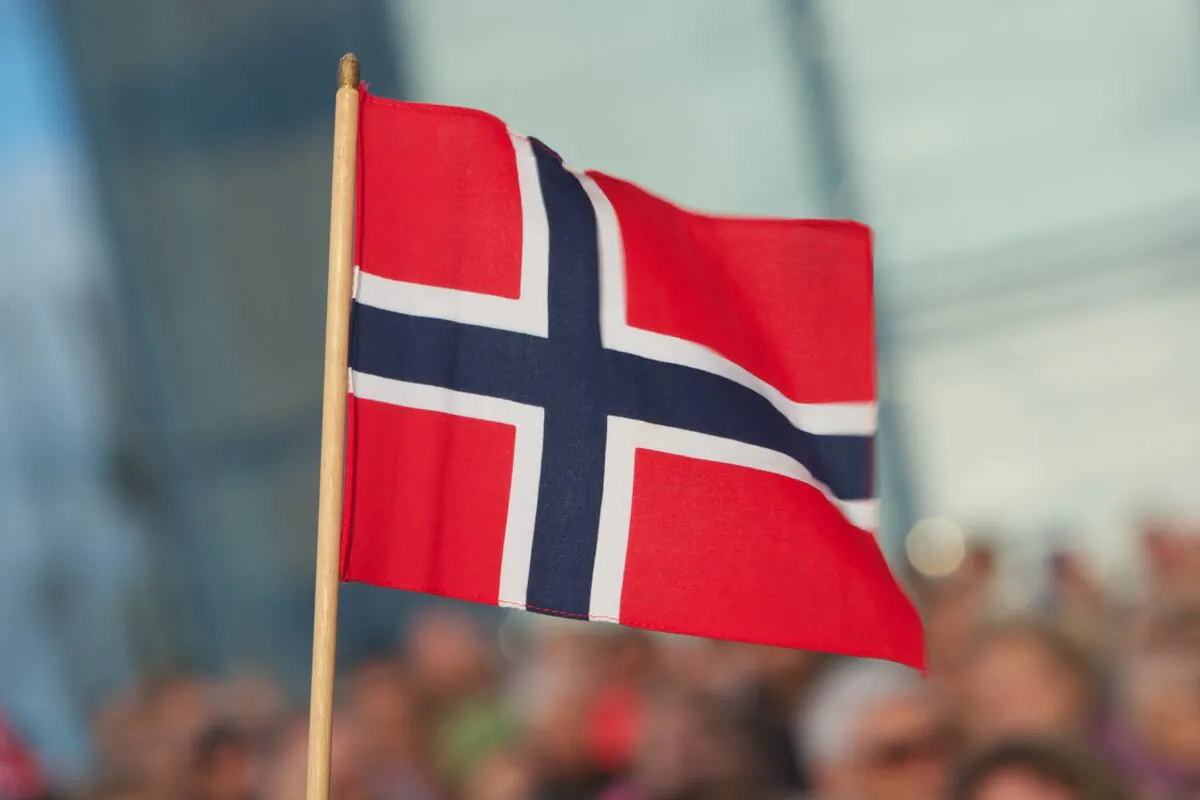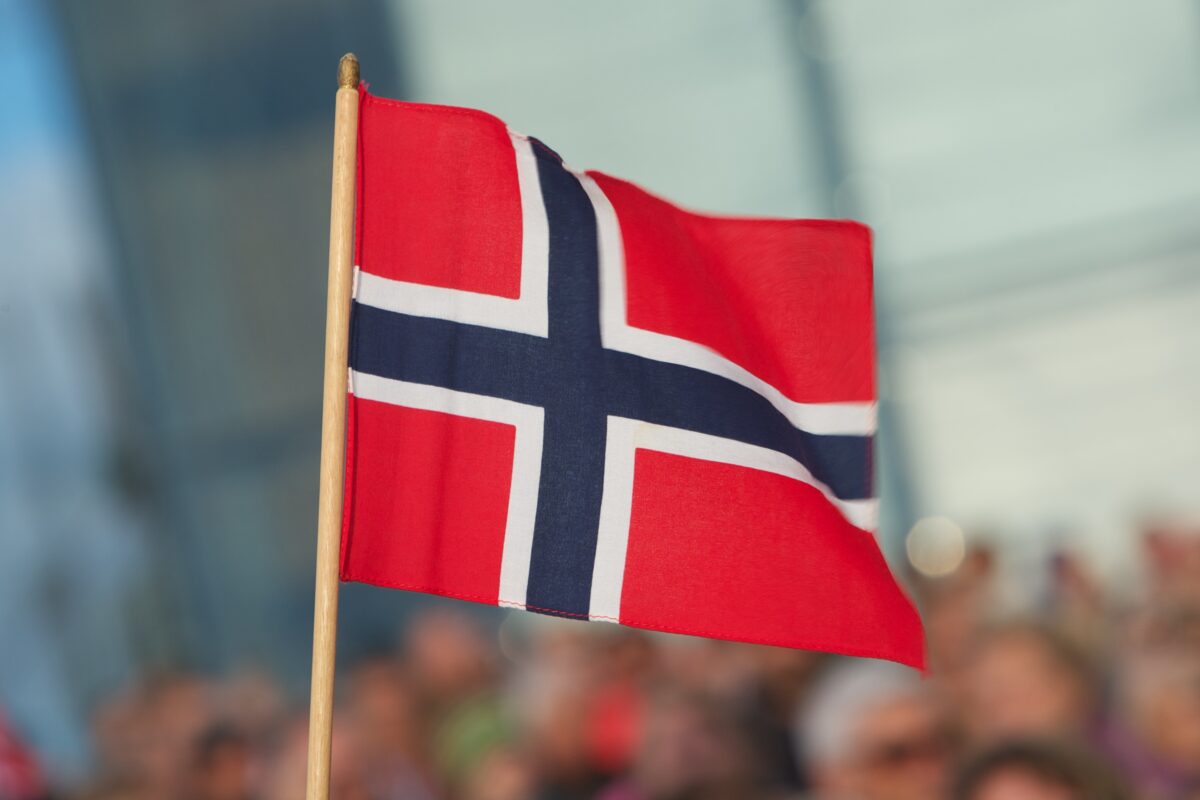

Norway has joined the European Union’s Baltic Sea cooperation agreement, amid increased security concerns in the region following the start of the Russia–Ukraine war.
The EU Strategy for the Baltic Sea Region (EUSBSR) said in a statement on May 18 that Norway had become the ninth member of the agreement, with the body saying that its membership will see Oslo address shared territorial issues including civil security and resilience.
Norwegian Foreign Minister Espen Barth Eide said membership “will strengthen Norway’s cooperation with the EU in a region that has become central to European and Norwegian security.”
He added that joining the group provides new opportunities for Oslo to collaborate in areas such as maritime cooperation, surveillance, and security.
Norway will join Denmark, Estonia, Finland, Germany, Latvia, Lithuania, Poland, and Sweden in the EUSBSR. Norway is not part of the EU.
The EUSBSR was established in 2009 to strengthen cooperation with countries in the region on common challenges and its objectives include ensuring safe shipping and maintaining reliable energy markets in the Baltic Sea area.
Since Russia invaded eastern Ukraine in 2022, the Baltic Sea region has been on high alert following several power cable, telecom link, and gas pipeline outages.
In November 2025, during the process of joining EUSBSR, Barth Eide said that his country’s strategic perspective in the Baltic Sea region “has become increasingly important for Norway in recent years not least due to the challenging security situation as a result of Russia’s aggression against Ukraine and its use of hybrid measures.”
Russia
In a blog post for the London School of Economics and Political Science (LSE) from February, academics said the security threat posed by Russia—which shares a land border with Norway—shows Oslo needs to get more involved in northern Europe’s security.
Authors Stefan Gänzle and Marco Pietro D’Attoma, professors at the University of Agder in Norway, wrote in the LSE blog that Baltic regional cooperation has meant that issues like “hybrid threats, undersea infrastructure sabotage, and energy security now sit alongside environmental protection as core regional concerns.”
Gänzle and D’Attoma said that since the Cold War ended with the dissolution of the Soviet Union in 1991, the perceived strategic importance of Baltic Sea region lessened over time, but now “that time is gone.”
“Russia’s full-scale invasion of Ukraine and Donald Trump’s diplomatic pressure on Greenland have thrust the “Wider North” globally, and the Baltic Sea area regionally, back into the geopolitical spotlight,” they wrote.
“What was once a largely cooperative maritime space has rapidly become a frontline region (again) for deterrence focusing on the protection of critical infrastructure and shipping routes threatened by Russia’s shadow fleet.”
Reuters contributed to this report.
 Friends Read Free
Copy
Facebook
Tweet
Friends Read Free
Copy
Facebook
Tweet