
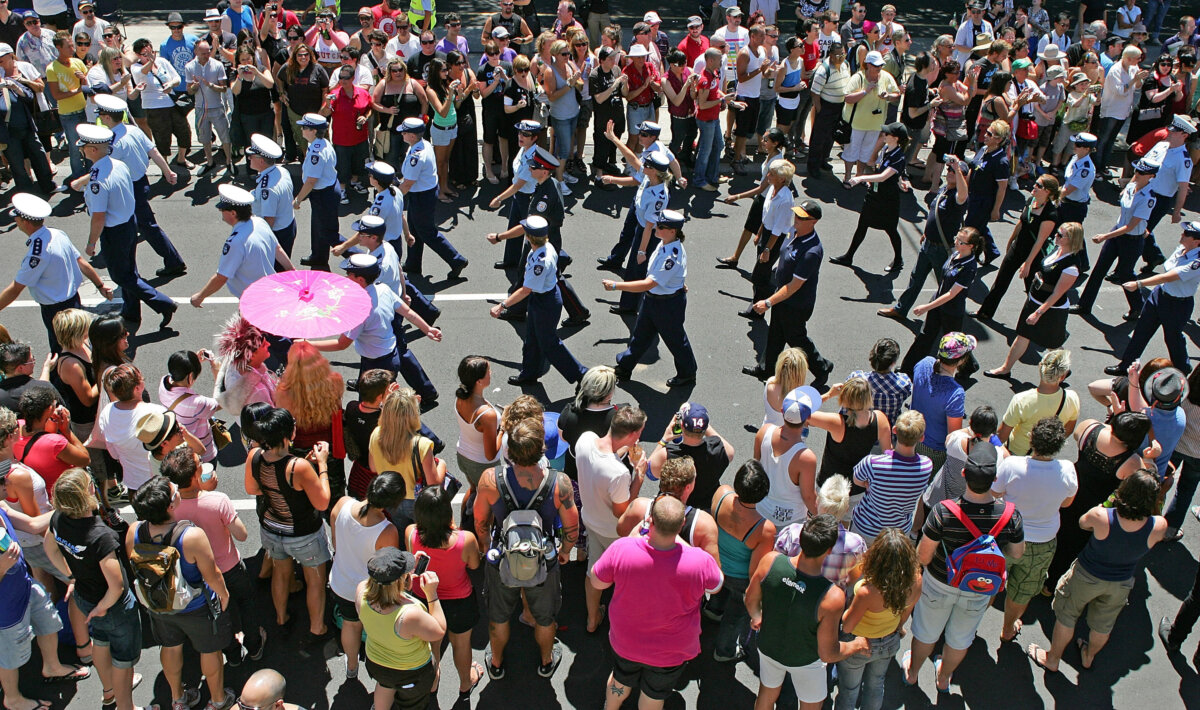
Mardi Gras organisers and New South Wales Police have reached an agreement allowing officers to march in this year’s parade, but with a caveat—they are to only attend out of uniform.
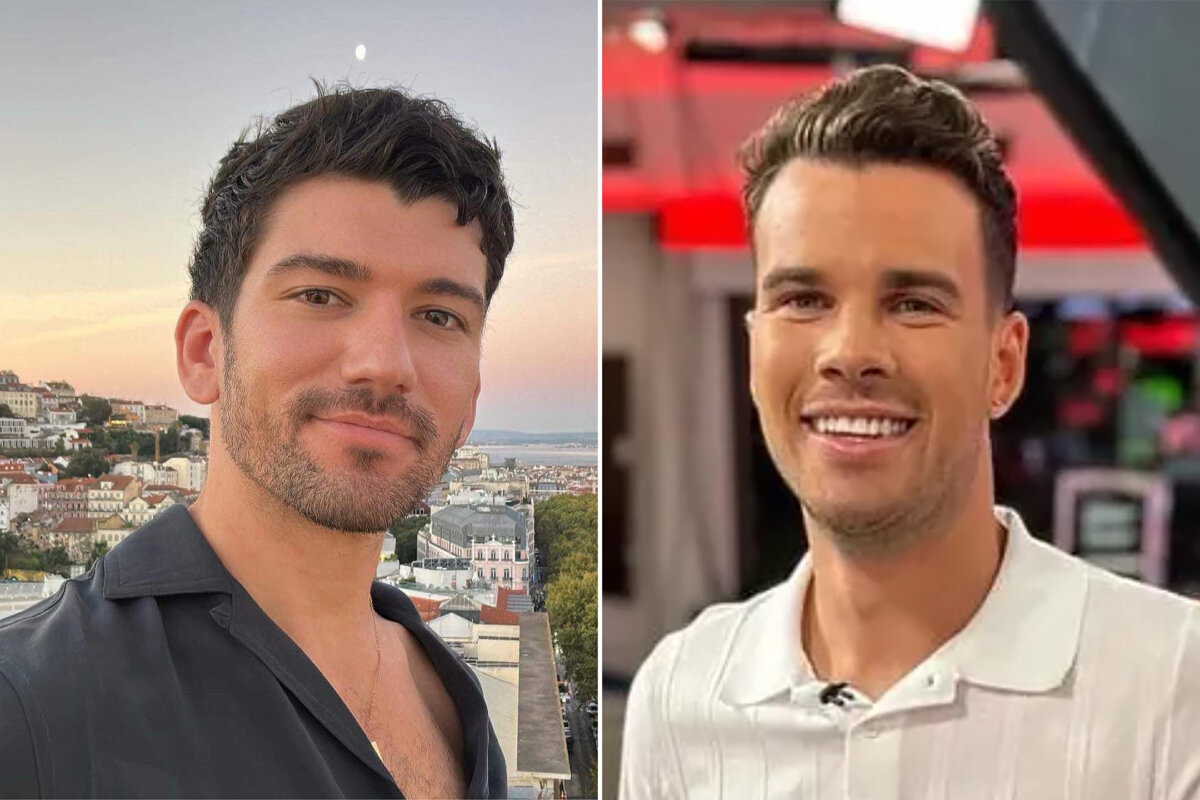
Debate about police presence at the Mardi Gras parade intensified when their invitation to march was revoked following the arrest of Senior Constable Beau Lamarre-Condon, 28, for the alleged murders of Jesse Baird, 26, and his boyfriend Luke Davies, 29.
NSW Police Commissioner met with Mardi Gras organisers several times, urging them to let police march in the 2024 Parade.
“Police have agreed not to march in uniform, in consideration of current sensitivities,” she concluded in a statement.
“I am delighted that our LGBTQIA+ officers, as well as our other police who are allies and supporters, will be allowed to march this year as they have done for the past 20 years,” she said.
The parade is set for March 2 along Oxford Street in Darlinghurst, Sydney’s inner east, close to where the murders occurred at Mr. Baird’s home in Paddington.
The Mardi Gras board released a statement on Feb. 28 saying that, as a result of discussions, an agreement was reached for officers in the LGBT community to participate in this year’s parade, but in a reduced capacity to the originally planned NSW Police float.
This decision came after the Board earlier this week announced their request for NSW Police not to march.
“Having the NSW Police march this year could add to the distress within our communities, already deeply affected by recent events,” a statement from the Board said on Feb. 26.
It said the community needs space to grieve the loss of Jesse and Luke, who would have been celebrating at the festival if not for this tragedy.
“In recent days many have voiced their concerns to us, particularly regarding feelings of unease at the Parade,” the statement reads.
“Their concerns centre on whether it can still be a space to protest, celebrate, and advocate for equality, as well as to honour and grieve for those we’ve lost, given the NSW Police’s participation in this year’s event.”
Meanwhile, Australian Federal Police (AFP) officers have chosen not to march.
“This decision was not taken lightly, but we acknowledge how some in the community are feeling about the blue uniform,” an AFP spokesperson said in a statement.
‘Salt on Open Wounds,’ Says Activist
Charlie Murphy, a spokeswoman for Pride in Protest, a Sydney-based collective of activists, described police marching at Mardi Gras as “salt on open wounds.”
Pride in Protest, which campaigns for queer rights, refugee rights, and Indigenous justice, has since initiated a fiery call to action with a rally at Taylor Square in Sydney on March 8, demanding the removal of police from Mardi Gras, whether undercover or in uniform.
“After media pressure from NSW Police and state & federal govt., Mardi Gras backflipped on their decision to disinvite police, allowing police to march without uniform. This is a disgraceful betrayal to the queer community, being told they were going to be safe from potential killer cops at the parade,” the Rally invitation on Facebook read.
“Disarm and defund the NSW Police—no to guns, no to sniffers, no to undercovers,” it said.
Despite the rally’s attendance outlook of 28 people, it sparked significant criticism.
“Your views about cops are in the extreme minority. Overwhelmingly the LGBT community supports the police and [are] very glad they will now be part of the parade,” one person wrote.
Several MPs have echoed this sentiment, stating that police should be allowed to participate in the Mardi Gras parade.
MPs Support Police Participation
NSW Premier Chris Minns noted significant progress in the relationship between NSW Police and the LGBT community over the last decade.
“There is an opportunity for NSW Police to March as part of that parade to join their community, the gay community of Sydney, as well as having an acknowledgement for the significant challenges that a gay officer would have gone through, particularly one of long-standing service within the NSW police force, many of them would have faced prejudice as a result of their professional lives, and I think they’d love to march,” he said.
Independent MP Alex Greenwich saw police presence at the march as a chance to close the community and law enforcement divide.
“We need to stand together, and that includes at the Mardi Gras parade,” he said.
He recognised the pain the alleged murders have caused, urging support for LGBT community members to report crimes, violence, and threats to the NSW police.
“And the work the police needs to do to build a bridge with the community,” he said.
Prime Minister Anthony Albanese has also backed police participation in the parade.
He and other MPs are expected to join the march on March 2.
 Friends Read Free
Copy
Facebook
Tweet
Friends Read Free
Copy
Facebook
Tweet