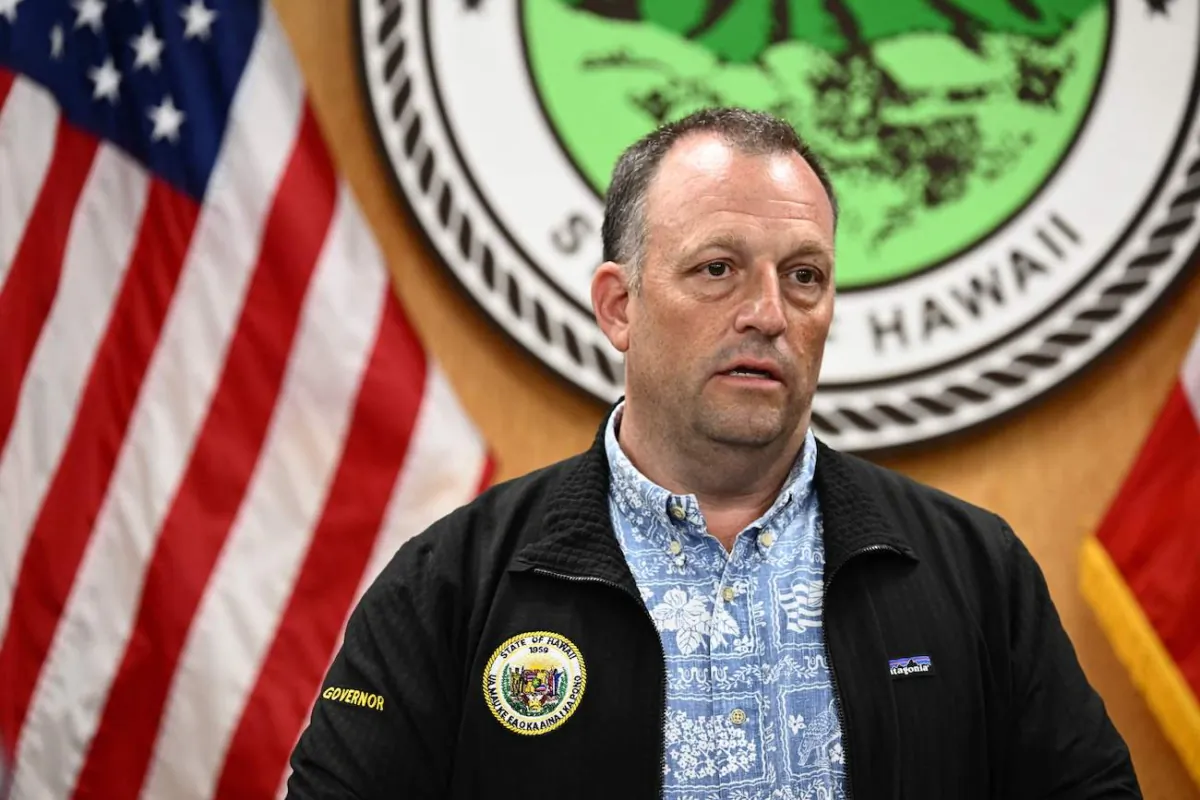

Hawaii Gov. Josh Green signed a statewide emergency proclamation Wednesday to hasten preparations for Hurricane Lowell, Hurricane Karina, Hurricane Marie, and any other storms that may pose a threat to the state.
The order covers every island and allows state and county agencies to move people, equipment, and money faster in communities still recovering from Hurricane Lala, which wreaked havoc through Hawaii in mid-August.
“Our state is still recovering from Lala, and we are not waiting for another storm to get close before preparing,” Green said in a statement. “This proclamation gives our agencies and counties the flexibility to move people, equipment and resources quickly so we can protect communities across every island. We encourage everyone to remain prepared and continue following official weather updates.”
The proclamation activates Hawaii National Guard members and authorizes them to assist civilian authorities with disaster relief.
It also activates the Major Disaster Fund, removing the usual $10 million cap on spending for a single emergency.
State agencies must supply personnel, materials, equipment, and facilities.
Public property can be used for preparation, response, and recovery, while officials may restrict access to utilities and other critical infrastructure.
Rules around procurement, contracting, budgeting, hiring, and permitting have been temporarily eased when they hamper emergency work.
The proclamation does not order evacuations, curfews, or school, business, or government closures. Those actions, if warranted, would be announced separately by state or county authorities.
The emergency relief period started upon Green’s signing of the order and continues until Nov. 1. Green can end the order early or issue a new proclamation.
Pacific Storms
The proclamation states three named systems loom in the Pacific—Hurricane Lowell, Hurricane Karina, and Tropical Storm Marie.
It described Lowell then as a Category 5 hurricane with maximum sustained winds of 160 mph. As of 11 a.m. Wednesday, Lowell was about 445 miles south of Hilo and moving west. The National Weather Service forecast a sharp turn north within days and said the storm could impact the state.
Lala struck Aug. 15–16, with Green’s office saying the storm dropped 20 to 40 inches of rain in certain places, causing flooding, landslides and runoff. Hundreds of homes were damaged or destroyed. Roads and bridges were washed out. About 200,000 energy customers on Hawaii Island, Maui and Oahu lost power.
When Green later asked the White House for a presidential emergency declaration as Tropical Storm Moke approached, roughly 11,290 power customers on Hawaii Island were still without electricity. Restoration in some areas was projected to last into early September.
“Hurricane Lala caused severe damage across our state and placed an extraordinary strain on communities already recovering from previous disasters,” Green said at the time of that federal request.
Hawaii is also still working through a magnitude 6.0 earthquake that struck the Kona region in May.
The rural Kau district was among the hardest hit. Power and communications outages disrupted water systems, medical access, and emergency operations. A slope failure at Naalehu Cemetery disinterred human remains, while a 90-year-old woman found in Naalehu perished during the storm.
Tropical Storm Moke, which formed about a week after Hurricane Lala, passed well south of the Hawaiian Islands, remained below hurricane strength, and never made landfall, but it added to the rain accumulation.
The National Weather Service projected an above-normal five to 13 tropical cyclones in the central Pacific from June 1 through Nov. 30, and 15 to 22 named storms in the eastern Pacific, including nine to 14 hurricanes. An El Niño advisory remains in effect.
Warmer-than-usual sea surface temperatures in the eastern and central Pacific increase the odds of more frequent, stronger cyclones. The National Oceanic and Atmospheric Administration has said strong El Niño conditions are typically linked to elevated activity in the central Pacific, with peak months generally being August and September.
 Friends Read Free
Copy
Facebook
Tweet
Friends Read Free
Copy
Facebook
Tweet