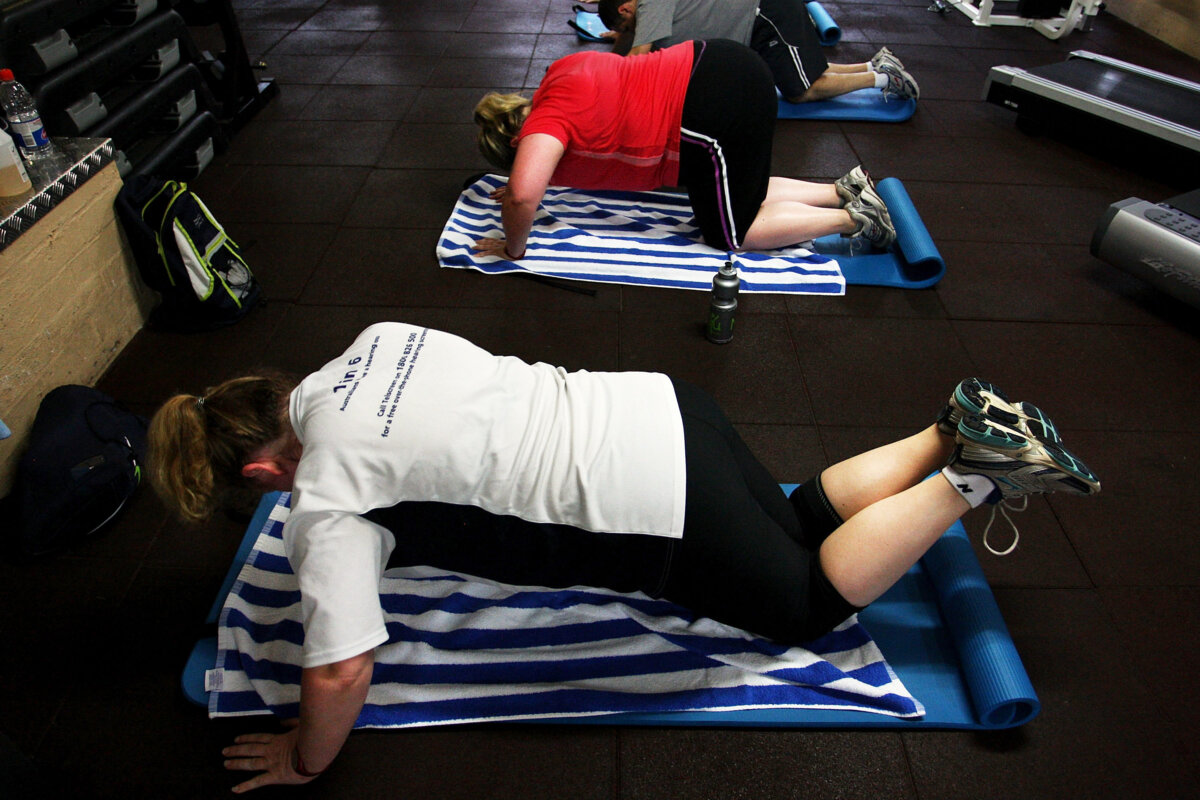

Australia will lose tens of billions of dollars in productivity each year over the next decade due to high obesity rates among the population, a new report has found.
According to a joint study by the McKell Institute and the Menzies Research Centre, two in three Australian adults (67 percent) are now classified as overweight or obese, a significant increase from 56 percent in 1995.
Severe obesity—defined as a Body Mass Index (BMI) over 40—more than doubled from 2.2 percent in 2008 to 4.6 percent in 2023, affecting over one million adults.
In addition, one in four children are overweight or obese, and 80 percent of them go on to be obese adults.
Obesity now accounts for 8.3 percent of Australia’s total disease burden, contributing to over half of type 2 diabetes cases and being linked to cardiovascular disease, at least 13 types of cancer, and mental health issues like depression.
A recent study published in the journal BMC Medicine also revealed that deaths from obesity-linked heart disease are now rising fastest among younger Australians.
Economic Cost of Obesity
The report (pdf)—commissioned by Novo Nordisk, the maker of weight-loss drug Ozempic—said obesity was already costing the nation roughly $39 billion (US$27.2 billion) a year, or two percent of GDP.
Without intervention, obesity is projected to cost the economy $87.7 billion annually by 2032 and $158 billion by 2060.
“These costs are driven not only by direct healthcare expenditure but also by indirect costs, including reduced productivity, absenteeism, and early retirement due to disability,” the report said, noting that loss of productivity accounted for 60 percent of the economic loss caused by obesity.
Although obesity is preventable, the report found the government allocates just 2 percent of health spending to its prevention, far below the OECD average of 3 to 4 percent.
“The system remains overwhelmingly geared towards managing chronic disease rather than preventing it,” the report said.
To tackle the problem, the report recommended mandating front-of-pack health star ratings to help individuals make informed choices about their food. Currently, only 36 percent of eligible products have this information, well below the target of 70 percent.
It also advised the government to expand targeted subsidies for GLP-1 drugs, which help regulate blood sugar, slow digestion, and reduce appetite, to people in high-risk groups (those with a BMI of 30 or above).
These drugs have already been subsidised under the Pharmaceutical Benefits Scheme for patients with type 2 diabetes and the government is considering expanding accessibility to more Australians.
Other recommendations included establishing a National Obesity Coordination Framework to align federal and state efforts in preventing obesity, and increasing the preventative health budget from the current 2 percent to at least 3–4 percent.
 Friends Read Free
Copy
Facebook
Tweet
Friends Read Free
Copy
Facebook
Tweet