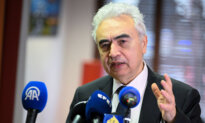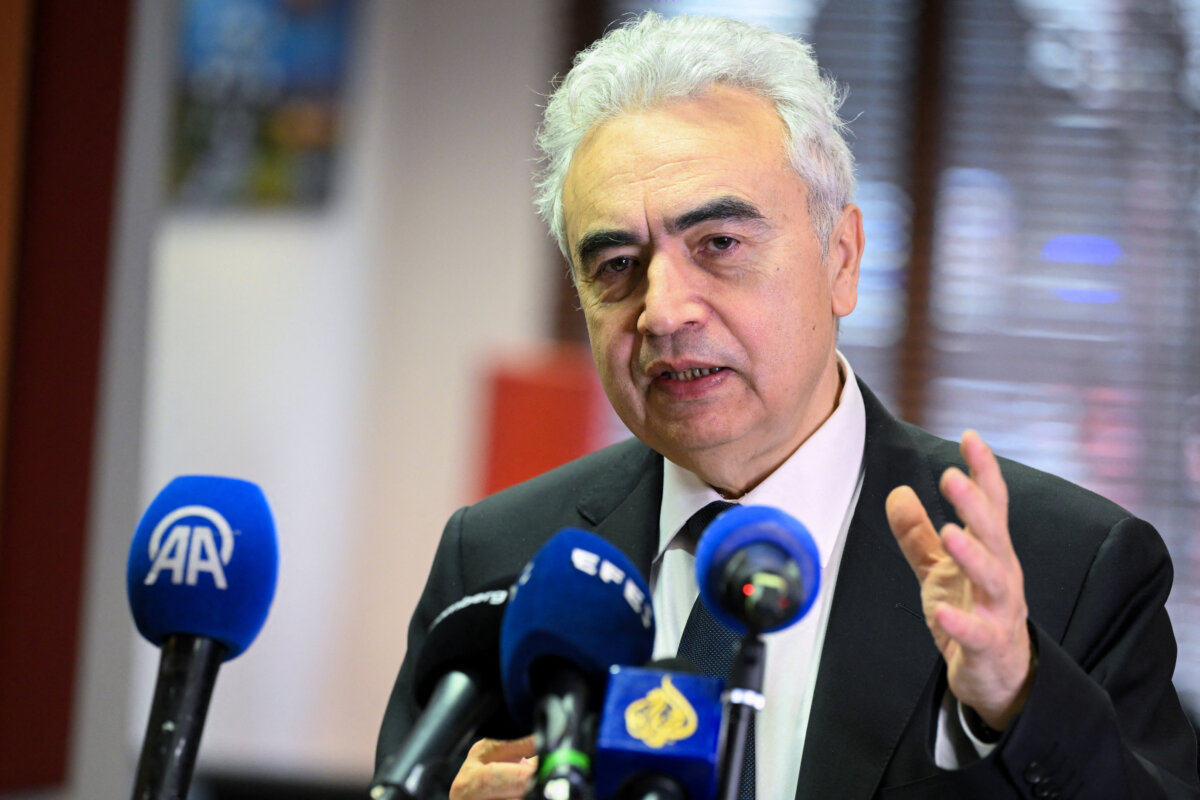

International Energy Agency (IEA) chief Fatih Birol said that the current oil and gas crisis is worse than those in the 70s and 2022 combined.
“I am very pessimistic because this war is blocking one of the arteries of the world economy. Not just oil and gas, but also fertilizers, petrochemicals, helium, and many other things,” he told French newspaper Le Figaro in comments published on April 6.
“If we look at the three major oil and gas crises of the past, the current crisis is more serious than those of 1973, 1979, and 2022 combined. We are facing a major energy shock that combines an oil shock, a gas shock, and a food shock. It is a major upheaval for the economy.”
He said that Europe, as well as Japan, Australia, and others, will suffer, but most at risk were developing nations, which will experience elevated oil and gas prices, higher food prices, and an acceleration of inflation, due to the restrictions on vessels in the Strait of Hormuz brought about by the ongoing conflict in the Middle East.
Birol described the scale of the drop in oil production in the Gulf as enormous, with those nations producing only a little more than half the amount they were producing before the war broke out. He added that the impact on natural gas was worse, saying that there are no more exports.
‘Black April’
“It must be understood that March was already very difficult, but April will be far worse. If the strait does remain closed throughout April, we will lose twice as much crude oil and refined products as in March,” he said. “We are entering a ‘black April.’ In the northern hemisphere, where we are, April usually marks the beginning of spring, but today I fear it may instead mark the beginning of a winter.”
IEA member countries agreed last month to release part of their strategic reserves. Some of this had already been released with the process still ongoing, Birol said.
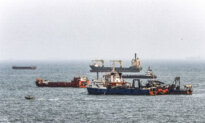
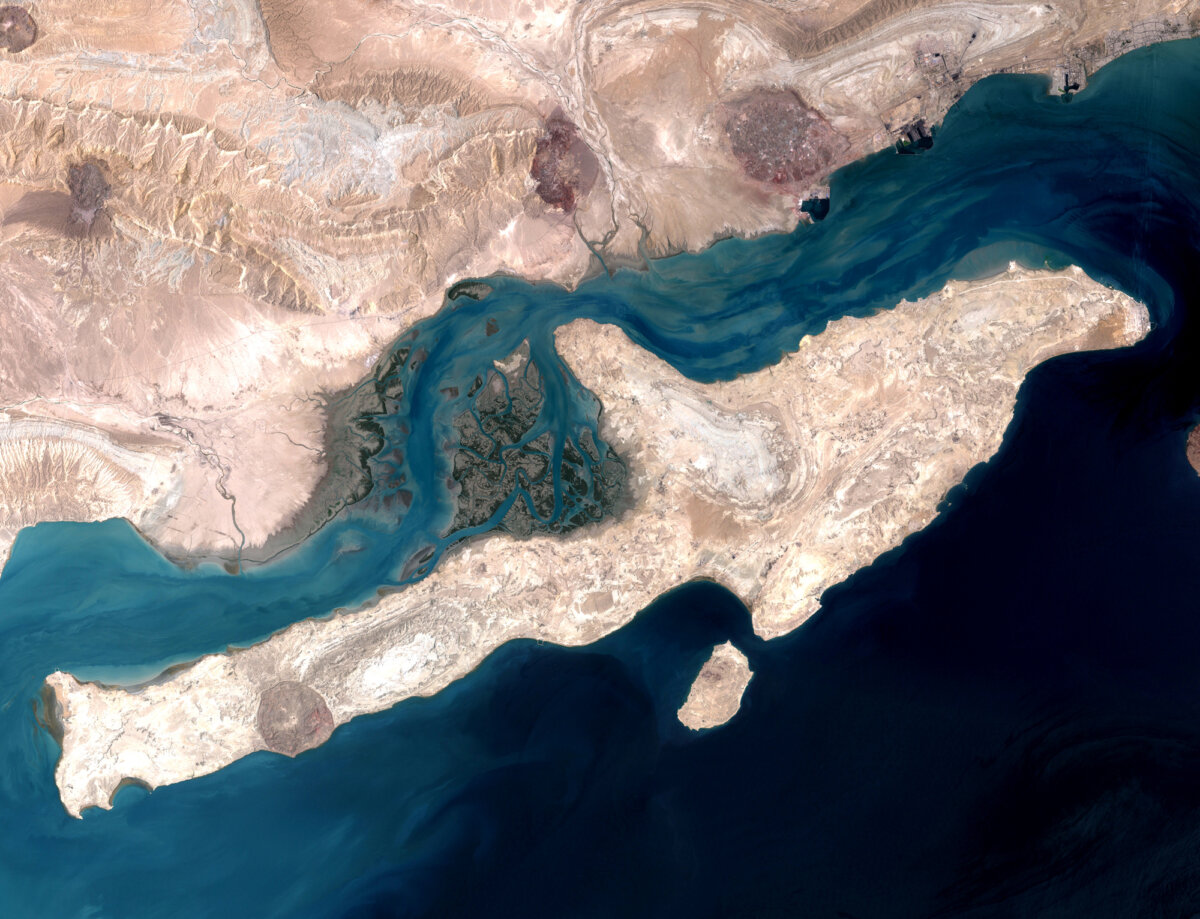
In reaction to the attacks by Israel and the United States, Iran has heavily restricted traffic in the Strait of Hormuz, through which about a fifth of the world’s oil and gas flows, causing a spike in energy prices.
In previous comments made on March 23, Birol said that the oil crises of 1973 and 1979 caused a combined loss of 10 million barrels per day, resulting in “major economic problems around the world, the recessions.”
After Russia’s invasion of Ukraine in 2022, the gas markets, especially in Europe, “lost about 75 billion cubic meters, 75BCM. And as of now, as a result of this crisis, we lost about 140BCM, almost twice [as much],” Birol added.
Oil prices were around $110 a barrel as of the morning of April 7, with a deadline imposed by U.S. President Donald Trump looming for Iran to fully reopen the Strait of Hormuz or be “taken out.”
“The entire country can be taken out in one night, and that night might be tomorrow night,” the president said during a White House news conference on April 6.
Deadline Day
Trump said the April 7 deadline would be final for the Iranian regime to make a deal that includes the reopening of the Strait of Hormuz to international maritime traffic. The strait, shared by Iran and Oman, is a critical waterway through which a significant share of global oil and gas shipments usually passes.
Shipping traffic through the strait remains sharply reduced, down by more than 90 percent from the same period last year, according to shipping data. A small number of vessels—including Omani-operated tankers, a French-owned container ship, and a Japanese gas carrier—have transited in recent days under tightly controlled conditions.
“This is a critical period. They have a period of, well, till tomorrow at 8 o’clock,” Trump said. “Now, we’ll see what happens. I can tell you they’re negotiating, we think, in good faith. We’re going to find out.”
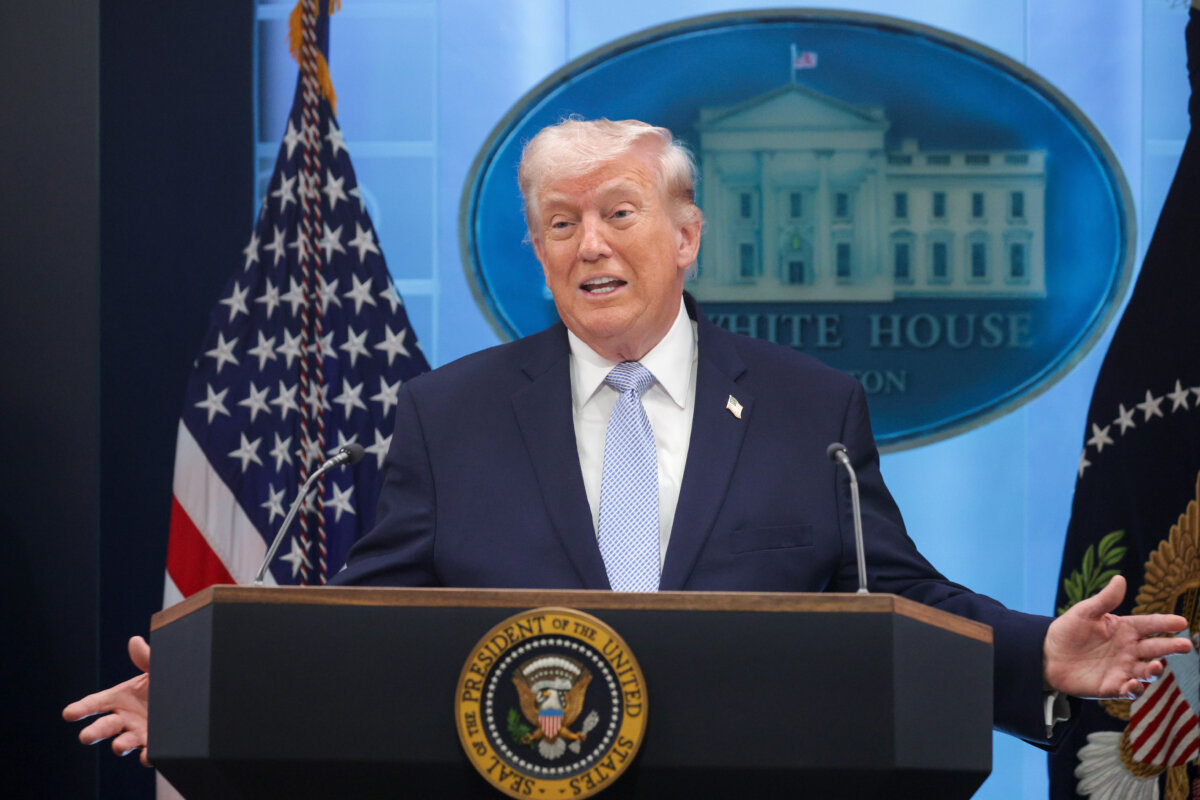
He warned that U.S. forces could take Iran back to the “Stone Age,” with potential attacks on Iran’s infrastructure, including bridges and power plants, if no deal is reached by the deadline.
Trump told reporters that any deal with Iran must be acceptable and include “free traffic of oil.”
The president said some countries affected by the war have offered help to mediate, but did not name them.
Iranian officials have signaled little willingness to accept a cease-fire under current conditions, rejecting proposals they say would benefit Washington.
According to Tasnim, Iranian Foreign Ministry spokesman Esmaeil Baqaei said at an April 6 press conference that cease-fire initiatives serve as a pause for the United States to regroup for further attacks.
Baqaei acknowledged efforts by regional mediators, saying that exchanges of messages conveying both Iran’s position and that of the United States have been exchanged since the beginning of the conflict.
Negotiating under the threat of ultimatums or ongoing U.S.–Israeli attacks was inappropriate, Baqaei was cited as saying, noting that the focus of Iran’s leadership was on defending the country.
Tom Ozimek and Aldgra Fredly contributed to this report.
 Friends Read Free
Copy
Facebook
Tweet
Friends Read Free
Copy
Facebook
Tweet