
The Liberal government says it will include a new strategy to tackle online financial crimes in its upcoming budget, and introduce legislation to create a financial crimes agency by the spring of 2026.
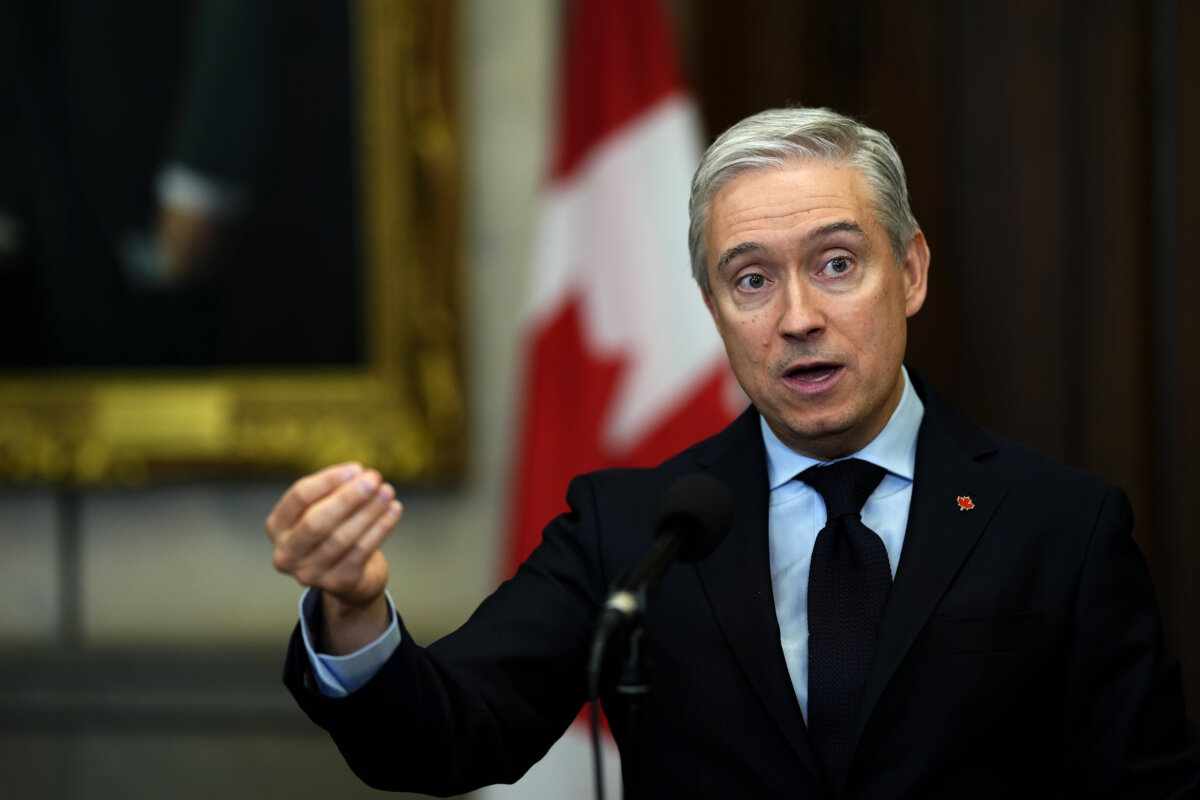
Canadians lost an estimated $643 million to financial scams in 2024, Finance Minister François-Philippe Champagne said at an Oct. 20 press conference, noting that the figure represents a nearly 300 percent increase since 2020. He said the government needs to “take bold action” to stop these types of crimes.
Budget 2025, to be released on Nov. 4, will introduce a National Anti-Fraud Strategy created in collaboration with the financial sector, Champagne said. The strategy will require banks to have policies to address fraud and give customers more control over their bank accounts.
This strategy will build upon existing initiatives to combat fraud and scams, like the Canadian Anti-Scams Coalition.
The government said it would also establish a new Financial Crimes Agency to bring together experts to investigate money laundering, organized criminal activity, and online scams, as well as to recover illicit proceeds of crime.
The finance minister said he will work together with Justice Minister Sean Fraser and Public Safety Minister Gary Anandasangaree to introduce legislation establishing the agency by spring 2026.
Ottawa will also work with stakeholders and banks to establish a voluntary code of conduct to prevent economic abuse such as restricting access to money, sabotaging employment, or forcing debt. The government said this is a “common yet under-recognized form of gender-based violence and financial harm” that seniors are especially susceptible to.
Secretary of State for Seniors Stephanie McLean told reporters the strategy is necessary because nearly a quarter of Canada’s population will be 65 or older by 2057.
“Seniors aren’t just part of our past, they are central to our present and our future and our country’s economic well being, and we have a responsibility to address the issues that are impacting their lives today, like fraud, scams, and economic abuse,” she said at the press conference.
The Conservatives proposed similar legislation during the last federal election. Tory Leader Pierre Poilievre included the Stop Scamming Seniors Act in his platform, which would force banks and telecoms to “block fraud in real-time, delay suspicious transactions, and impose minimum jail time for fraudsters.”
Champagne was asked by reporters why a new agency was needed when organizations like the Financial Transactions and Reports Analysis Centre of Canada already do similar work. He said the government needs a more specialized agency that is “best in class in the world.”
“You need the type of agents that would have the investigative power, the skills needed, and the ability to really go after organized crime, money laundering, and transnational crime,” he said.
The Oct. 20 press conference was part of a flurry of announcements the Liberals have made in recent days ahead of next month’s budget, which includes $1.8 billion to increase federal policing capacity and hire an additional 1,000 RCMP personnel, and $617 million to hire and train 1,000 new Canada Border Services Agency officers.
Prime Minister Mark Carney also announced on Oct. 10 that the budget will include provisions for automatic tax filing and benefits for low-income Canadians, the permanence of the National School Food Program, and the extension of the Canada Strong Pass for free or discounted admission to national sites.
The Conservatives have called for the upcoming budget to cut taxes for Canadians and keep the budget deficit under $42 billion. The NDP wants increased federal investments in workers and businesses without austerity measures, and the Bloc Québécois has outlined 18 budget demands that include increased health transfers to Quebec, new federal funds for provinces to spend on infrastructure, and an increase to Old Age Security payments starting at age 65.
 Friends Read Free
Copy
Facebook
Tweet
Friends Read Free
Copy
Facebook
Tweet