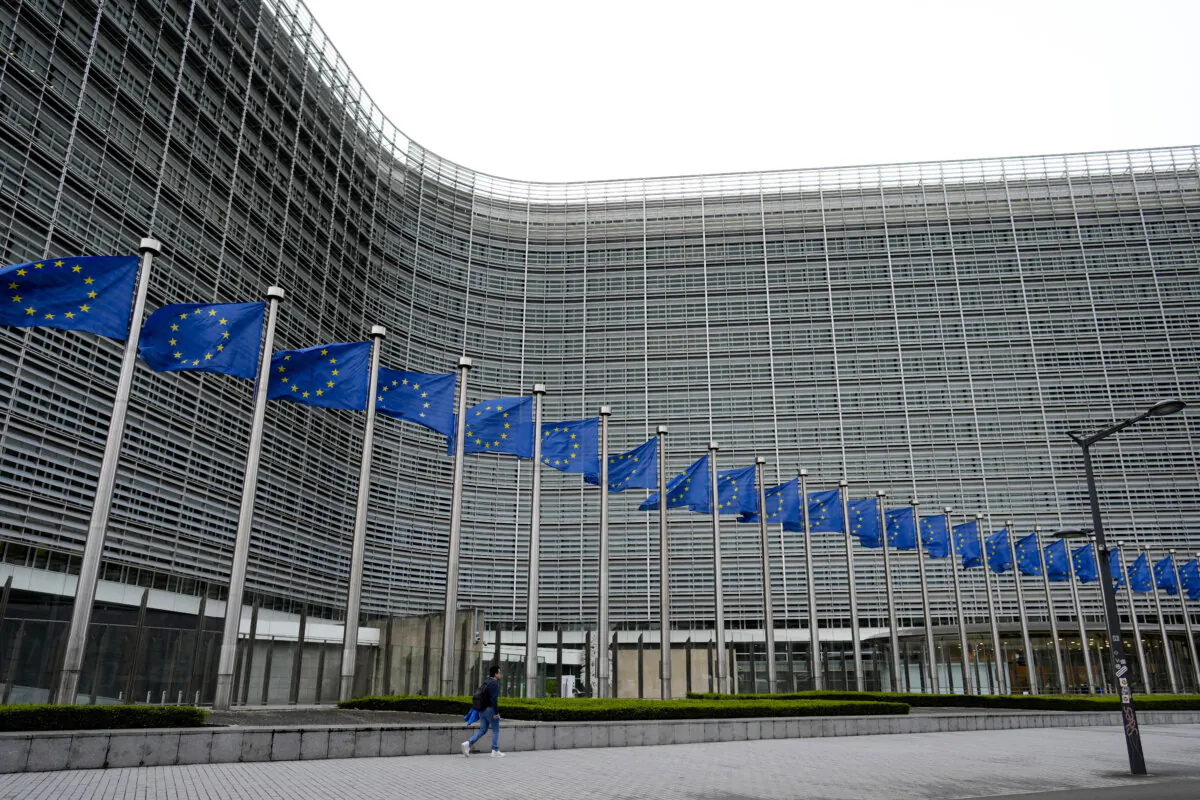

Poland, Hungary, and Slovakia have continued their national bans on some Ukrainian agricultural imports in defiance of a new trade agreement between Kyiv and the European Union, which came into effect on Oct. 30.
The three member states issued statements saying that they will maintain their prohibition on goods from the war-torn country, breaching the terms of the EU–Ukraine Deep and Comprehensive Free Trade Area (DCFTA) agreement.
The EU first liberalized trade between the 27-nation bloc and Ukraine in 2022 following Russia’s full-scale invasion to help the country compensate for the higher costs to export its goods via the EU, after Russia threatened its traditional Black Sea shipping lanes.
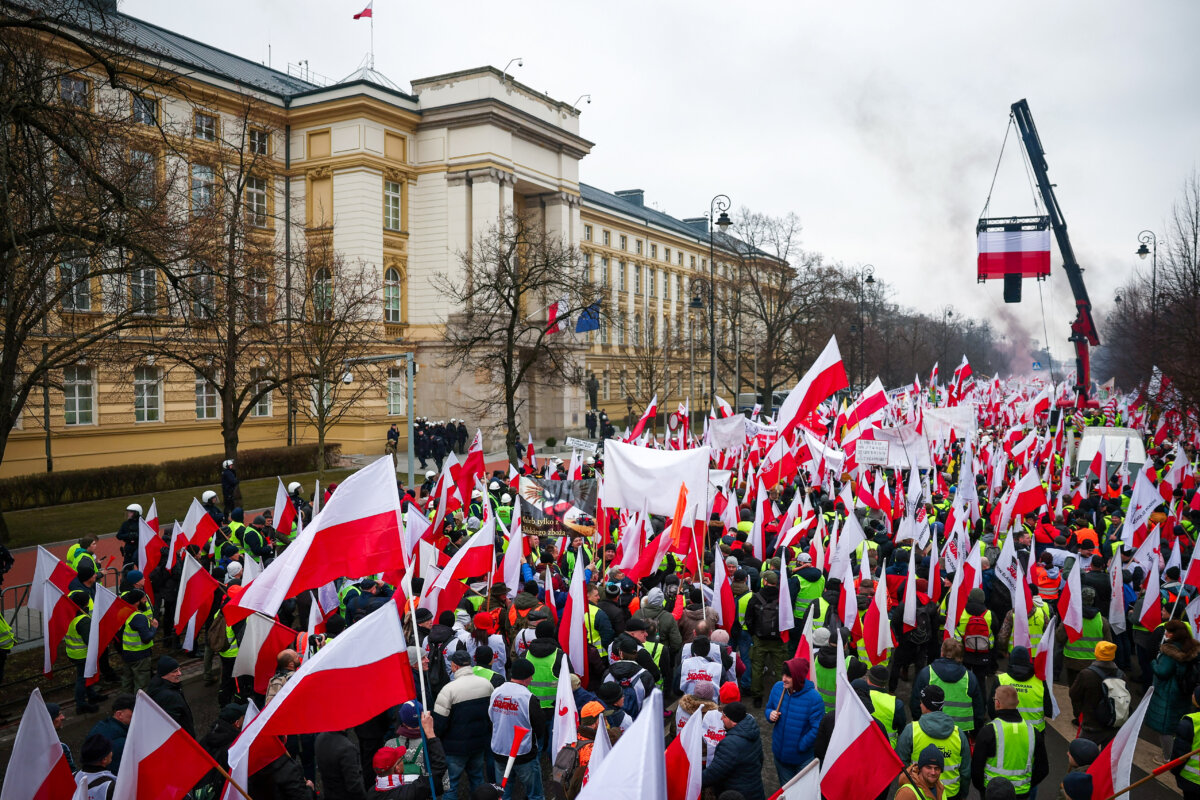
That move sparked protests from farmers in some nations bordering Ukraine. Poland, Slovakia, and Hungary announced restrictions on Ukrainian grain imports in September 2023.
The updated DCFTA agreement now further liberalizes the movement of goods from Ukraine and does not have any carve-outs for nations to impose their own restrictions, as that would contravene EU single market rules.
Poland said on Oct. 29 that it will keep its ban on imports of wheat, corn, rapeseed, and sunflower seeds from Ukraine.
The Polish Ministry of Agriculture and Rural Development said in a post on X, “The new quotas and volumes resulting from the EU–Ukraine trade agreement apply to imports into the entire EU, while in Poland, the indefinite ban on imports from Ukraine remains in force for: wheat, corn, rapeseed, sunflower, and certain products derived from their processing.”
Slovakia’s delegation to the EU said in an Oct. 28 post on X that “excessive imports from Ukraine destabilize the EU market & harm competitiveness of Slovak farmers. Current safeguards are not strong enough to protect our farmers & market from disruption. All imports from third countries must meet EU standards.”
At a meeting of EU agricultural ministers in Luxembourg on Oct. 27, Slovak Minister for Agriculture Richard Takac said that his government could not agree to a proposal that would jeopardize Slovakia’s food self-sufficiency and reduce support for farmers.
“If agriculture is to fulfill its economic and ecological goals, it must have stable and fair financing,” Takac told reporters. “Slovakia advocates that honest farmers, food producers, foresters, and rural areas deserve fair conditions. We must collectively create pressure on the European Commission to take into account the needs of real people who provide food for Europe every day.”
Hungarian Minister for Agriculture Istvan Nagy said that Budapest would maintain its restrictions on goods from Ukraine, accusing Brussels of suffering from “war psychosis.”
“There can be no question of Brussels supporting Ukraine at the expense of the resources of European and Hungarian farmers,” he said, according to Hungarian outlet M1.
“Instead, we should be talking about what impact, for example, the 35,000 tons of honey coming from Ukraine under the agreement will have on the EU beekeeping sector; what the 120,000 tons of poultry will mean for the EU poultry sector; or how EU grain producers will cope with 1.3 million tons of wheat, and what zero tariffs on corn will do to EU producers.”
Hungary, Slovakia, and Romania sent a joint letter to the EU Council last week in which they requested special protection for farmers in border member states against Ukrainian imports.
The European Commission, which functions as the bloc’s executive branch, has not said whether or not there will be any repercussions for Warsaw, Budapest, and Bratislava defying the EU. The commission’s deputy spokesperson, Olof Gill, said that the body saw “no justification for maintaining these national measures,” according to the Interfax-Ukraine news agency.
When asked whether there would be legal proceedings for countries that refused to comply, he said, “All options are on the table.”
The Epoch Times reached out to the European Commission for comment but did not receive a response by publication time.
 Friends Read Free
Copy
Facebook
Tweet
Friends Read Free
Copy
Facebook
Tweet