
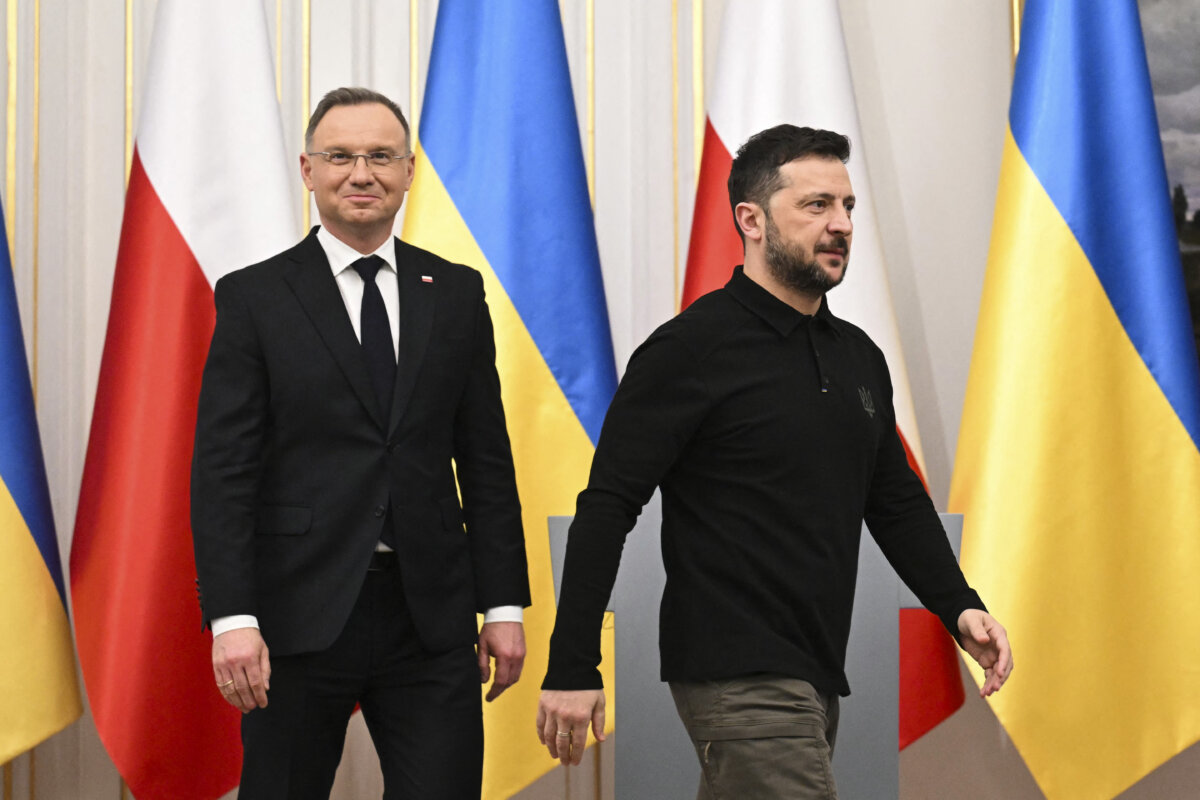
Polish President Andrzej Duda has said that Russian gas supplies to Western Europe should never be restored.
Duda says that the continent shouldn’t even consider reopening the pipelines from the east, even if a peace settlement is agreed between Moscow and Kyiv to bring an end to the war in Ukraine.
Speaking at the World Economic Forum in Davos, Switzerland, Duda said the two Nord Stream pipelines should be “dismantled.”
He told the BBC: “This pipeline causes a very big threat to Ukraine, to Poland, to Slovakia, but also to other Central European countries.
“It is a threat from the point of view of energy, from the point of view of the military, but also it is a huge economic threat because it means a domination of Russia over Europe in the economic sense.”
The Nord Stream pipelines were built by Gazprom, the energy giant whose majority owner is the Kremlin, and they run from Russia to northern Germany.
Nord Stream 1 was shut in 2022, and Nord Stream 2 was never used after Moscow’s forces launched a full-scale invasion of Ukraine.
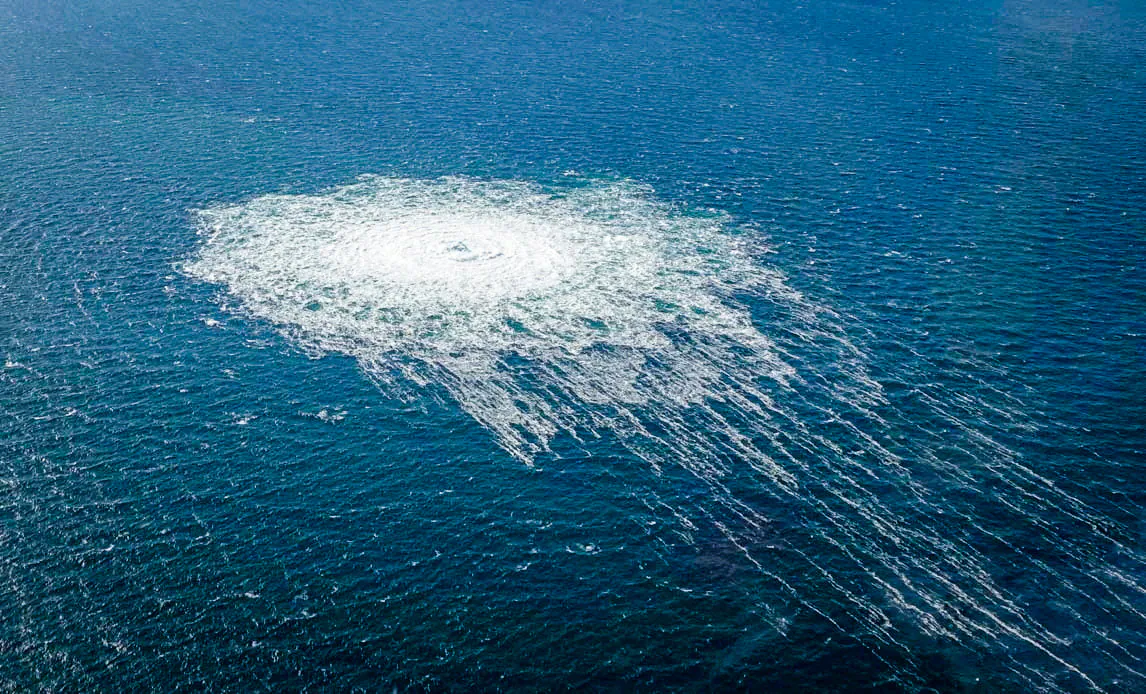
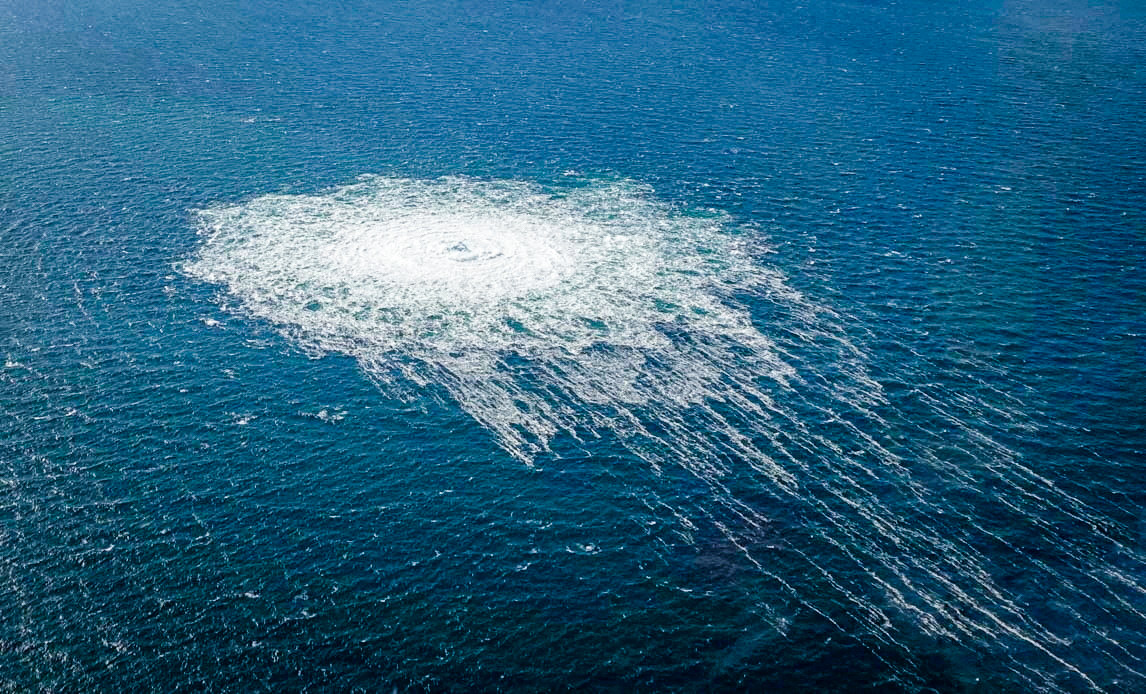
Both were damaged by explosions in September 2022 in a controversial incident that was initially blamed on Russia, but following investigations conducted by Danish, German, and Swedish authorities, the prime suspect appeared to be a Ukrainian national.
Germany has since significantly reduced its Russian natural gas imports and now has deals with Norway, Europe’s biggest gas producer. However, other EU nations, such as Hungary, remain reliant on fuel funneled from Moscow.
Duda’s comments came ahead of statements from European Union foreign policy chief Kaja Kallas announcing that the bloc would renew its sanctions against Russia on Jan. 27 after Hungary signaled that it would stop blocking the move in return for energy security guarantees.
“Europe delivers: EU Foreign Ministers just agreed to extend again the sanctions on Russia,” Kallas wrote in a post on social media platform X.
“This will continue to deprive Moscow of revenues to finance its war. Russia needs to pay for the damage they are causing.”
Officials from other EU nations had warned that a failure to roll over the wide-ranging sanctions on the Kremlin would have major consequences, such as the unfreezing of Russian assets in Europe currently being used to aid the government in Kyiv.
Profits from the frozen assets are being used to finance a $50 billion loan to Ukraine backed by the G7.
The sanctions up for continuation include all sector-based bans on trade and the measures that froze Russia’s central bank assets.
Legally, the bloc must unanimously vote to renew these restrictions every six months. The deadline for renewal is Jan. 31.
Hungarian Prime Minister Viktor Orban had first called for consultations with the U.S. government before a renewal decision.
However, U.S. President Donald Trump’s administration has so far indicated that it wishes to continue pressure on Russian President Vladimir Putin to enter into peace negotiations.
Orban then cited complaints about Ukraine ending a deal that brought Russian gas to Hungary.
However, Budapest—which maintains closer political ties with Moscow than the rest of the EU—indicated on Jan. 27 that it was ready to approve the continuation of sanctions at the meeting in Brussels.
Hungarian Foreign Minister Peter Szijjarto said on Facebook, “The European Commission committed itself to the protection of the natural gas and oil pipelines leading to member states of the European Union.”
At a meeting of EU ambassadors on the morning of Jan. 27, the commission presented a statement declaring that it was “ready to continue discussions with Ukraine on the supply to Europe through the gas pipeline system in Ukraine.”
The statement also said the commission—the EU’s executive body—was ready to involve Hungary and Slovakia in the process.
“The commission will approach Ukraine to request assurances regarding the maintenance of oil pipeline transfers to the EU,” the statement said.
Reuters contributed to this report.
 Friends Read Free
Copy
Facebook
Tweet
Friends Read Free
Copy
Facebook
Tweet