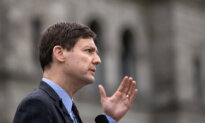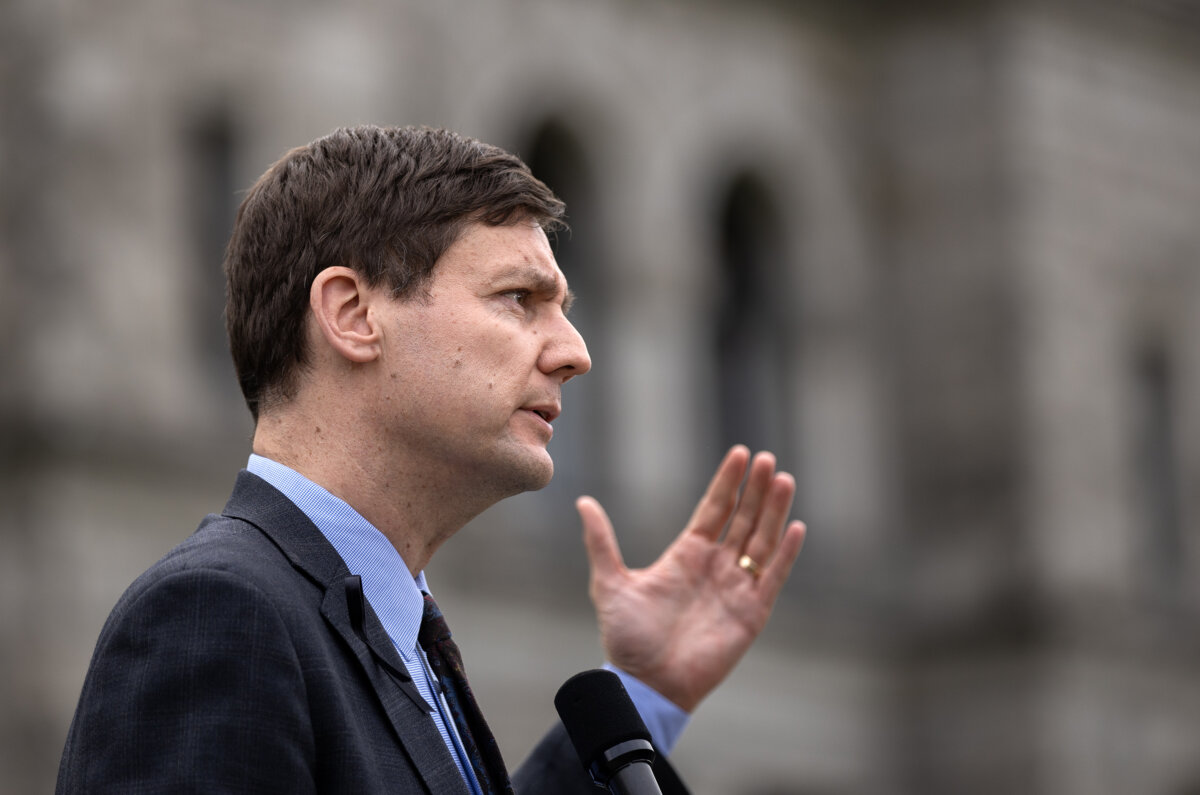
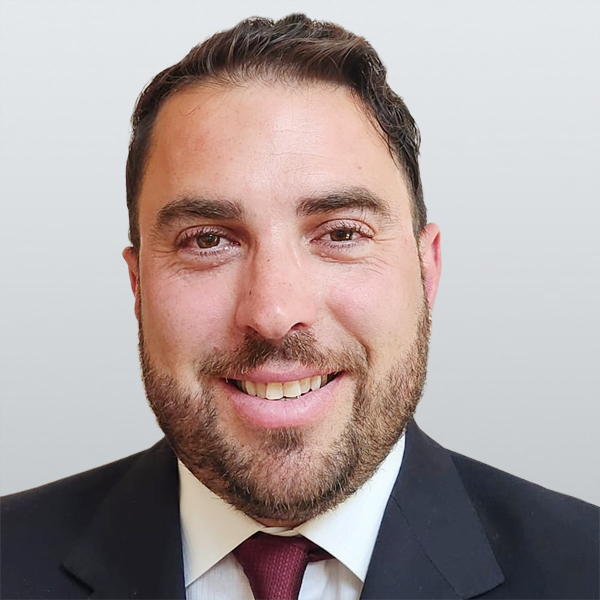
B.C. Premier David Eby says he will not table legislation to amend or pause parts of a key B.C. indigenous rights law that he had earlier said creates “significant legal liabilities” for the province.
The decision comes after backlash from indigenous leaders and members of his own caucus. The B.C. premier had revisited the legislation amid heightened public concern about property rights in light of recent court decisions recognizing Aboriginal title over large areas.
Eby said amending or suspending the Declaration of the Rights of Indigenous Peoples Act (DRIPA) would be a move “in the wrong direction” and instead his government has reached an agreement with First Nations to find a collaborative solution ahead of the fall session of the B.C. legislature, which begins Oct. 5.
“This has been, if I can speak frankly, probably the most challenging issue I’ve worked on in government. It is absolutely possible, as a leader, to move off confidently in the wrong direction,” the premier told media April 20.
The premier said B.C. Attorney General Niki Sharma had been talking with First Nations chiefs across the province about the plan to amend or pause parts of DRIPA and had told him of the possibility of reaching an agreement late last week. Eby said this led to calls with the First Nations Leadership Council (FNLC) over the weekend, resulting in a decision not to bring forward legislation.
“I want to thank the attorney general for tapping me on the shoulder and creating space for this conversation to be able to happen,” Eby said. “Moving forward together is my number one priority, finding a way to resolve government’s concerns in partnership, rather than in conflict.”
A joint statement by the government and FNLC says they are “committed to working together with all First Nations leaders on a path forward to discuss and consider the government’s stated legal concerns.”
Clashes
The FLNC issued a statement April 19 threatening “collective resistance” including blockage of key infrastructure in the province and legal challenges if Eby went ahead with changes or a pause to DRIPA.
“Any attempt to interfere with the courts’ role, and First Nations’ access to justice, will be met with collective resistance from First Nations and allies across the province,” the council said.
Asked whether the threat caused him to back off planned legislation, Eby said April 20 that “collaborative paths” are preferable to legal clashes.
“There is a very real threat to our province in continued conflict with First Nations,” Eby said. “That’s why our government is committed to finding, if at all possible, collaborative paths forward. We want to move past the court battles, past the blockades, past those issues.”
DRIPA
On April 13, B.C. House Leader Mike Farnworth walked back Eby’s statement that the planned amendments or pause to DRIPA would be tied to a government confidence vote. In a confidence vote, a bill being defeated would lead to an election.
DRIPA, passed in 2019, is a provincial commitment to align laws with the 2007 non-binding U.N. Declaration on the Rights of Indigenous Peoples (UNDRIP). UNDRIP outlines a number of principles of self-determination, land rights, and consultation rights for indigenous communities on their ancestral territory.
Eby first said parts of DRIPA created legal uncertainty in the province following a B.C. Court of Appeal decision in early December of last year which held that DRIPA was legally enforceable in supporting Gitxaala Nation’s challenge against the provincial mineral tenure system. Gitxaala said mineral claims were being permitted to be staked on its territory without it having been adequately consulted or given consent.
The ruling further held that B.C. must implement UNDRIP into B.C. law “with immediate effect” and ensure DRIPA was “properly interpreted” in all legal decisions going forward.
Eby’s B.C. NDP currently have a one-seat majority in the provincial legislature. They have faced considerable backlash from First Nations leaders around the province due to their plan to suspend or amend DRIPA, including from NDP MLA Joan Phillip and her husband Grand Chief Stewart Phillip, who is president of the Union of B.C. Indian Chiefs.
The BC Conservative Party has previously said it will work to defeat Eby’s government and repeal all of DRIPA if in power.
“20 court cases pending. Property rights at risk. But the Premier folded because he doesn’t have the confidence of his own caucus,” Interim BC Conservative Party Leader Trevor Halford posted April 13 on social media. “BC needs certainty, and that means repealing DRIPA.”
Halford had also criticized Eby’s plan to pause DRIPA, saying it would just delay “accountability beyond the next election in fall 2028.”
The political clash over DRIPA comes amid wider legal developments on indigenous land rights, including a landmark decision last summer that stated Cowichan Tribes have title to about about 7.5 square kilometres of land in Richmond.
William Hetherington contributed to this report.
 Friends Read Free
Copy
Facebook
Tweet
Friends Read Free
Copy
Facebook
Tweet