News Analysis
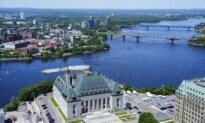
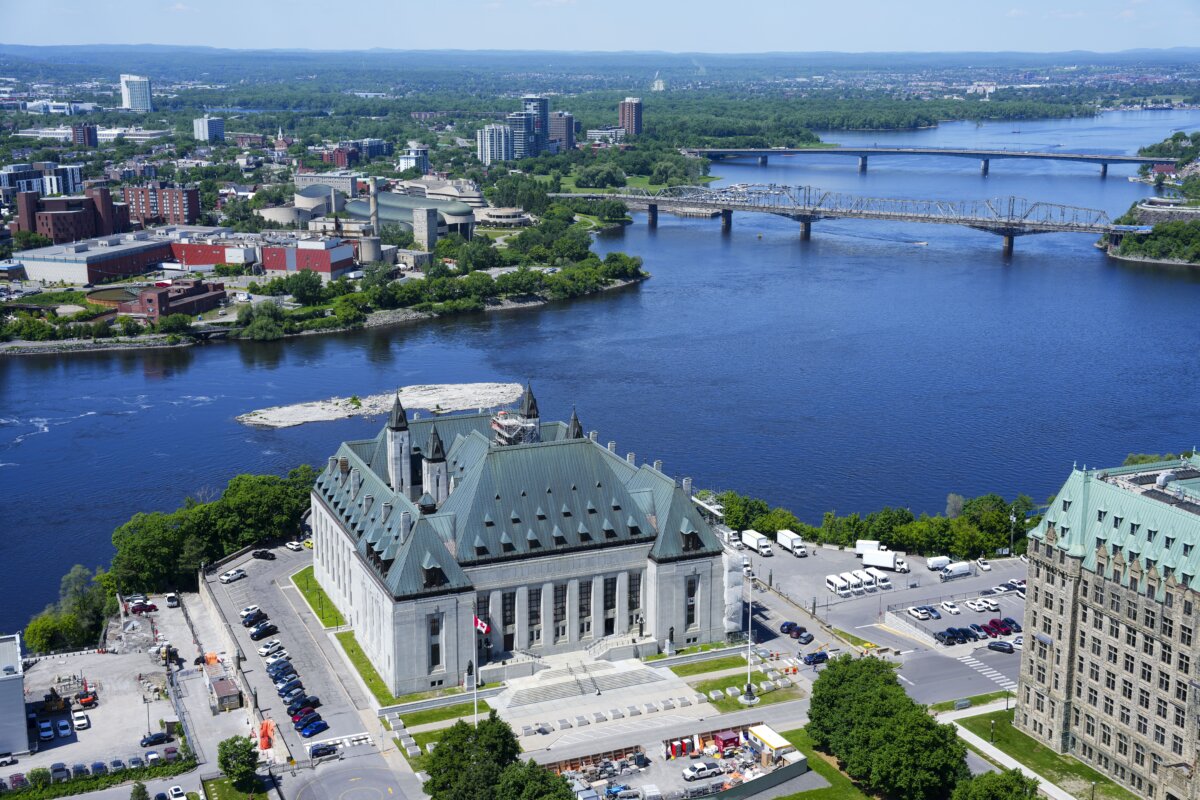
Legal battles over aboriginal title and private land ownership are back in focus after the Supreme Court of Canada last week declined to hear an appeal in a New Brunswick case involving the Wolastoqey Nation.
There have been several, often conflicting interpretations of the implications that the Supreme Court of Canada (SCC) decision could have for other cases, particularly the Cowichan Tribes case in B.C., which private landowners have already cited as having considerable ramifications and creating uncertainty.
What Happened
The Supreme Court of Canada’s May 28 decision upholds a New Brunswick Court of Appeal ruling that found aboriginal title declarations could not be granted over privately owned land in the case before it, as the affected landowners were no longer parties to the litigation.
The appellate court also suggested that aboriginal title and fee-simple ownership may be legally incompatible, saying that declaring aboriginal title over privately owned land could “sound the death knell of reconciliation with the interests of non-aboriginal Canadians.”
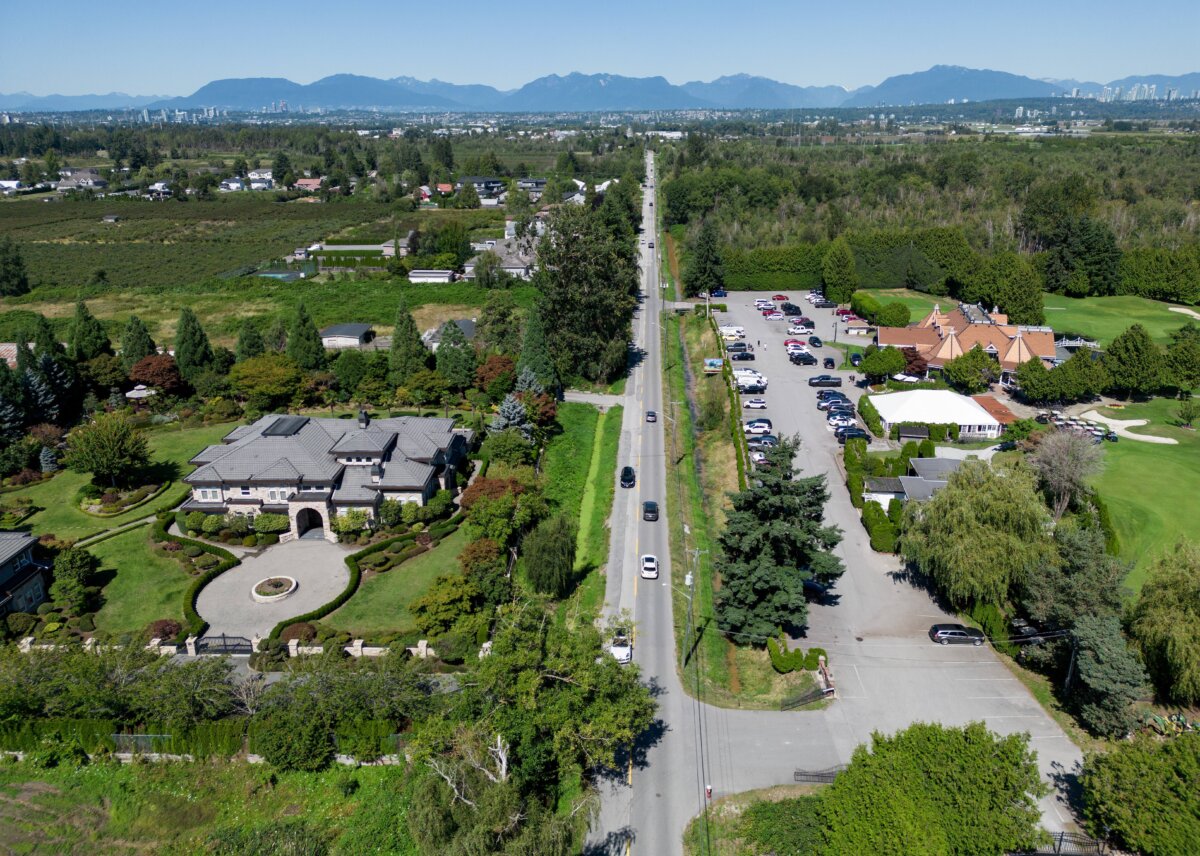
The ruling has drawn attention because it conflicts with an earlier B.C. Supreme Court decision in which Justice Barbara Young found that aboriginal title can coexist with fee-simple ownership and recognized aboriginal title for the Cowichan Tribes over portions of land in Richmond, B.C.
The Cowichan ruling sparked concern among private landowners, developers, and legal observers who argued it created uncertainty around the relationship between aboriginal title and private property rights. The decision is now being appealed by both the federal and B.C. governments, along with several private landowners and development interests.
Legal experts say the Supreme Court’s refusal to hear the New Brunswick appeal does not settle the issue nationally. However, the situation has intensified debate over whether courts across Canada are moving toward different interpretations of how aboriginal title applies to privately owned land, and whether the Cowichan appeal could become the Supreme Court’s next major test case on the issue.
Wolastoqey Case
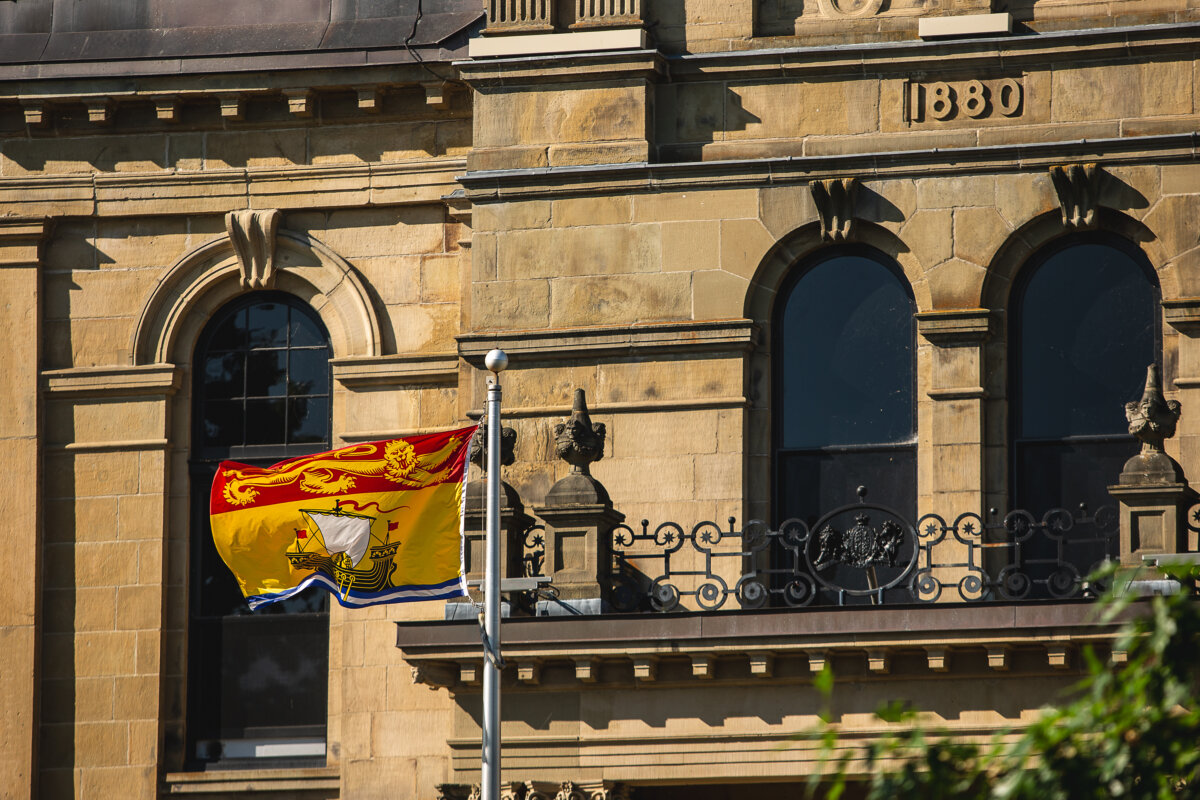
The Wolastoqey Nation, made up of six New Brunswick First Nations, launched its lawsuit in 2021 seeking declarations of aboriginal title over large portions of New Brunswick that it says were never legally ceded or surrendered through treaty.
The claim originally involved several major private landowners, including forestry company J.D. Irving, but those landowners were later removed from the case after a lower-court judge ruled the core dispute was between the First Nations and the Crown.
The New Brunswick Court of Appeal later agreed the claims were fundamentally against the Crown, but ruled that private landowners could not be excluded from litigation involving their lands. The court said aboriginal title declarations, therefore, could not proceed over the privately owned lands at issue in the case.
The Supreme Court of Canada’s refusal to hear the appeal does not mean it endorsed the New Brunswick ruling, since the top court declines to hear the vast majority of leave applications each year without commenting on the merits of the cases.
“The Supreme Court receives many applications for leave to appeal, and it can probably only accept about 10 percent of them. So when it refuses leave, that doesn’t necessarily mean it agrees with the lower court decision,” Kent McNeil, professor emeritus of law at the York University, told The Epoch Times.
Constitutional law professor Dwight Newman echoed this, writing in a Substack post that a refusal to hear the appeal “is not a direct indication of whether the Court agrees with or doesn’t agree with the decision below.”
Conflicting Interpretations
At the same time, there have been different interpretations and claims as to the extent that the top court’s decision to not hear the case could have implications for other cases.
Federal officials have suggested that the ruling supports Ottawa’s position in ongoing litigation over aboriginal title and private property.
“Private property rights are fundamental,” the Crown-indigenous relations department said in the wake of the Supreme Court’s May 28 decision not to hear Wolastoqey’s appeal.
The federal government is under pressure from the opposition as well as private land owners to uphold private property rights, and Ottawa has indicated that it is appealing the Cowichan ruling.
Conservative MP Aaron Gunn dismissed the government’s position as “Liberal talking points.” Referring to some initial media reports that suggested broader implications from the Supreme Court’s decision to decline hearing the New Brunswick case, he said the top court’s refusal “to hear a case does not equal the SCC ‘upholding a decision’.”
“This does not affect the law in B.C.,” Gunn wrote on X on May 28. Gunn has been critical of a number of laws and policies in B.C., including the provincial adoption of the U.N. Declaration on the Rights of Indigenous Peoples (UNDRIP), which has had implications in court cases involving aboriginal titles.
Newman said the Supreme Court’s refusal to hear the case likely indicates it did not view the appellate court’s ruling as “extraordinarily pernicious.”
“The Court deciding not to hear a case probably means that they do not consider the outcome and reasoning below extraordinarily pernicious, or that would become a factor in deciding to hear it,” Newman wrote.
Still, he cautioned against reading too much into the Supreme Court’s refusal to hear the appeal.
“The outcome in the Wolastoqey case, then, is moderately positive for those hoping to see a change in the Cowichan result. But only moderately so,” Newman wrote.
The lawyer representing Cowichan in its case has a different take, arguing that the decision actually adds weight to Cowichan’s side. He said it leaves Cowichan open to making a successful case on aboriginal title if its case reaches the Supreme Court.
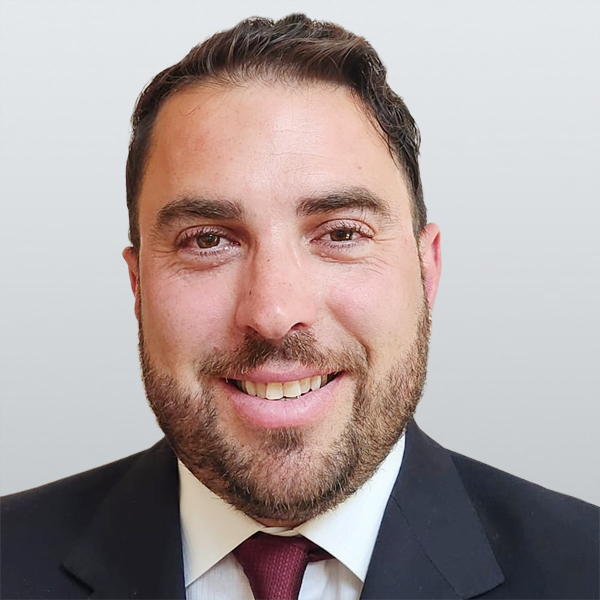
“This is good news because the Supreme Court of Canada has not decided the issue nor upheld the New Brunswick Court of Appeal,” Robbins wrote on May 28. “It has left the question open for a future case.”
‘Finding’ Versus ‘Declaration’
Part of the legal debate centres on whether courts can formally declare aboriginal title over privately owned land, or whether First Nations may instead be limited to seeking compensation from governments for land that was historically transferred to private owners.
The New Brunswick Court of Appeal suggested future compensation claims against the Crown may still be possible even if formal declarations of aboriginal title cannot proceed over private land in cases where affected landowners are not parties to the litigation.
McNeil, however, questioned the New Brunswick court’s distinction between a legal “finding” of aboriginal title and a formal “declaration” of title.
The appellate court suggested a future court could recognize that aboriginal title existed historically without formally declaring title over privately owned land itself.
McNeil said he does not believe the distinction ultimately resolves the underlying legal conflict.
If a court finds aboriginal title exists, then a declaration should follow, McNeil said.
Treaty Versus Non-Treaty Lands
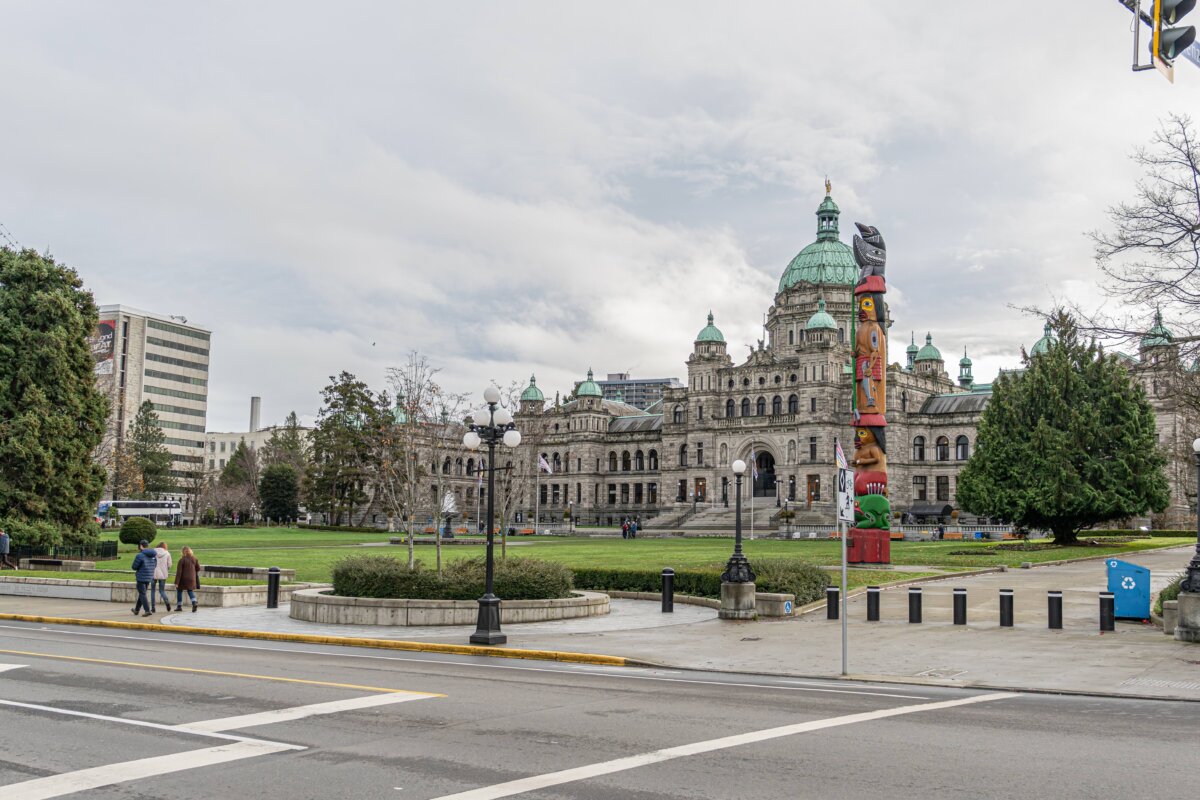
The unresolved legal questions have become especially significant in British Columbia because much of the province is not covered by historical treaties involving land surrender, McNeil noted.
McNeil said New Brunswick’s Peace and Friendship treaties did not include land surrenders either, making the legal issues in the two provinces more comparable than in parts of Ontario or the Prairie provinces that are covered by numbered treaties.
“In most of B.C., there are no treaties at all,” he said. “New Brunswick and B.C. are different in this respect from Ontario and the Prairie Provinces, where there are treaties involving surrender of land.”
The competing rulings in New Brunswick and British Columbia now leave governments, First Nations, developers, and private landowners facing continued uncertainty until higher courts provide clearer direction on how aboriginal title interacts with fee-simple ownership.
McNeil said the Supreme Court’s refusal to hear the Wolastoqey appeal leaves both sides in the aboriginal title debate likely to continue citing competing court rulings in future litigation.
“The Crown—the government—is going to be arguing in favour of the New Brunswick Court of Appeal decision,” he said. “First Nations are going to say, ‘No—look at the Cowichan Tribes decision.’”
He added that the uncertainty is likely to persist until the Cowichan case works its way through the appeal process and potentially reaches the Supreme Court itself.
“Maybe they want to wait until the Cowichan case gets through the B.C. Court of Appeal,” McNeil said of the Supreme Court’s decision not to hear the New Brunswick appeal.
The Canadian Press contributed to this report.
 Friends Read Free
Copy
Facebook
Tweet
Friends Read Free
Copy
Facebook
Tweet