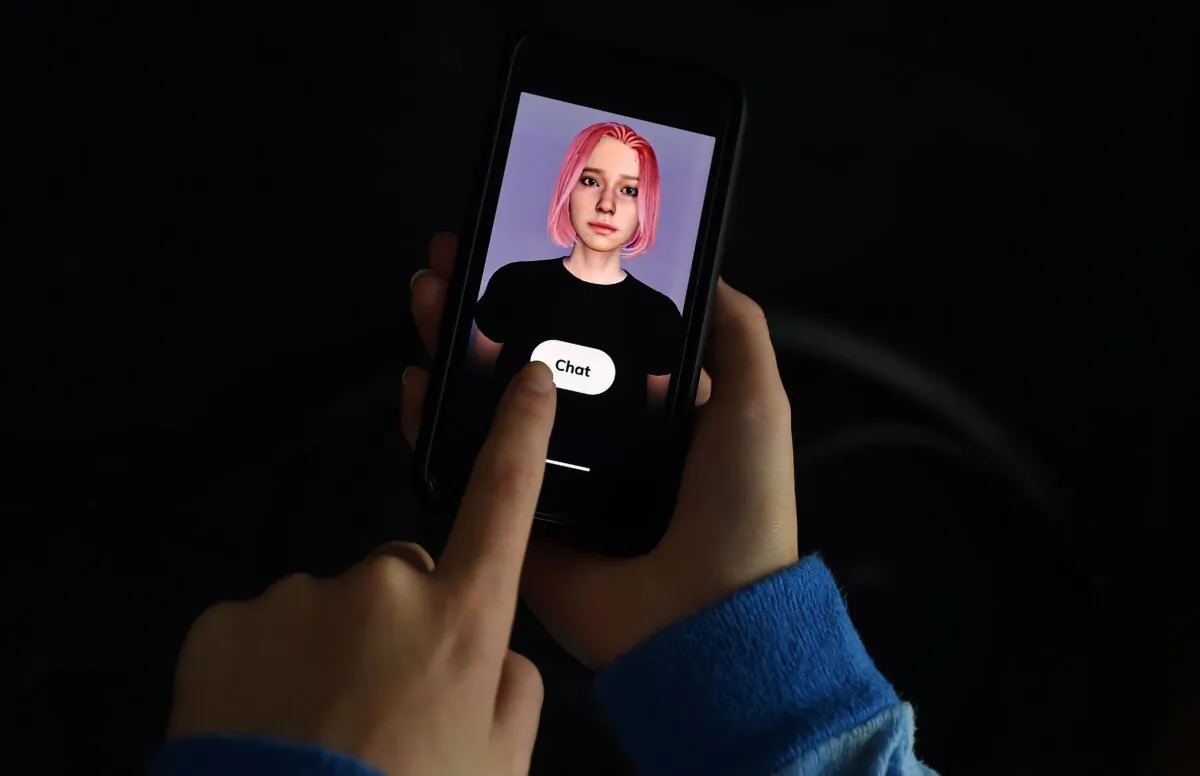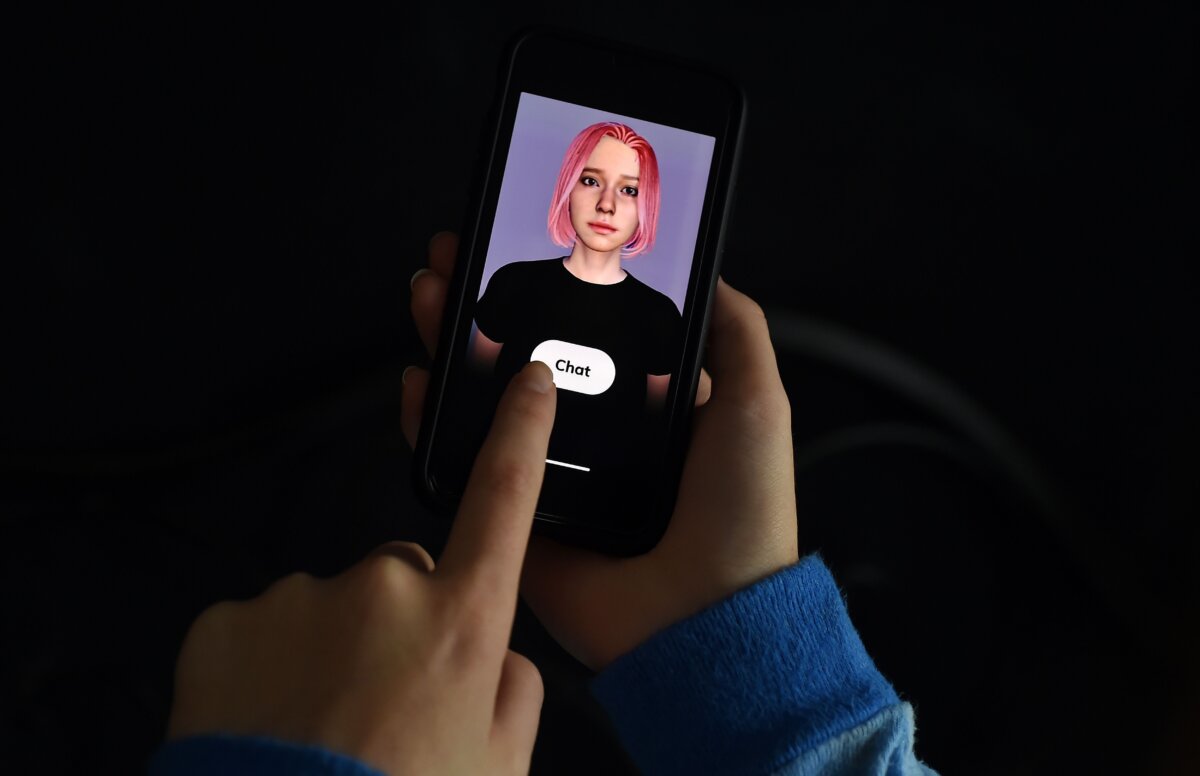

Clinicians should watch for signs that AI chatbots may be contributing to mental problems in some patients, as heavy reliance on these tools for emotional support can increase risks including “chatbot psychosis,” according to a study published in the Canadian Journal of Psychiatry.
Some users may develop “high-risk” patterns in using artificial intelligence, including relying on chatbots for emotional support or treating them as companions, therapists, or authority figures, the study notes. Such behaviour may contribute to anxiety, negative beliefs, or thoughts of self-harm in vulnerable patients. Chatbots could also influence or reinforce disordered thinking in what the authors call “chatbot psychosis.”
Chatbot conversations differ from other human-machine interactions because they are designed to be highly agreeable and easy to engage with, the paper says. Chatbots may almost seem human, but they are constantly available, never tire of interaction, and lack the boundaries and complexities of human relationships, the study says. The authors say these features may validate or reinforce maladaptive patterns in at-risk users.
The paper comes amid increasing lawsuits in North America alleging that AI chatbots have contributed to serious mental-health harms, particularly among teenagers.
In Canada, several families of victims of the mass shooting in Tumbler Ridge, B.C., are preparing lawsuits against OpenAI and its CEO Sam Altman, potentially seeking more than US$1 billion in damages. The lawsuits argue OpenAI failed to act on warning signs from the shooter’s interactions with ChatGPT, including flagged violent content that employees allegedly discussed reporting to police but ultimately did not escalate.
The families say the company’s decision not to notify authorities, along with alleged design flaws and inadequate safeguards, contributed to the Feb. 10 attack, which killed nine people and injured 27. Altman has acknowledged the tragedy, apologized for some aspects of the company’s response, and vowed to strengthen safety and threat-detection systems.
Another widely cited case involves the family of a Florida teenager who alleged that a Character.AI chatbot encouraged self-harm, while separate lawsuits against OpenAI claim ChatGPT reinforced suicidal ideation in vulnerable users. Some of these cases have since been settled in principle or remain ongoing, marking an early legal test of liability for AI systems in mental health contexts.
At-Risk Users
The paper published in the Canadian Journal of Psychiatry says a combination of how chatbots are designed, a user’s mental state, and their social situation could lead some users to substitute human relationships with chatbots or develop increasingly reinforced beliefs through repeated use. While people may start using chatbots for entertainment, reliance may deepen, particularly among individuals experiencing loneliness, psychological distress, major life transitions, or barriers to accessing care.
People with mental health conditions affecting social functioning, as well as youth at high risk of psychosis, may be especially vulnerable, as chatbots can feel accessible, non-judgmental, and may unintentionally validate emerging or unstable beliefs, the paper says.
The authors propose preliminary clinical approaches based on treatments for behavioural addictions and delusional disorders. Other strategies include rebuilding human connections, reducing reliance on AI, and expanding real-world social networks. The paper also emphasizes the need to explain that AI systems are designed for agreeability and non-confrontation, which may distort users’ perceptions of validation.
Clinicians are further advised to set safer usage boundaries, such as limiting time spent with chatbots and maintaining critical awareness of AI-generated responses. Overall, the authors argue that risk is closely tied to distress and social isolation, and call for early, supportive, and stage-appropriate intervention across diagnostic groups.
Other research has examined what some authors describe as “AI-driven belief reinforcement,” focusing on how highly agreeable conversational systems may unintentionally strengthen unusual or fixed beliefs over time. A 2026 preprint modelled how sycophantic chatbot behaviour—where systems prioritize agreement and validation—may contribute to “delusional spiraling,” even among users without prior clinical vulnerability.
A separate study published last year on teen use of AI companion chatbots found that interactions often begin as casual engagement but can evolve into stronger emotional attachment and increased reliance. The research reported reduced offline social interaction, alongside effects such as sleep disruption and declining academic performance, raising concerns about potential dependency patterns in some adolescent users.
 Friends Read Free
Copy
Facebook
Tweet
Friends Read Free
Copy
Facebook
Tweet