
Rival political parties are promising various tax cuts and affordability measures in a bid to win Quebec’s provincial election next month.
Christine Fréchette, current premier and leader of the governing Coalition Avenir Québec (CAQ), is promising to not tax the first $35,000 of income for seniors working in certain sectors, while the Quebec Conservatives are vowing to almost double the provincial basic tax exemption amount from $18,952 to $35,242.
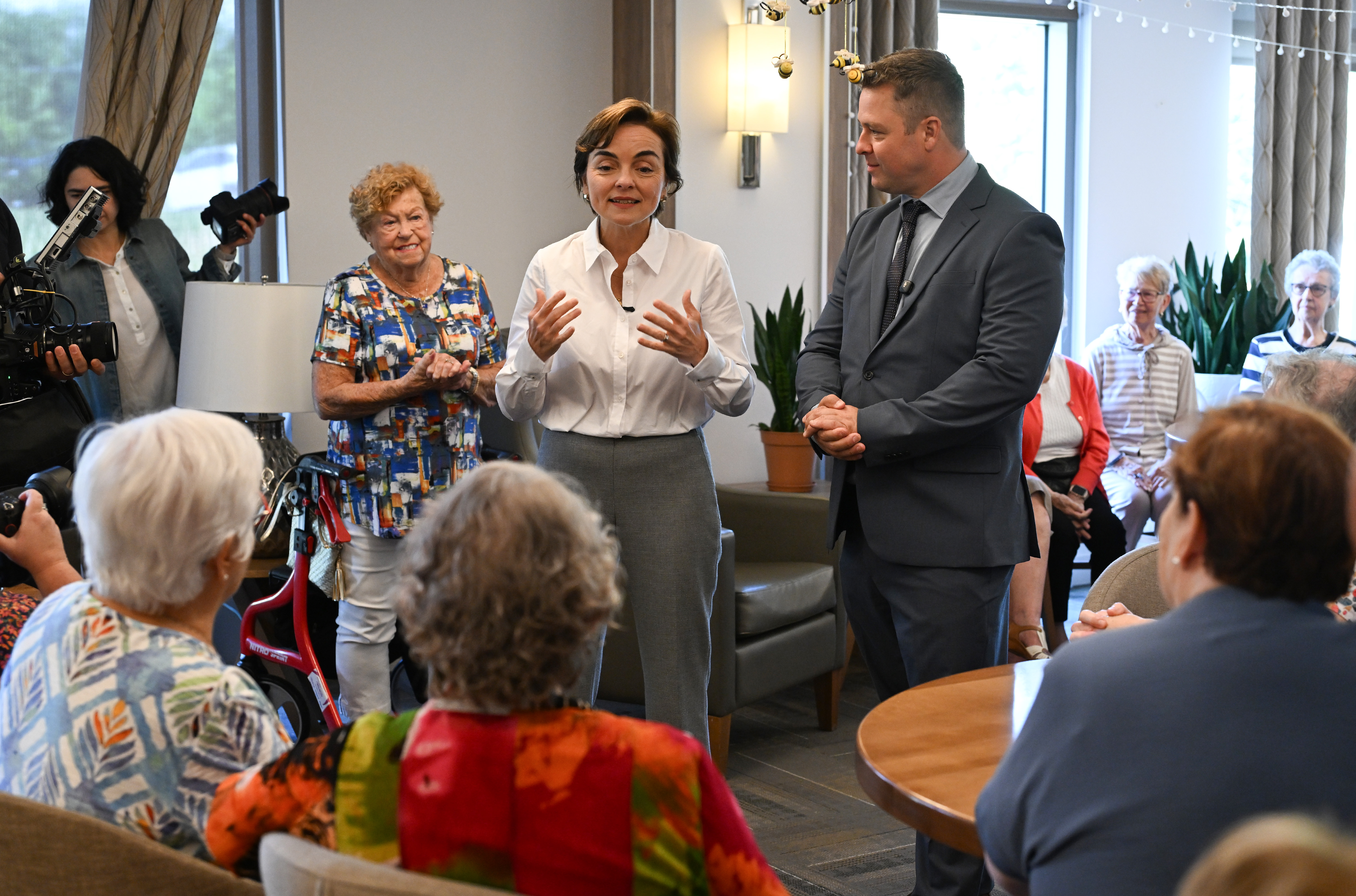 Coalition Avenir Quebec Leader Christine Frechette speaks to elderly people in a residence in Quebec City on Sept. 2, 2026. (The Canadian Press/Jacques Boissinot)
Québec solidaire, meanwhile, is promising measures such as rent control and social housing to address cost-of-living issues.
 Quebec Conservative Leader Eric Duhaime walks out of a cheese factory while campaigning in Quebec City on Sept. 1, 2026. (The Canadian Press/Jacques Boissinot)
Party Promises
CAQ’s Fréchette said her plan to cut taxes for working seniors would apply to those aged 65 and older who work in certain essential services experiencing a labour shortage, such as teachers, daycare workers, and personal support workers.
In addition, CAQ pledged to raise the province’s current tax credit for seniors 70 or older from its current maximum of $2,000 to $2,200 starting in the 2026 tax year, noting that roughly 1.1 million seniors currently get the credit and approximately 467,500 get the maximum amount. Fréchette became Quebec premier on April 15 of this year after former Premier François Legault resigned after almost eight years leading the CAQ government.
Meanwhile, the PQ has said that, in addition to cutting business taxes, it would reduce the number of non-permanent residents in Quebec to between 250,000 and 300,000 by the end of a four-year mandate, while lowering permanent immigration to about 35,000 new residents per year.
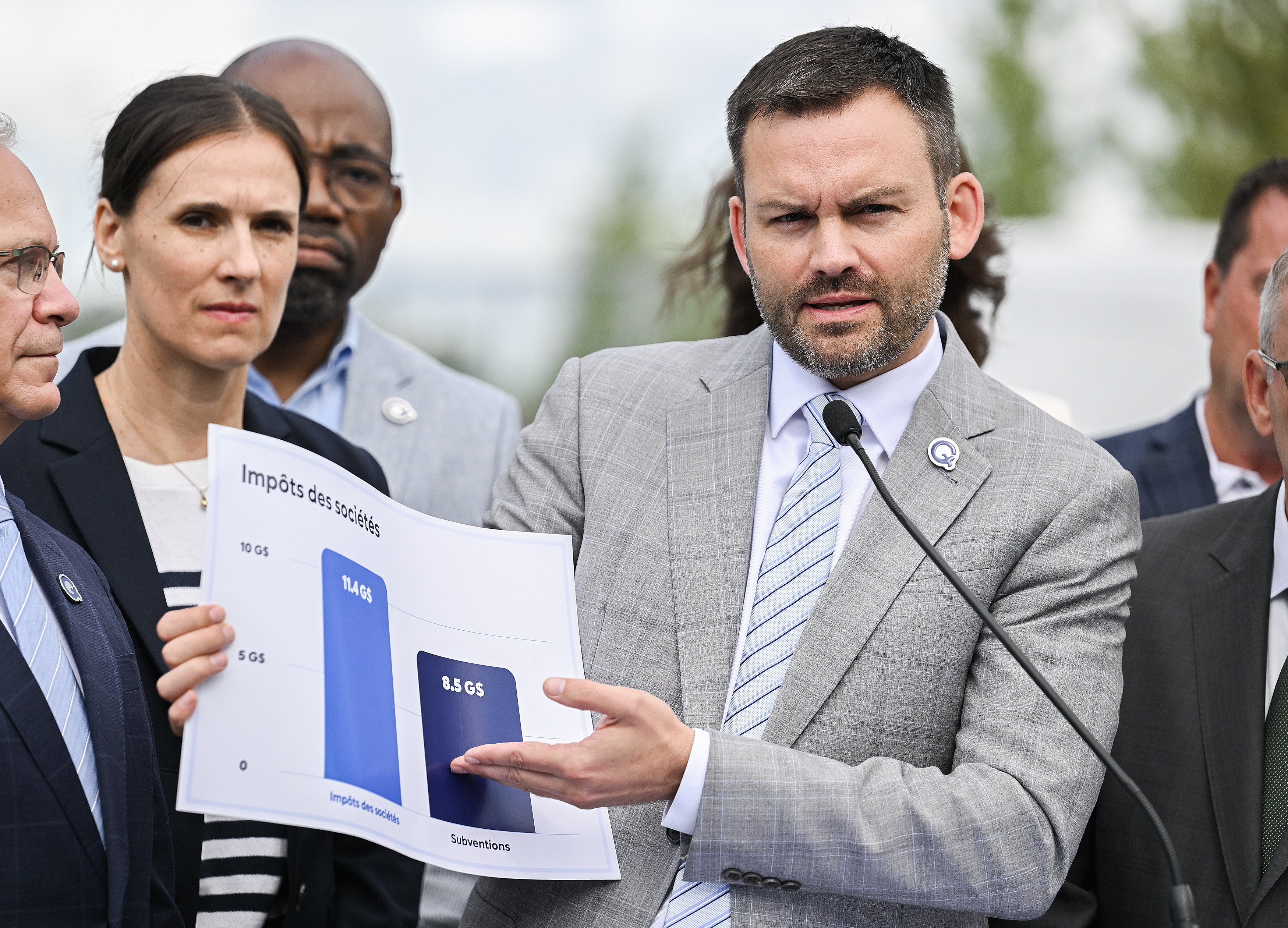 Parti Québécois Leader Paul St-Pierre Plamondon speaks during an election campaign stop outside the site of the cancelled Northvolt plant in McMasterville, Que., on Aug. 28, 2026. (The Canadian Press/Graham Hughes)
Québec solidaire has proposed to only allow annual rent increases to go up by a maximum of 3 percent, building 50,000 more social-housing units, and giving more help to first-time homebuyers.
The party has also said it will establish 15 publicly run grocery stores in the province that it says would boost competition and lower prices.
The Quebec Conservatives say their proposal to raise the basic personal amount in Quebec from $18,952 to $35,242 could save a typical Quebec household $8,726 over five years, and add that combined with their planned reductions in taxes and fuel levies, these measures could amount to $11,166 in total savings for the typical Quebec household over five years.
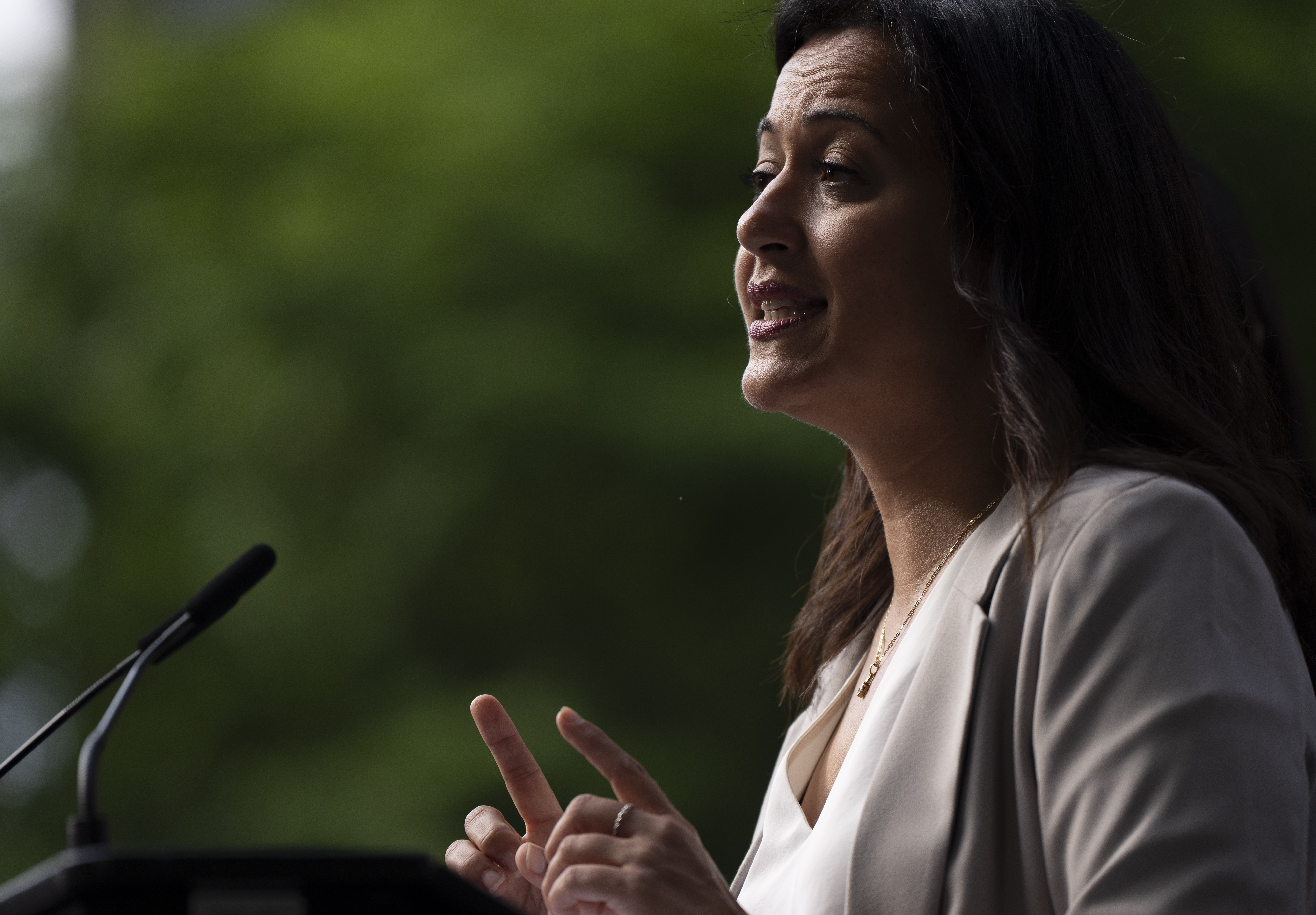 Quebec Solidaire co-spokesperson Ruba Ghazal speaks during a campaign stop in Montreal on Sept. 3, 2026. (The Canadian Press/Christinne Muschi)
Quebec Election
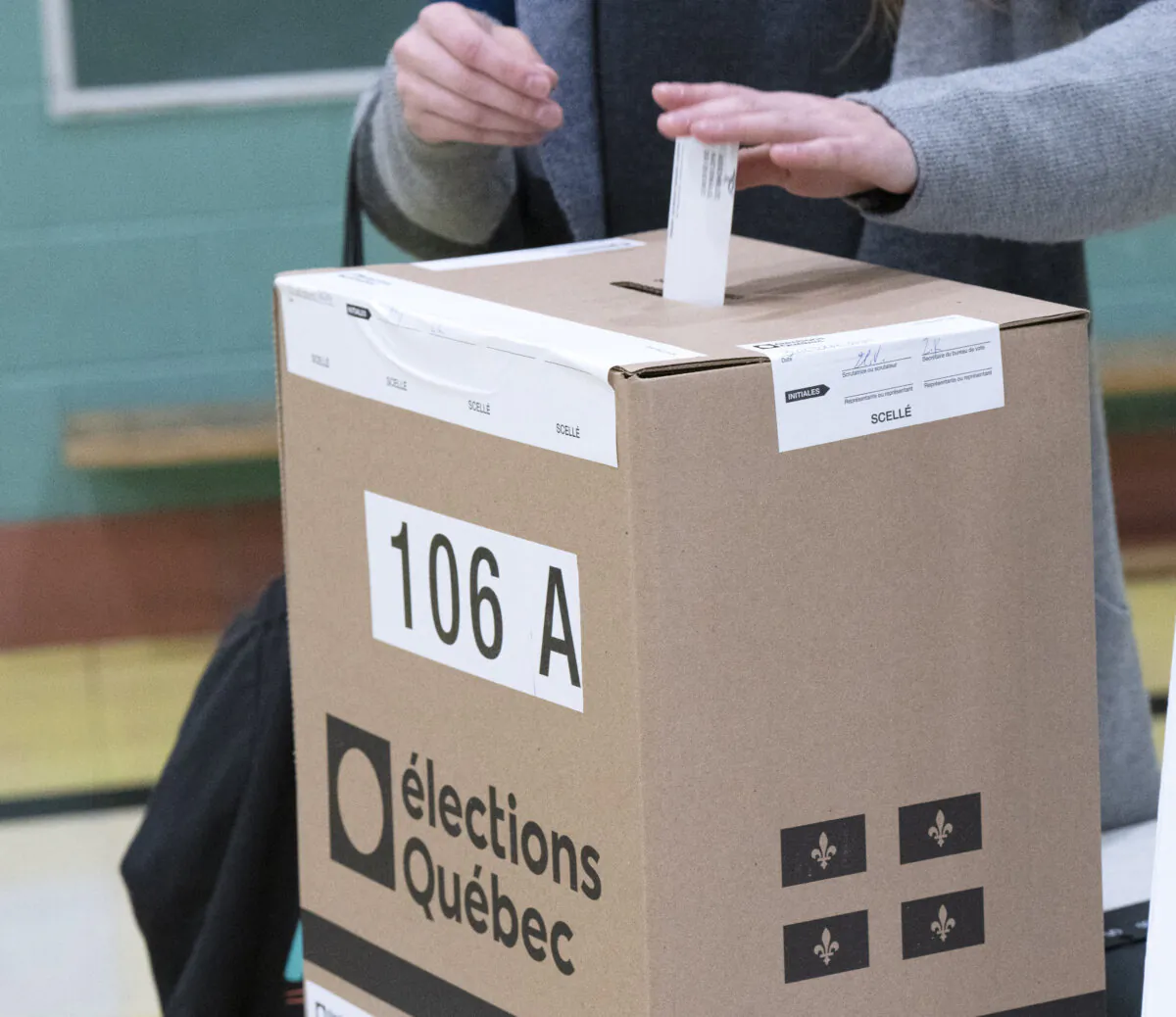
The Quebec National Assembly was dissolved on Aug. 27 for the election, meaning the proposals could only be introduced by whichever party forms the provincial government after the Oct. 5 vote.
Approximately 6.4 million Quebecers are registered to vote in the upcoming election, which will be held in 127 electoral districts.
The most recent poll released by Leger Sept. 1 and conducted Aug. 28 to 31 found the Parti Québécois in the lead at 29 percent among decided voters, followed by CAQ at 24 percent, the Quebec Liberals at 22 percent, Quebec Conservatives at 15 percent, and Québec solidaire at 10 percent.
The poll noted that 42 percent of decided voters said they have not yet made a final choice.
 Friends Read Free
Copy
Facebook
Tweet
Friends Read Free
Copy
Facebook
Tweet