
The Queensland LNP government has backed coal to continue powering the state and bringing down energy prices, while in the process shredding a previous Labor pledge to phase out coal-fired power by 2035.
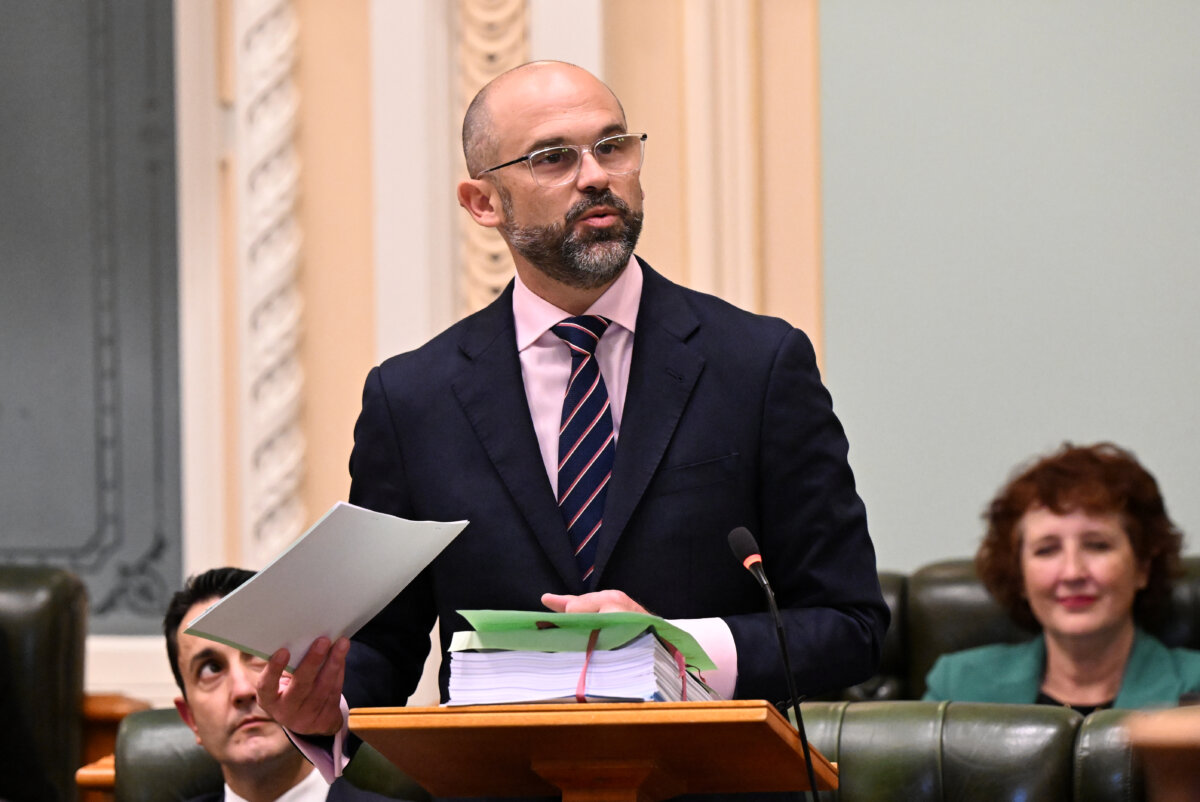
Queensland Treasurer David Janetzki revealed the long-earmarked five-year Energy Roadmap, which shows the Liberal National Party’s (LNP) will continue leveraging existing energy assets, rather than relying on building new ones.
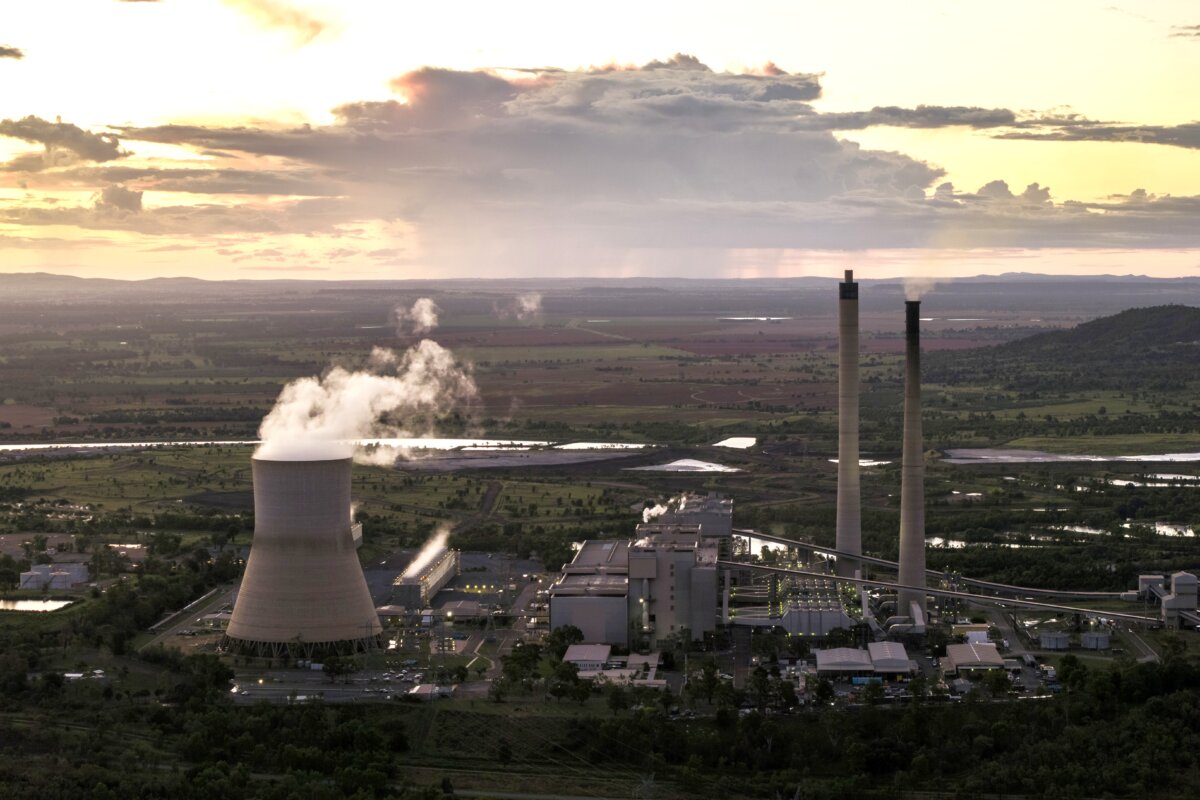
“State-owned coal assets will continue operating for as long as needed in Queensland’s electricity system and supported by the market,” Janetzki wrote in the Roadmap.
The minister also said coal-fired power plants will operate until the end of their technical lives with the option to “extend into the future where needed”—meaning facilities will likely continue burning until the 2040s (pdf).
The government spruiked the cost savings to consumers estimating it will save $1,035 per household and $26 billion for the state, compared to if Queensland continued to pursue Labor’s net zero goals.
“The former Labor government’s ideological decision to close coal units by 2035, regardless of their condition, is officially abolished,” Janetzki said in a statement.
“Queensland’s coal-fired fleet is the youngest in the country and state-owned coal generators will continue to operate for as long as they are needed in the system and supported by the market.”
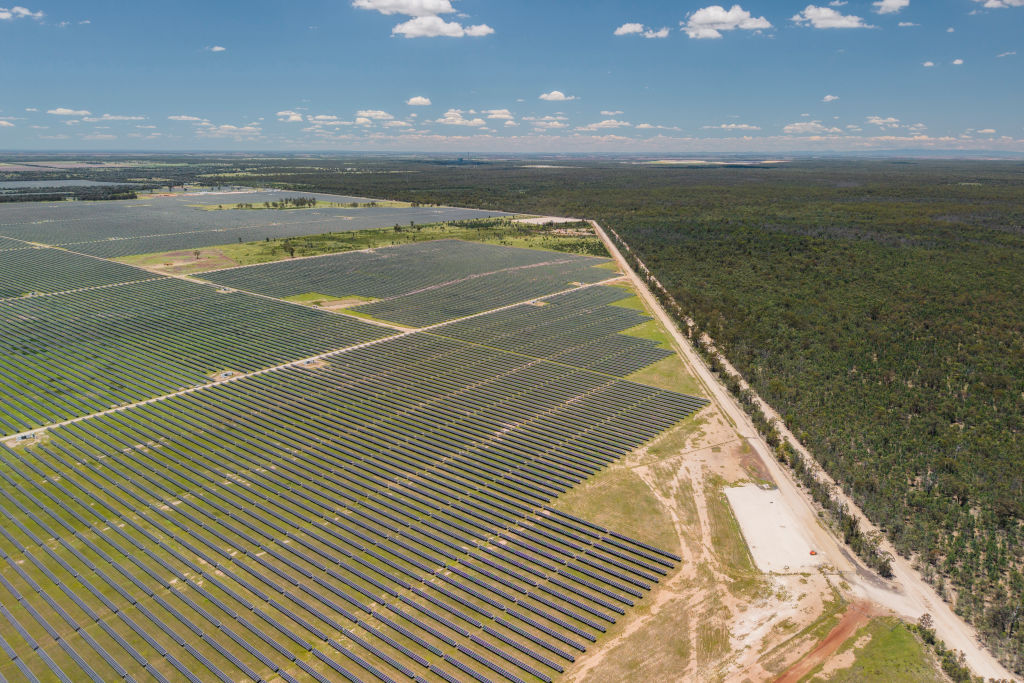
Labor had legislated the net zero targets of: 50 percent renewable generation by 2030, 70 percent by 2032, and 80 percent by 2035.
The LNP will move to repeal these targets next week.
Since coming to power, the government has made several moves to distance itself from Labor’s net zero ambitions, including the cancellation of major renewable projects.
What Else is in the Roadmap?
On top of this, the Queensland government will set up a $1.6 billion Electricity Maintenance Guarantee aimed at maintaining existing coal, hydro, and gas assets. A 2021 explosion at the Callide Power Station has been blamed on a lack of investment in maintenance.
Further, the Queensland Investment Corporation has been tasked with attracting private capital to invest in energy generation and storage assets.
There will also be tenders for private sector interest in building a new gas generating asset in central Queensland for an additional 400 megawatts of capacity.
Renewable energy developers will also be waiting for a new Code of Conduct to “address outstanding community concerns and provide clarity to industry over government expectations of conduct towards landholders, neighbours, and communities.”
Other measures include $10 million for community-level battery storage, and ongoing transmission infrastructure work like the Eastern Link of CopperString in North Queensland and beginning of work on the Western Link.
Labor and Climate Groups Critical of Plan
Shadow energy spokesperson Lance McCallum said the plan would test whether the LNP government could provide certainty to renewable energy investor or appeal to “anti-renewable” party members.
“If they strive to achieve the former, the Crisafulli LNP government’s Energy Road Map will provide certainty to renewable energy investors, industry, and Queenslanders,” he wrote on Facebook.
“They will provide this certainty with renewable generation, emission targets, and closure dates of coal-fired power plants,” McCallum said.
“But I fear the premier will instead force his energy minister to deliver a vague energy plan with the goal to not alienate anti-renewable ideologues.”
The Queensland Conservation Council said continuing the use of coal-fired power and gas was a recipe for “higher power bills and less reliable energy.”
“Queensland’s coal power stations are increasingly unreliable as they age. They were offline a staggering 78 times over the last summer period because they keep breaking down,” said Director Dave Copeman, in a statement.
“The treasurer’s savings claims crumble under the slightest bit of scrutiny. Their modelling doesn’t factor in that we have to replace coal at some point, and completely ignores costs associated with burning coal and gas for longer.”
Plan is Realistic: Think Tank
There was support from some quarters.
Graham Young, executive director of the Australian Institute for Progress, said the plan was realistic.
“The previous government had hard deadlines for retiring existing power assets even though the rate of installation of wind and solar is not fast enough to replace the power generation that would be lost. This would inevitably have led to blackouts and business flight,” he said in an email.
“The new plan is correct to focus on reliability, and this requires multiple redundancies in the system. Intermittent resources need to be backed-up by storage, as well as reliable generation like gas and coal.
“Any system that takes the intermittents out before building the rest of the network will cause havoc in the network and there will be a high personal and economic cost for Queenslanders to pay for this.”
He also said claims that keeping coal-fired going would raise prices were inaccurate.
“The general complaint is that this plan will put power prices up. It is hard to see how this could be the case and is contradicted by the government’s modelling.
“What can’t be contradicted is that since 2007 when Australia signed the Kyoto protocol electricity prices have increased around 120 percent despite many of the same groups swearing that they would be lower because, ‘Renewables are the cheapest form of energy.'”
 Friends Read Free
Copy
Facebook
Tweet
Friends Read Free
Copy
Facebook
Tweet