
The Reserve Bank of Australia (RBA) has raised interest rates for the second consecutive month, citing mounting inflation risks amplified by escalating conflict in the Middle East.
In a narrow five–four decision on March 17, the central bank’s monetary policy board raised the cash rate by 25 basis points to 4.1 percent, after a similar increase in February.
This is the first series of rate increases since December 2024, when the RBA first began cutting rates after raising them from the historically low pandemic years.
The latest move comes in response to the ongoing 3.8 percent inflation rate, which sits above the RBA’s 2–3 percent target band.
“A longer or more severe conflict could put further upward pressure on global energy prices; this will push up near-term inflation and could also increase inflation further out if it impairs supply capacity or price rises get built into longer term inflation expectations,” the RBA said in its statement.
“Higher prices and prolonged uncertainty may cause growth to be lower in Australia’s major trading partners and also in Australia.
“In light of these considerations, the board judged that inflation is likely to remain above target for some time and that the risks have tilted further to the upside, including to inflation expectations. It was therefore appropriate to increase the cash rate target.”
The board also said it would closely monitor developments in the global economy and financial markets, as well as broader economic trends, to guide its future decisions, while not ruling out further rate hikes.
“The board is focused on its mandate to deliver price stability and full employment. It will do what it considers necessary to achieve that outcome,” it said.
Treasurer’s Response
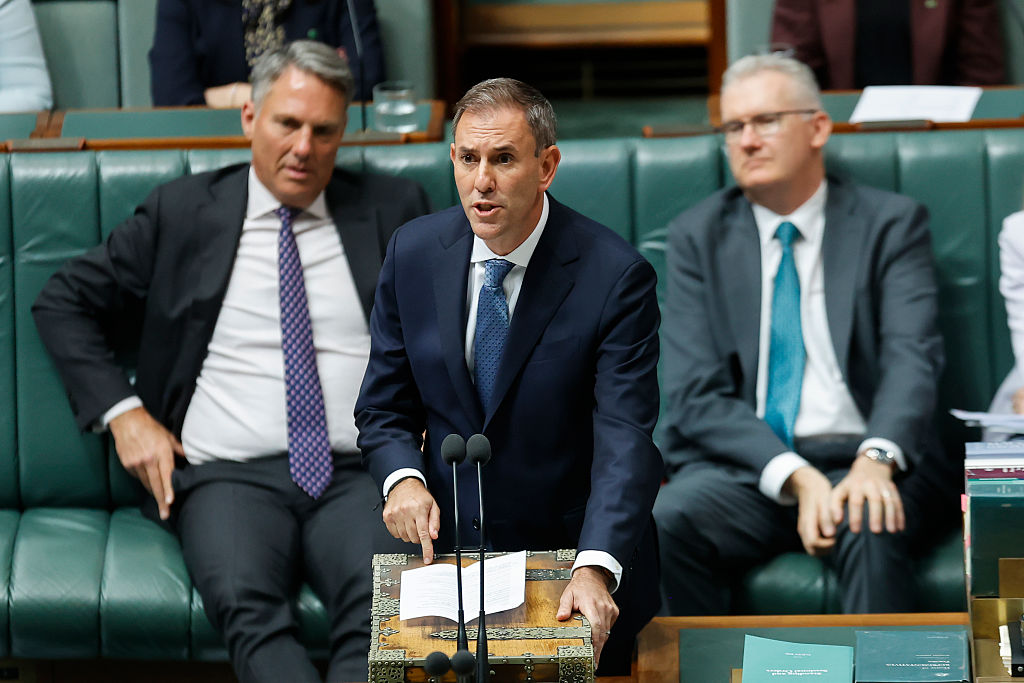
Following the RBA’s decision, Treasurer Jim Chalmers said it would be “really tough news” for millions of Australian mortgage holders.
“At a time of immense global instability, this will put even more pressure on families and businesses. While today’s decision was expected by many, that doesn’t make it any easier,” he said.
“Many Australians were already doing it tough and are now feeling the impact of conflict in the Middle East through higher petrol prices as well.”
Chalmers said Australia’s current inflation challenge was the result of a mix of temporary and persistent factors, including the end of energy rebates. He also denied that government spending was contributing to high prices.
“The [RBA] board’s statement today does not mention government spending. As the RBA has made clear repeatedly this year, the pressure on inflation at the end of last year came from stronger than expected growth in private demand,” he said.
Meanwhile, the opposition has renewed its criticism of the government’s economic management.
“We’ve just seen the 14th interest rate increase in four years under this Labor government,” Opposition Leader Angus Taylor said on social media.
“This inflation was already out of control before the crisis in the Middle East and yet this government hasn’t dealt with it.”
Taylor then stressed that addressing Australia’s inflation problem requires controlling the growth in government spending and the federal budget.
 Friends Read Free
Copy
Facebook
Tweet
Friends Read Free
Copy
Facebook
Tweet