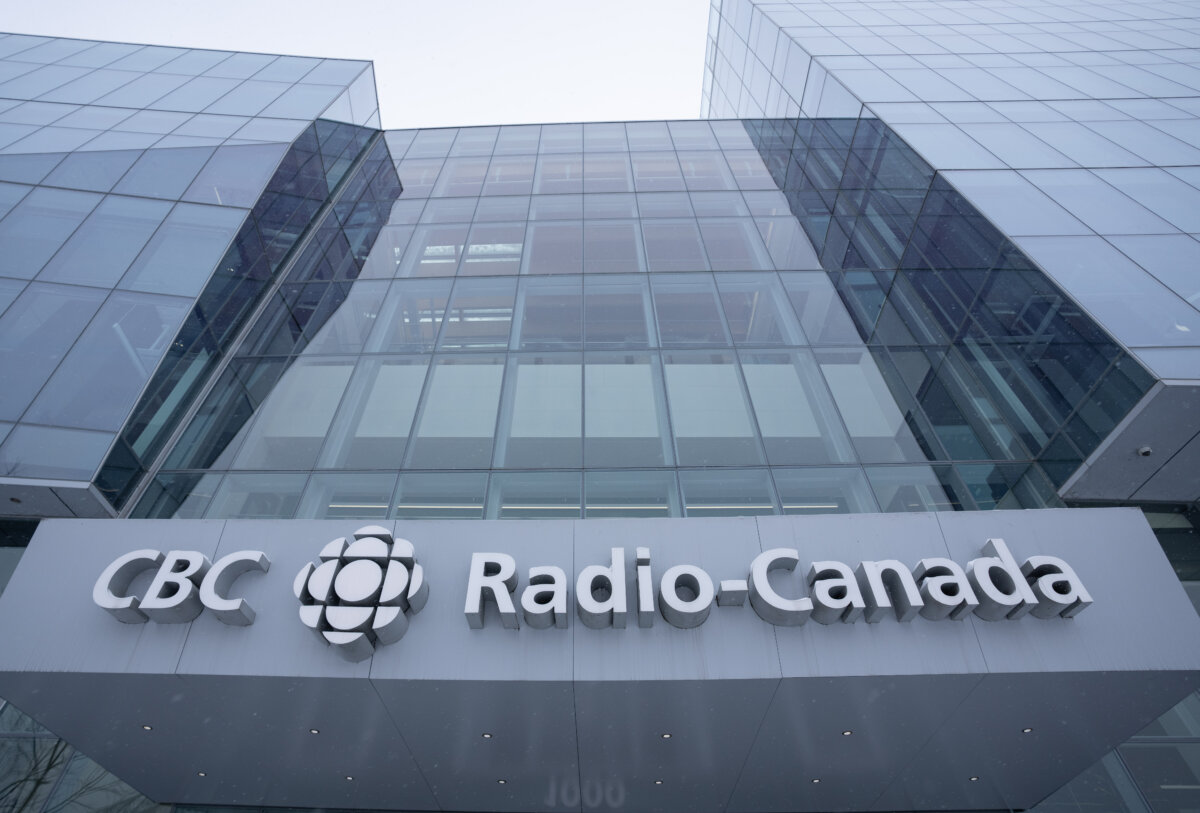

The U.S. Republican Party has withdrawn CBC/Radio-Canada’s press credentials for its upcoming midterm convention, citing the broadcaster’s earlier policy against designating the 9/11 attacks as “terrorism” except when quoting a source.
CBC head of public affairs Chuck Thompson has confirmed the Republican National Convention (RNC) has officially revoked access for both CBC and Radio-Canada to the party event in Dallas, Texas, on Sept. 9 and 10 as the midterm elections approach.
“It is a disappointing development; we hope it will be reconsidered,” Thompson said in an emailed statement, adding that the public broadcaster is reviewing the RNC’s decision.
The decision follows widespread criticism of CBC’s policy after an internal memo from the broadcaster was leaked to the media on Aug. 27, ahead of the 25th anniversary of the 9/11 attacks.
The memo from CBC News senior director of journalistic standards and public trust Basem Boshra told staff not to “refer to the Sept. 11 attacks as terrorist attacks” and instead follow the broadcaster’s policy of attributing the terms “terrorist” and “terrorism” to their sources.
Convention organizers did not respond to a request for comment before publication. The RNC sent a letter to CBC/Radio-Canada on Aug. 28 accusing the network of refusing to apologize for its policy.
In revoking the public broadcaster’s previously approved press credentials to the Texas convention, the RNC said that allowing CBC journalists to attend the event would be an “insult” to victims of the deadliest terrorist attack in U.S. history.
The letter followed criticism from several other political figures last week. FBI Director Kash Patel described it as “an insult to the souls lost during our largest terrorist attack in US history.” He went on to say that any organization who takes this stance “will no longer have [a] friend in this FBI.”
Chair of the U.S. House Republican Conference Lisa McClain also commented, demanding an apology from “the radical left” in Canada.
“Apologize to America,” she wrote on social media. “Apologize to the victims and their families.”
Republican members of the U.S. House of Representatives also took to social media, writing “What possible motive could there be for sanitizing the worst terrorist attack on American soil? Care to explain, Canada?”
Policy Reversal
The backlash led to a policy reversal by the CBC that was outlined in a blog post by Boshra posted just before 5 p.m. on Aug. 28.
“After reviewing our current language guidance, we have decided to adjust it to clarify that direct attribution is not required for describing the historic events of 9/11 as terrorism,” Boshra wrote. “We are doing so to remove what has unfortunately (and unintentionally) become an impediment to clarity and public understanding.”
Boshra also said his leaked memo was “published and amplified by a number of outlets without full context or explanation,” noting that the CBC has reported on 9/11 with “thousands of stories” that offer an “unflinching account of the devastating attacks by al-Qaeda.”
The reversal comes after CBC previously defended its editorial policy, describing it as standard journalistic practice to use “extreme caution before using the words terrorist and terrorism.”
The Republican Party’s decision to revoke CBC’s credentials follows a move by the U.S. Treasury Department to revoke credentials for reporters from The New York Times, Bloomberg News, and The Wall Street Journal to cover the Group of 20 finance meeting this week in North Carolina, according to reports from several U.S. media outlets.
The Republican Party’s decision to revoke CBC’s credentials also comes at a time when tensions between Canada and the United States have escalated, marked by a fresh round of reciprocal sanctions and intense rhetoric from politicians on both sides of the border.
The revocation means the CBC and its affiliates will be barred from covering the convention in the lead up to the country’s midterm elections, a round of general elections held near the midpoint of a president’s four-year term of office.
Federal offices up for election during the midterms include all 435 Congressional seats in the United States House of Representatives, as well as one-third of the 100 seats in the United States Senate.
Midterm elections give the opposing party—in this case the Democrats—a chance to gain seats in one or both houses of Congress.
 Friends Read Free
Copy
Facebook
Tweet
Friends Read Free
Copy
Facebook
Tweet