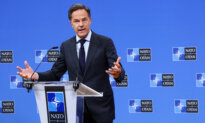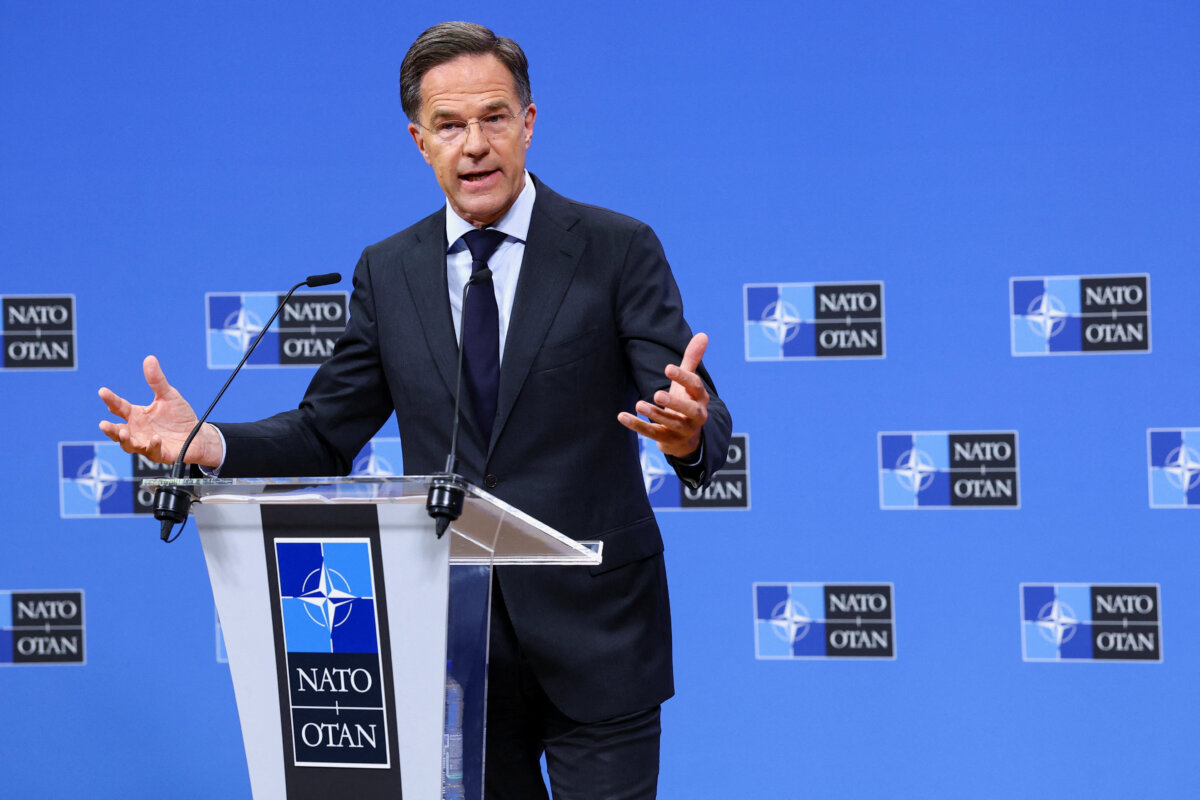

NATO Secretary-General Mark Rutte said European allies and Canada are now more capable and ready to take on further responsibility within the alliance as the United States adjusts its pledges to the NATO Force Model.
The remarks came two weeks after U.S. officials informed NATO allies that Washington would reduce its contributions to the Force Model, a framework that identifies which military forces member states would provide during a crisis or conflict.
Rutte said on June 17, ahead of a meeting of NATO defense ministers in Brussels, that the alliance had “looked at the division of labour in the context of conventional forces” and concluded that European members and Canada are “ready, willing, and able to do more.”
The U.S. adjustments concern future force commitments under NATO’s defense plans, he said during a press conference, rather than the immediate deployment of troops and equipment.
“Historically this was overly reliant on the [United States],” Rutte said. “Now the U.S. has adjusted its pledged contributions – and other Allies have stepped up to contribute more.”
He described the transition as fair and said it would strengthen the alliance by creating a stronger European pillar within NATO.
Rutte said the United States continues to provide a credible nuclear deterrent while European allies and Canada increase their contributions on the conventional military side.
Burden Sharing
The Trump administration has repeatedly called on European allies to spend more on defense and assume greater responsibility for regional security.
The U.S. European Command announced on June 3 that Washington would “rightsize” its contributions to NATO forces in line with the Trump administration’s 2026 National Defense Strategy.
The strategy said that Washington wants European allies and other partners to take more responsibility for their own defense, with limited support from U.S. forces.
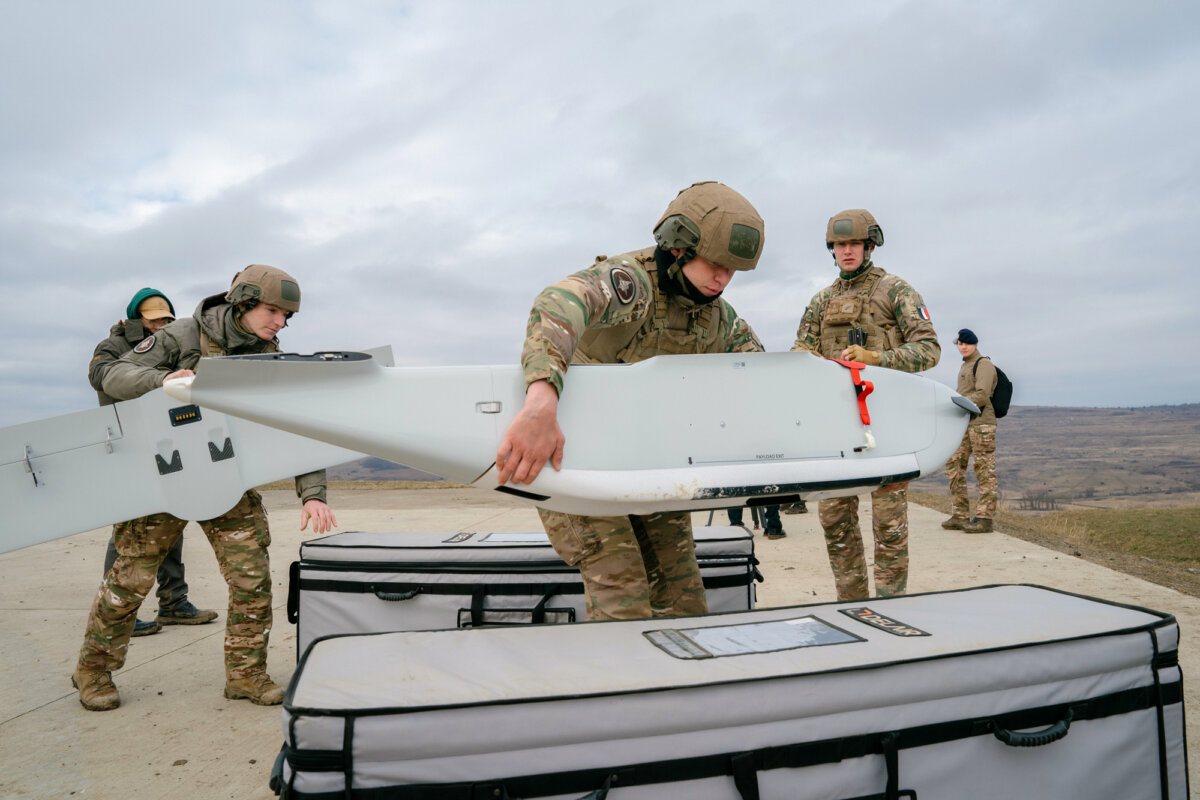
U.S. Air Force Gen. Alexus Grynkewich, who leads U.S. European Command and serves as NATO’s Supreme Allied Commander Europe, said on June 3 that the move reflects the possibility that the United States could face conflicts in more than one region simultaneously.
Grynkewich said the revised force structure would make NATO’s defense plans more realistic and reduce dependence on military resources that the United States may need elsewhere.
He identified aircraft and naval capabilities as areas where allies can immediately expand their role.
Spending
Rutte rejected suggestions that Washington is “pulling away” from its NATO allies. Instead, he said the changes reflect a broader effort to distribute defense responsibilities more evenly across the alliance.
The United States “has made clear that it is committed to NATO,” Rutte said. “That commitment comes with an expectation that allies will more fairly share the responsibility for our security here in Europe.”
European NATO members and Canada increased core defense spending by more than $90 billion in 2025, Rutte said, representing nearly a 20 percent increase from the previous year. Additional spending increases are already planned for 2026.
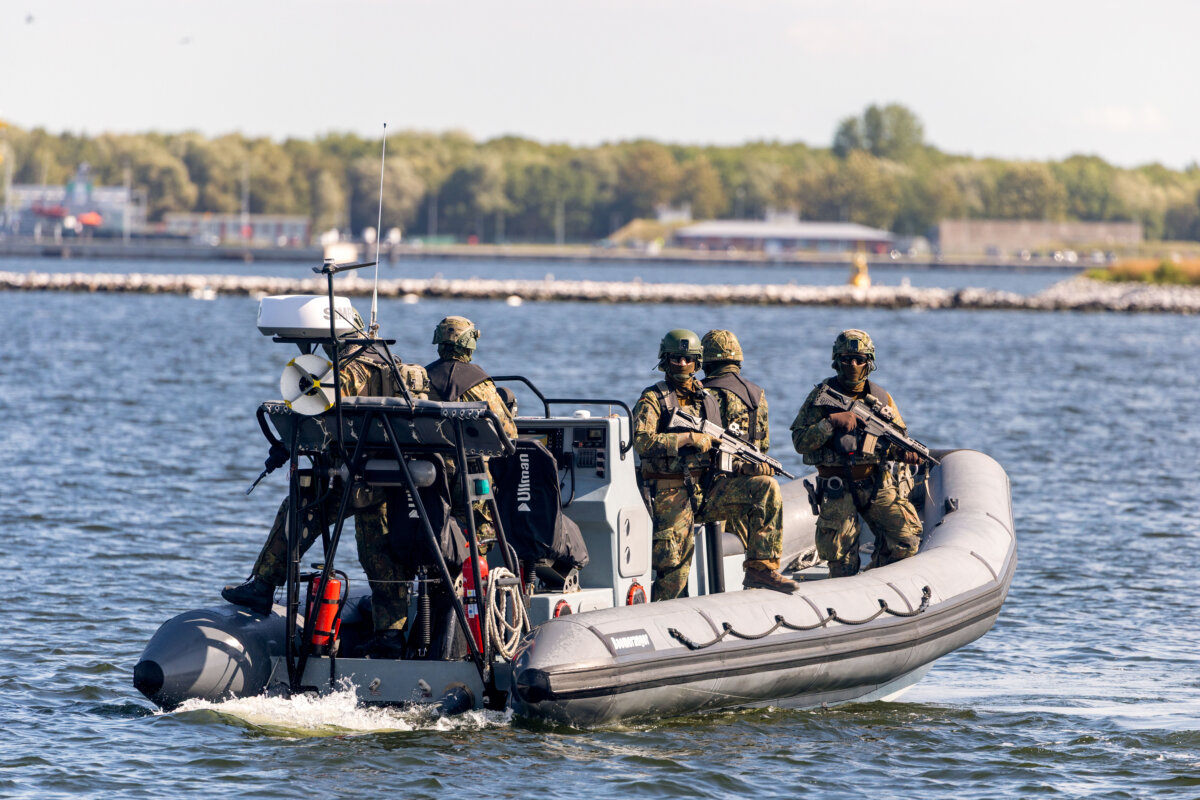
The burden-sharing debate comes as NATO members work toward a target agreed at the alliance’s summit in The Hague last year. Rutte said allies committed to spending 5 percent of gross domestic product on defense by 2035 and should present detailed plans to achieve that goal.
“I expect nations to present clear, concrete and credible plans to reach that goal,” he said.
The issue is expected to feature prominently at the July NATO summit in Ankara.
U.S. Ambassador to NATO Matthew Whitaker said in a June 10 post on X that Trump expects allies to meet NATO’s target of spending 5 percent of gross domestic product on defense
“This should include building resilience by investing in secure critical infrastructure and avoiding untrusted technology,” he added.
Ukraine
Despite the focus on NATO force planning, Rutte said continued support for Ukraine remains a central issue for the alliance. He said NATO members must continue providing military assistance to Kyiv.
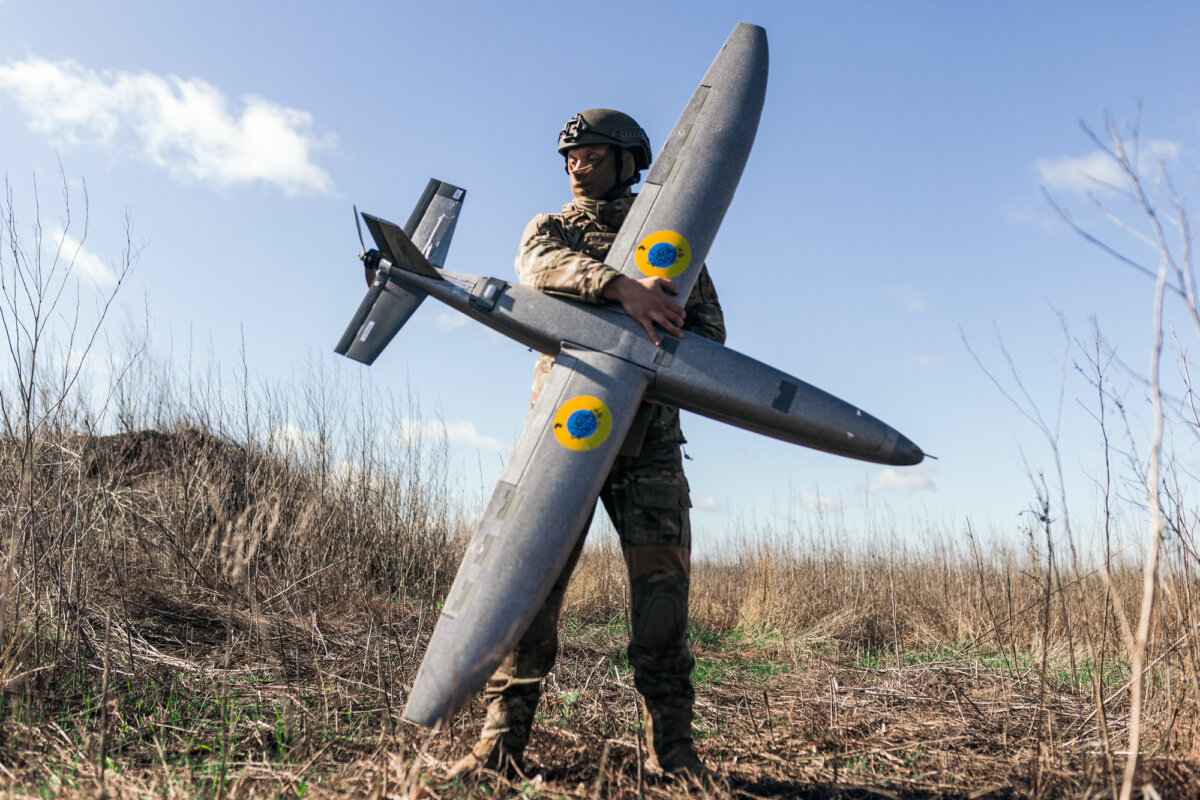
NATO allies have already supplied billions of dollars worth of artillery, ammunition, and other aid, he said, adding that continued support remains necessary.
The issue will be discussed during a meeting of the Ukraine Defence Contact Group, which the UK and Germany will co-chair alongside the NATO ministerial meetings in Brussels.
Guy Birchall contributed to this report.
 Friends Read Free
Copy
Facebook
Tweet
Friends Read Free
Copy
Facebook
Tweet