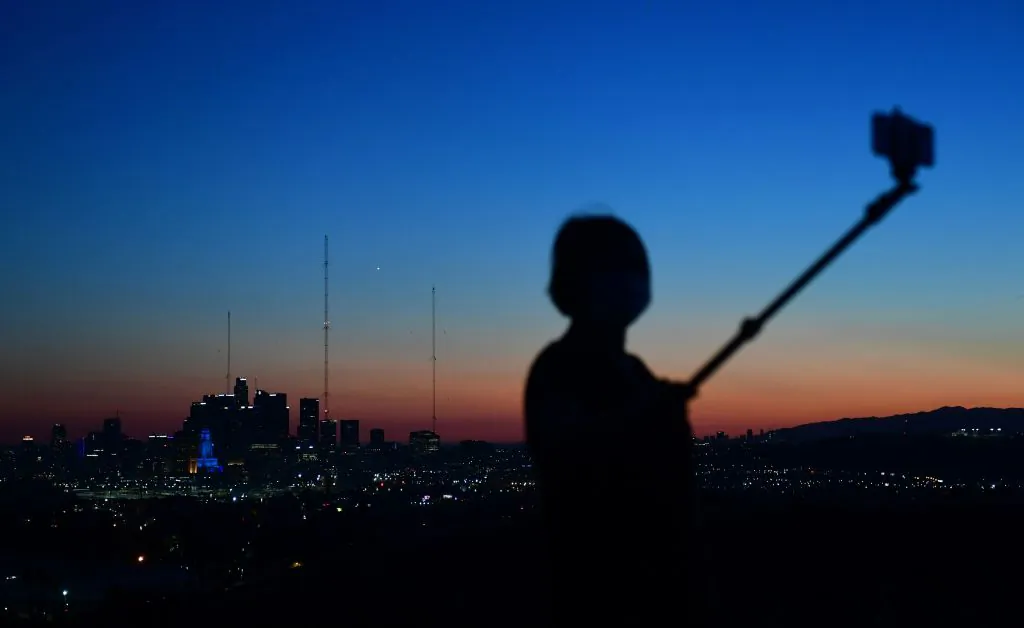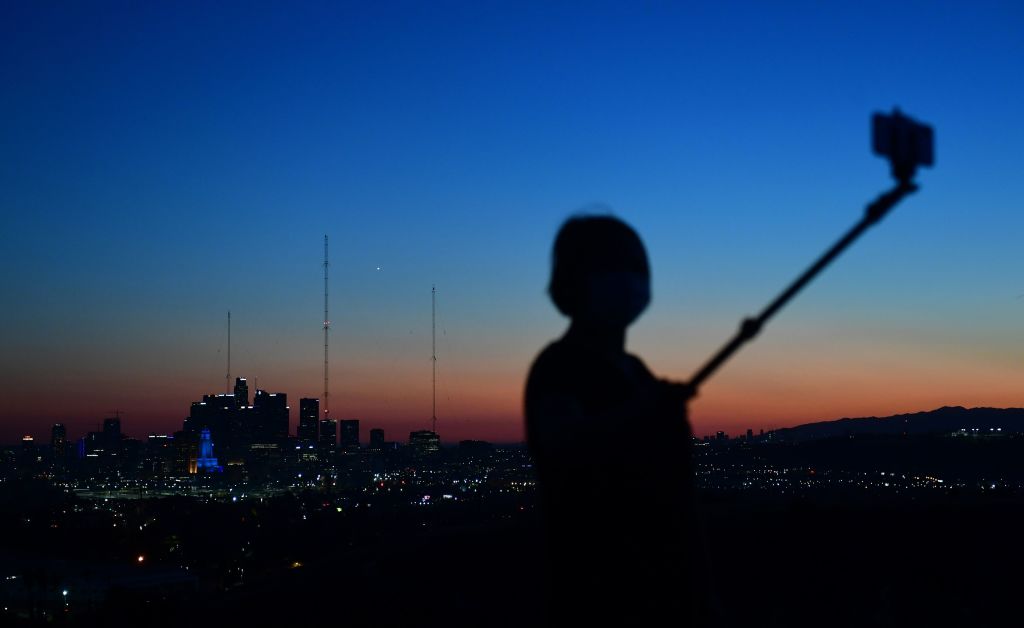

A University of New South Wales (UNSW) led study has shed light on selfie incidents in Australia and the United States.
Researchers concluded selfie-related incidents are a public health problem, not just a social fad or trend.
Falls from cliff edges were found to be the prevailing reason for selfie-related deaths in Australia and the United States in aquatic locations.
Women and girls were found to be more likely to be impacted by selfie-related deaths at aquatic locations in Australia and the U.S, among media reports analysed for the study.
The mean age of selfie incident victims was 23.5 from a review of literature, while media report analysis found the mean age to be 22.1.
The research was published in the Journal of Medical and Internet Research, a prominent peer-reviewed journal for digital medicine and health.
Authors Samuel Cornell, Robert Brander, and Amy Peden, all from UNSW, found that selfie-related injuries had become a health concern amid pervasive use of smartphones and social media apps.
“The selfie-related incident phenomenon should be viewed as a public health problem that requires a public health risk communication response,” the researchers concluded.
The authors noted little attention has been paid to averting selfie-related incidents through “behavior change methodologies” or “direct messaging to users” via social media apps.
“Although previous research has recommended ‘no selfie zones,’ barriers, and signage as ways to prevent selfie incidents, our results suggest this may not be enough, and it may be prudent to also engage in direct safety messaging to social media users,” they said.
Researchers screened peer-reviewed literature published since January 2011 for causes of selfie-related deaths and injuries. Media reports in Australia and the United States were also examined.
The finding that young women and girls were more likely to be impacted contrasts with other research into selfie incidents, the researchers said.
“Our finding may contrast with other research due to the particular interest we have taken both geographically (Australia and the United States) and in terms of the type of incident (aquatic); furthermore, our sample size was small—but only due to the specific nature of our query,” the researchers said.
Public Health Strategies
Researchers suggested countries with lots of tourists, like Australia and the United States need to come up with strategies to “communicate the danger of taking selfies,” especially when alone.
“It may be necessary for land management organizations such as national parks and local councils to devise specific communication and engineering strategies that are tailored to their locales to prevent selfie-related injuries and deaths,” they said.
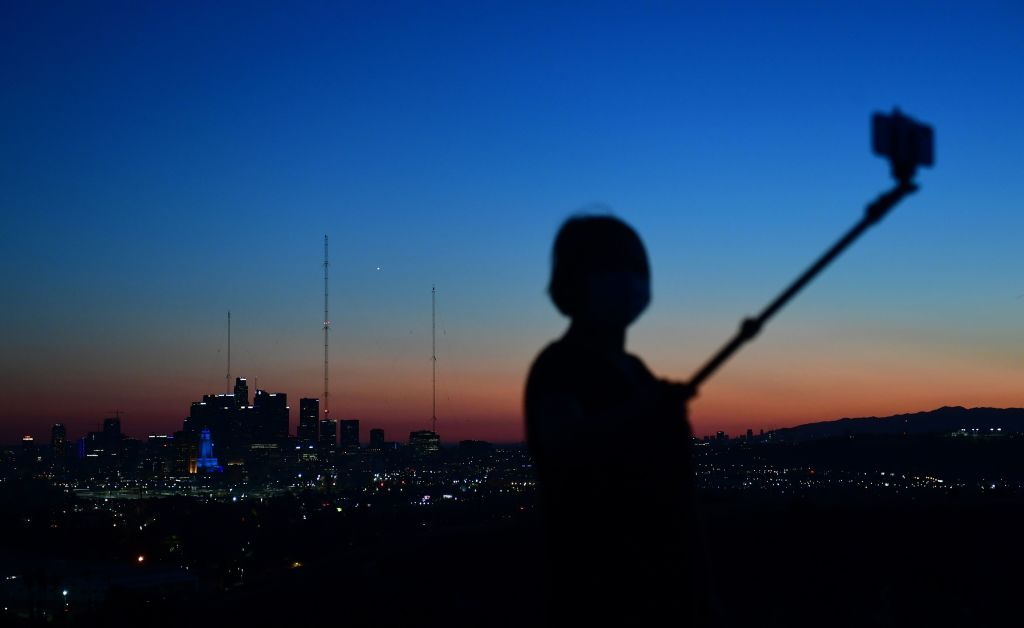
The researchers cited a number of incidents where people had tragically died or been injured while taking a selfie.
In Australia, a 33-year-old tourist slipped down a cliff face while taking a selfie at Kangaroo Point Cliffs, Brisbane, in 2021.
Meanwhile, in Sydney, a 21-year-old British backpacker fell to from a cliff in 2020 while taking a selfie at Diamond Bay Reserve in Vaucluse, Sydney.

Accidental falls have more than doubled in the last decade since 2012, Australian Bureau of Statistics data shows.
Deaths from accidental falls are now the leading external cause of death in Australia, while it was 18th a decade ago. Overall, it is the 11th leading cause of death.
 Friends Read Free
Copy
Facebook
Tweet
Friends Read Free
Copy
Facebook
Tweet