
Slovakia on Feb. 23 said it would refuse any requests from Ukraine for emergency electricity supplies until oil flows resume via the Russian Druzhba oil pipeline.
Both Slovakia and Hungary have been cut off from shipments of Russian oil since Jan. 27, when Kyiv said that pipeline equipment was damaged by a Russian strike in western Ukraine. Ukraine says it has been working to fix the damage as fast as it can.
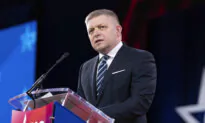
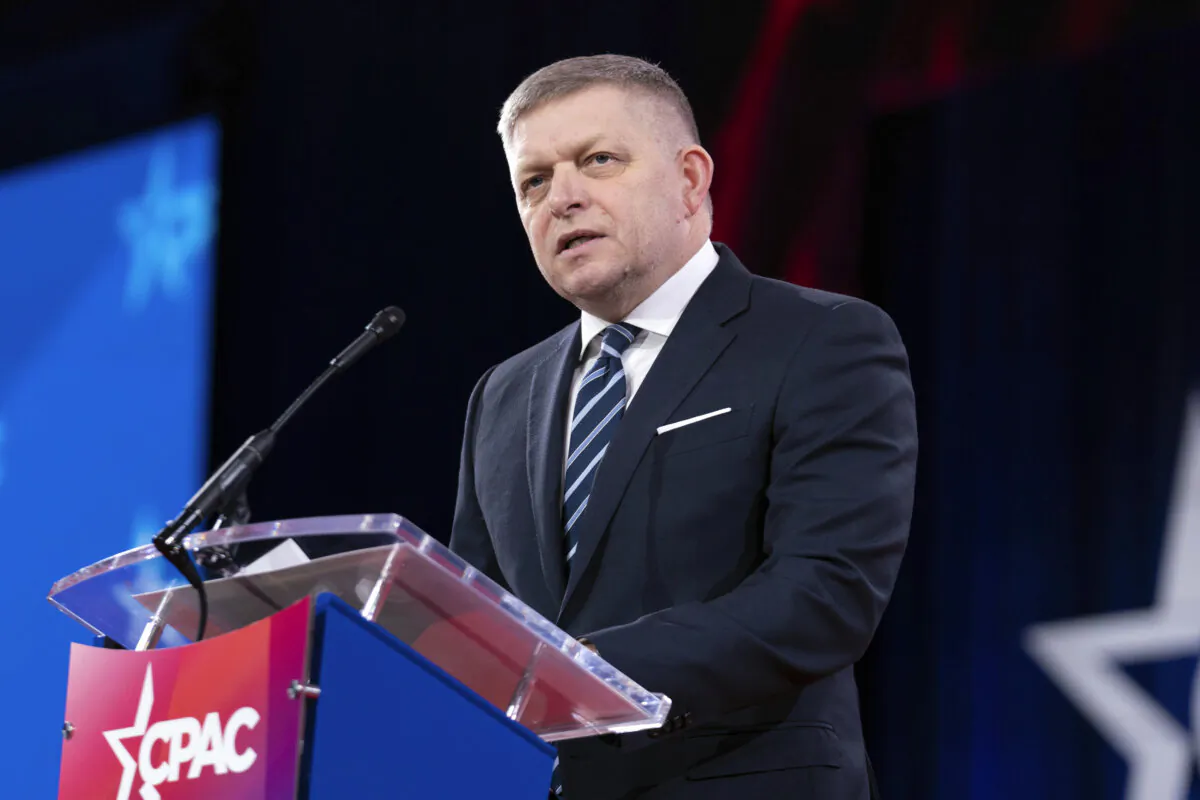
Slovak Prime Minister Robert Fico said in a statement that starting Monday, “if the Ukrainian side turns to Slovakia with a request for assistance in stabilizing the Ukrainian energy network, it will not receive such assistance.”
The Slovak prime minister said the measures would be canceled once the flow of oil to his country resumes.
“This is the first reciprocal step that the Slovak government is authorized to take without violating any international rules and obligations,” Fico said.
“If the Ukrainian side continues to harm Slovakia’s interests in the supply of strategic raw materials, the Slovak government will also reconsider its previous constructive stance on Ukraine’s membership in the EU and prepare further measures.”
Hungary likewise has made similar threats.
On Feb. 19, Hungarian Prime Minister Viktor Orban’s chief of staff, Gergely Gulyas, said he was considering cutting off power and gas exports to Ukraine unless Kyiv resumes Russian oil shipments to Hungary via the Druzhba pipeline.
Hungarian Foreign Minister Peter Szijjarto said on Feb. 23 that Budapest would block the European Union’s (EU) next batch of anti-Russia sanctions unless Ukraine immediately restarts the oil pipeline shipments.
‘Blackmail’ Condemned
On Feb. 21, Ukraine’s Ministry of Foreign Affairs (MFA) said in a statement that it “rejects and condemns the ultimatums and blackmail” by Bratislava and Budapest regarding energy supplies.
The MFA said that Kyiv was in “constant contact” with representatives from the European Commission—the EU’s executive branch—regarding the damage to Ukraine’s energy infrastructure caused by Russian air strikes, and has also provided information to Bratislava and Budapest on the impact these attacks have had on the Druzhba’s infrastructure.
“Security and stabilization repair work continues amid daily threats of new missile attacks. Ukraine has also proposed alternative ways to resolve the issue of supplying non-Russian oil to these countries,” the statement said.
The MFA then called on the governments of Hungary and Slovakia “to engage in constructive cooperation and behave responsibly.”
Supplies Not Affected
On Feb. 23, Ukraine’s national power company said that any refusal from Slovakia for emergency electricity supplies would have no effect on the country’s power system.
“The likely halt to emergency electricity supply from Slovakia will in no way affect the situation in Ukraine’s unified power system,” Ukrenergo said in a statement.
Ukrenergo said that emergency assistance from Slovakia is a “rare occurrence,” and the last time Ukraine sought emergency supplies from Slovakia was more than a month ago and in small volumes.

Ukraine can obtain electricity from EU member states either through commercial contracts or in the form of emergency assistance.
Ukrenergo said in a post on Telegram on Feb. 24 that it continues to import energy via commercial contracts from neighboring countries.
“Electricity is being imported from all EU countries neighboring Ukraine and Moldova, according to the results of auctions for the allocation of available capacity at interstate intersections,” the energy company said.
The tension over energy supplies between the eastern European neighbors comes as Ukraine marks four years of conflict with Russia.
“Today marks exactly four years since [Russian President Vladimir] Putin started his three-day push to take Kyiv. And that says a great deal about our resistance, about how Ukraine has fought all this time,” Ukrainian President Volodymyr Zelenskyy wrote in a Feb. 24 post on X.
“Behind those words stand millions of our people, immense courage, incredibly hard work, endurance, and the long path Ukraine has been pursuing since February 24.”
Guy Birchall and Reuters contributed to this report.
 Friends Read Free
Copy
Facebook
Tweet
Friends Read Free
Copy
Facebook
Tweet