
Liberals and Conservatives are currently in talks to reach a compromise that would secure passage of the government’s budget implementation bill.
Budget 2025 narrowly passed 170-168 in the House of Commons in November 2025, with a handful of MPs abstaining or not voting. The Tories, the Bloc Québécois, and the NDP voted against the budget for different reasons.
Budgetary issues are usually considered matters of confidence, and a failure by the House of Commons to support the government may result in the dissolution of Parliament and the calling of a snap election.
The Budget Implementation Act (Bill C-15) has been making its way through the Commons in recent weeks and is currently being reviewed in committee, where MPs could approve amendments before the bill is sent back to the House.
While Tories voted against Budget 2025, in part because of its price tag projecting a deficit of more than $78 billion, they’re currently negotiating with Liberals to have some C-15 provisions struck in order to support the broader bill.
This includes a clause that would allow all ministers to exempt any individual or company from federal laws aside from the Criminal Code. The Liberals say this provision aims to create “regulatory sandboxes” to drive innovation, whereas the Conservatives say this could lead to Liberal insiders benefiting financially.
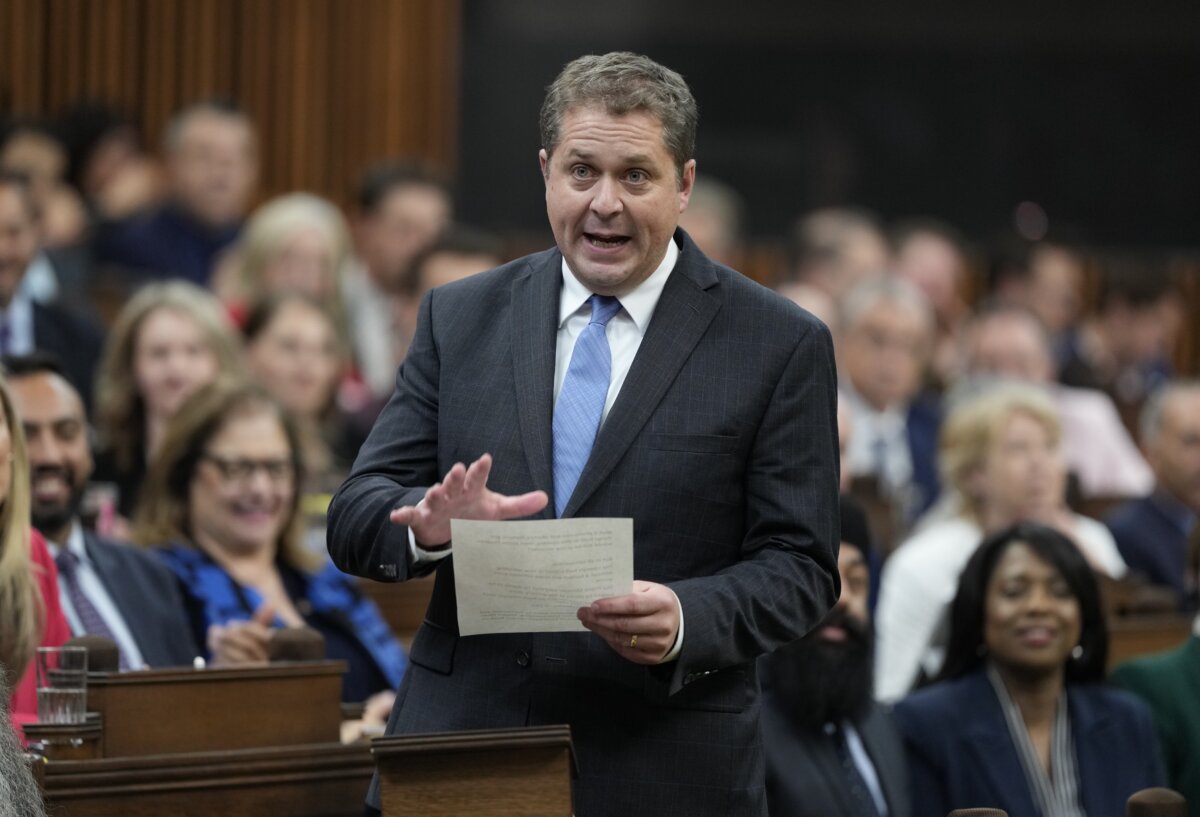
“This clause in the Budget Implementation Act that allows ministers to ignore the law; we saw what Liberals did with the green slush fund,” Tory House Leader Andrew Scheer told CTV News on Feb. 10.
Scheer’s “slush fund” remark is a reference to the now-defunct Sustainable Development Technology Canada, an arms-length federal foundation in which government-appointed directors were found to have approved funds for their own companies.
Scheer said he believes the conversations being held around Bill C-15 with the Liberals on that issue and others are being held in “good faith.”
“I find that the last few weeks of meetings that there’s been some progress, and we’ll wait and see what actually happens in the end result,” he said.
Finance Minister François-Philippe Champagne, who sponsored Bill C-15, told reporters on Feb. 11 he is open to removing the clause on regulatory “sandboxes” being criticized by the Tories.
“With respect to sandboxes, it is something you find in other G7 jurisdictions, but in the spirit of removing the obstruction that we’ve seen, I’m open-minded to make sure that we move forward,” Champagne said.
Areas of Cooperation
Conservatives returning from holiday break started the new House sitting by pledging to cooperate with the government on additional matters like affordability and bail reform.
A motion tabled by the Tories on Feb. 2 helped expedite the review process for Bill C-19, legislation that would implement an increase to GST credit payments. Tories said the measure can offer urgent relief to Canadians struggling with the high cost of living, while they also criticized the move as being inflationary. Bill C-19 only has to clear one last step in the Senate before it receives royal assent and becomes law.
Scheer was asked repeatedly during his CTV News interview whether the strategy to cooperate with the Liberals is to avoid an early election. Liberals currently hold a strong lead on the Conservatives in most polls, and the gap is greater when looking at leaders’ favourability.
“I just refuse to accept the premise that there’s a change in posture,” Scheer said. The Tory House leader said his party has been supportive of some Liberal bills since the start of the new Parliament, notably Bill C-5 on major projects, and Bill C-12 on border security. Bill C-12 received Tory support after controversial clauses in the first border bill C-2 were dropped.
Speaking to reporters on Feb. 10 to explain his party’s willingness to work with the Liberals, Scheer said Canadians don’t want a “half a billion dollar election” and instead want to see “real solutions that improve the quality of their life.”
Scheer’s counterpart in government, House Leader Steven MacKinnon, said on Feb. 10 he doesn’t believe an election is necessary. “I think this Parliament can function,” MacKinnon said before the weekly cabinet meeting.
MacKinnon also said no agreement has been made with the Tories to avoid an election.
Liberals had spent the last weeks of 2025 attempting to poach opposition MPs to reach a majority. Two Tory MPs joined their ranks, while other Tory and NDP MPs publicly rejected offers to cross the floor.
Since then, the Liberals’ seat count has fallen with the resignations of former cabinet ministers Chrystia Freeland and Bill Blair. Liberals currently have 169 seats, three shy of a majority.
Prime Minister Mark Carney has yet to announce byelections in Freeland and Blair’s former Toronto ridings.
Two of Carney’s speeches in January, one in Davos, Switzerland, and one in Quebec City, coupled with his announcement of increasing payments under the GST credit, led to speculation the Liberals were preparing for an early election.
Carney’s dismissed the idea when speaking with reporters after his GST credit announcement in late January. “We’re not, we’re focused on results for Canadians,” he said.
 Friends Read Free
Copy
Facebook
Tweet
Friends Read Free
Copy
Facebook
Tweet