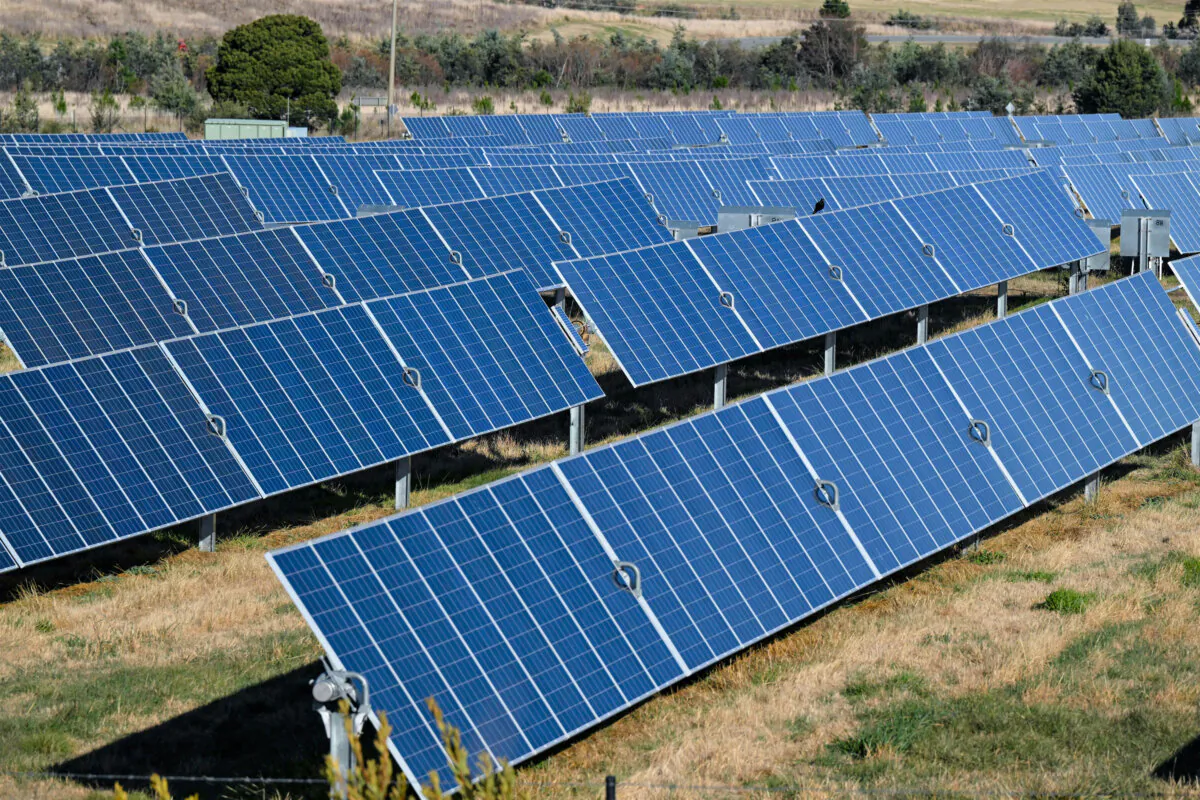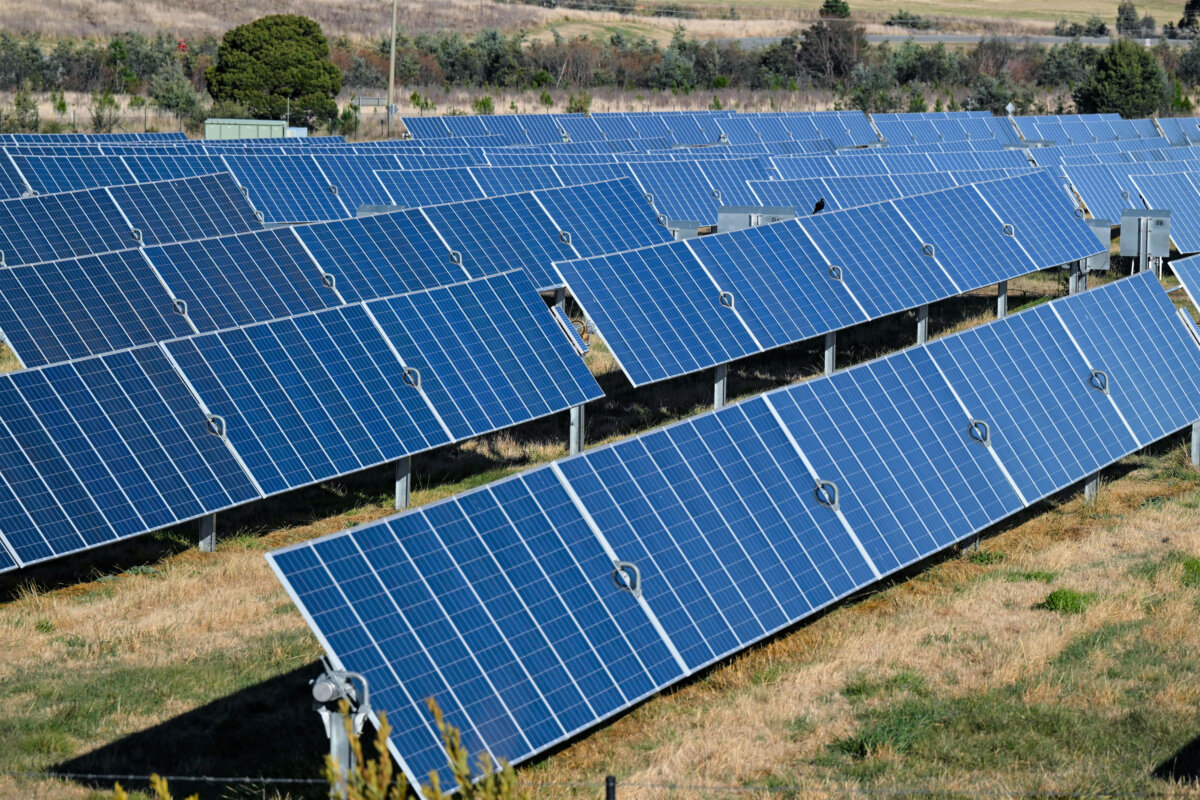

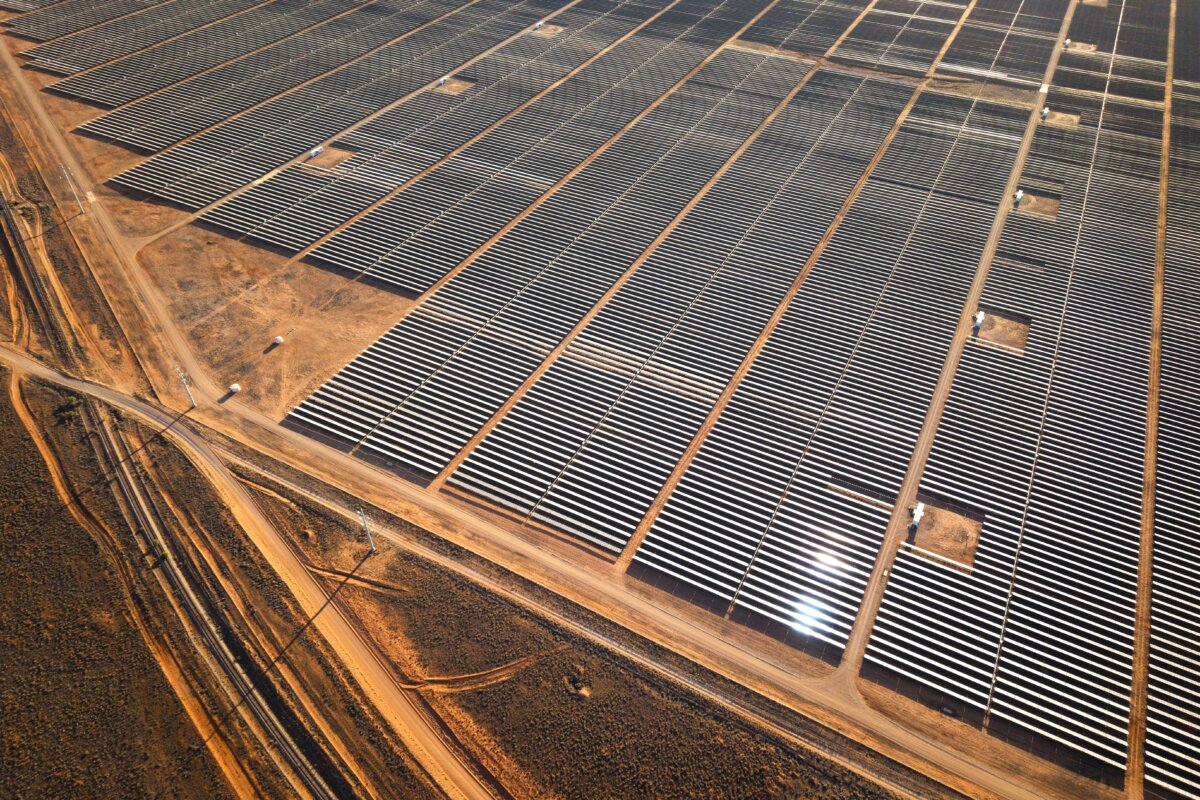
With 90 percent of its solar panels and over a million inverters imported from China, Australia may be especially vulnerable to the kinds of security threats now emerging in the U.S. energy sector.
That’s the warning from one Australian strategic expert after a recent investigation uncovered hidden communication devices in Chinese-manufactured solar power inverters and batteries.
Some of these components include cellular radios and were not listed in product documentation. They could also potentially allow remote access for hackers to control critical energy infrastructure, and bypass firewalls.
“We know that China believes there is value in placing at least some elements of our core infrastructure at risk of destruction or disruption,” Mike Rogers, a former director of the U.S. National Security Agency, told Reuters.
“I think that the Chinese are, in part, hoping that the widespread use of inverters limits the options that the West has to deal with the security issue.”
The potential damage from a cyber attack is to strew chaos across power grids, infrastructure, and cause widespread blackouts.
90 Percent of Australian Solar Panels from China
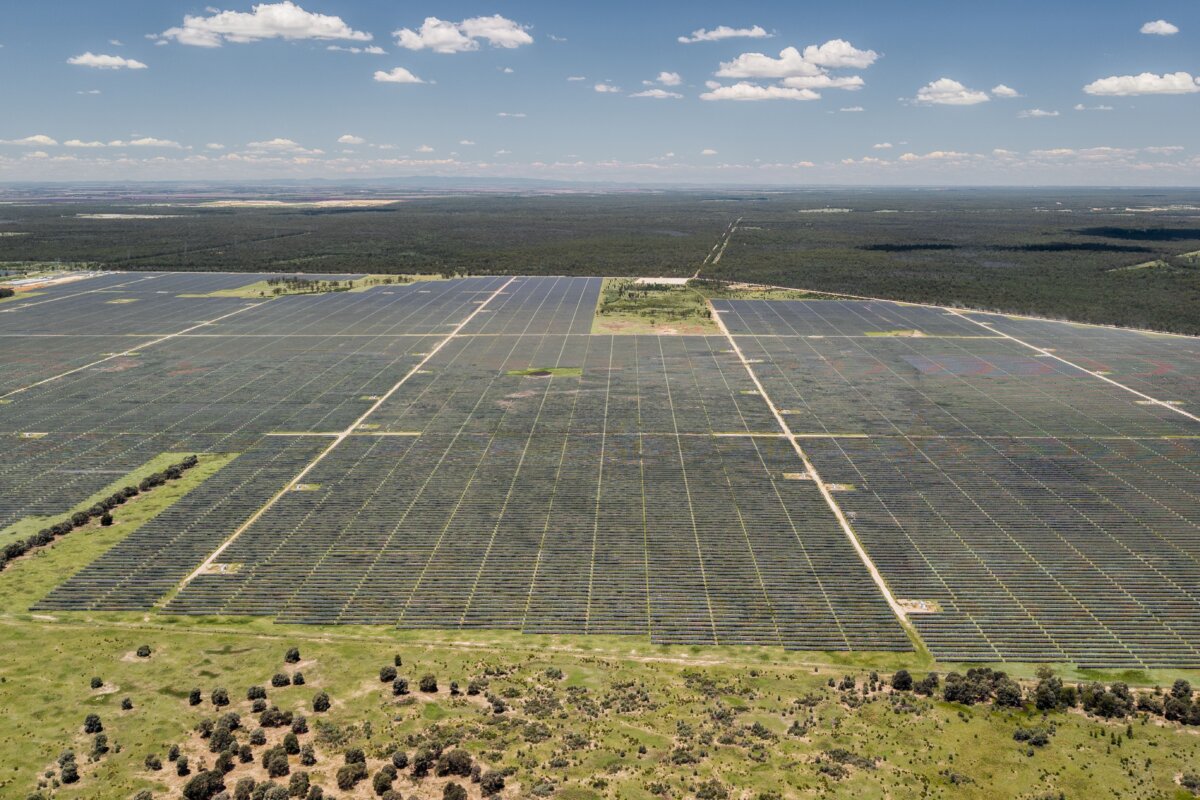
As of 2024, about 90 percent of solar panels installed in Australia have been imported from China, with the remaining 10 percent sourced domestically.
While in August 2023, Australia accounted for roughly 3 percent of China’s inverter exports, approximately 1.6 million devices per year, according to limited data from the General Administration of Customs of China.
In response to the heavy reliance, the Australian Labor government initiated the $1 billion “Solar SunShot” program, aimed at bolstering domestic manufacturing for renewables, while also achieving its net zero ambitions.
In response to the U.S. discovery of undocumented communication devices, Energy Minister Chris Bowen acknowledged the cybersecurity risks that arise from relying on foreign-made components.
“I’m not suggesting we can make all the solar panels we need in Australia, but we can build a greater sovereign capability. And we should.”
77 Percent of EVs Also Sourced from China
Yet Michael Shoebridge, a former senior intelligence officer, believes its not only Australia’s widespread adoption of Chinese-made solar panels that are a concern, the country’s take-up of cheap Chinese electric cars is also a risk.
“Our national government’s policy on this security issue should change to deal with it,” he told The Epoch Times in an email.
“The risks are very real, and arguably greater here in Australia because of our larger dependence on renewables like solar panels, batteries, and their control systems, predominantly sourced from China, for our energy transition,” said Shoebridge, now the founder and director of Strategic Analysis Australia.
“Cars are also core to our transport system, so the security issues from covert communication and control systems in our energy and transport systems which are able to be used by Chinese companies and their Chinese Communist Party masters is disturbing, serious, and real.”
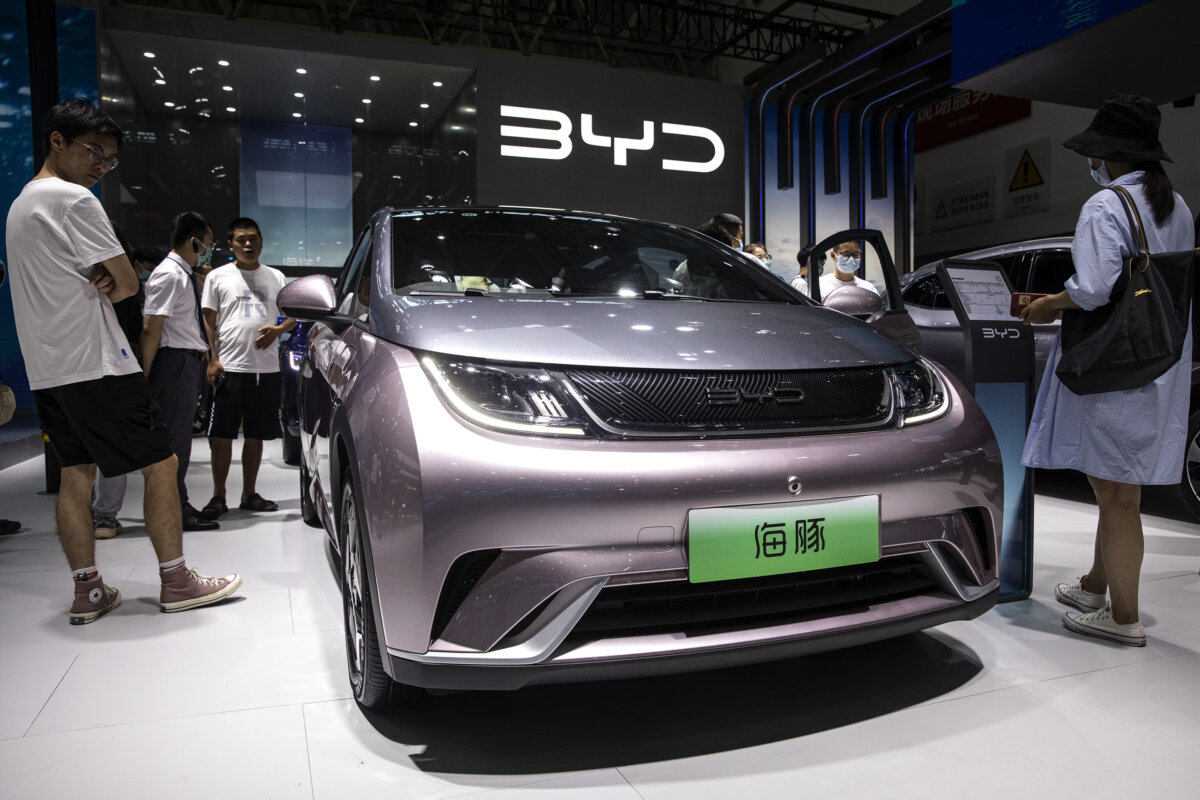
In 2024, approximately 77 percent of all electric vehicles (EVs) sold in Australia were sourced from China, according to EV Central. Several dominant Chinese EV Brands in Australia include BYD, MG Motor, GWM (Great Wall Motors), Chery, and XPeng.
Shoebridge also said the threat of Chinese-made components should not be played down.
“These kind of threats sound overstated until a crisis occurs and they become real,” he said.
“It is almost certain that the rogue communication systems found in Chinese systems in the U.S., exist in Chinese technologies used widely here in Australia.
“Unfortunately, because our government and its security agencies show no sign of taking the issue seriously, we just know far less about the extent and ways to manage it than we should.”
New Measures in Place
A spokesperson for the Department of Home Affairs told The Epoch Times that solar is important to “our net zero agenda.”
“The Australian government assesses these benefits against national security and broader economic considerations,” the spokesperson said.
The Cyber Security Act 2024 established new powers for the Minister for Cyber Security to prescribe mandatory standards for all relevant connectable products.
Further, the Security Standards for Smart Devices Rules, which cover consumer-grade smart devices will come into effect 12 months after its registration.
Solar inverters would be captured under these rules if they meet the definition of a “relevant connectable” product under the Act. Manufacturers and importers would be responsible for compliance.
Meanwhile, intelligence service, the Australian Signals Directorate, recommends local organisations consider the national origin of suppliers, manufacturers, and retailers when it comes to cyber security issues.
The Home Affairs Department has also established a Technology Vendor Review Framework that considers issues like foreign ownership or influence when it comes to tech suppliers.
Meanwhile, the U.S. Department of Energy has acknowledged the challenges posed by undisclosed functionalities in imported technologies and called for transparency from manufacturers.
“While this functionality may not have malicious intent, it is critical for those procuring to have a full understanding of the capabilities of the products received,” a U.S. Department of Energy spokesperson said.
Efforts are underway to implement measures like “software bills of materials” to ensure comprehensive disclosure of all components in such devices, according to the spokesperson.
 Friends Read Free
Copy
Facebook
Tweet
Friends Read Free
Copy
Facebook
Tweet