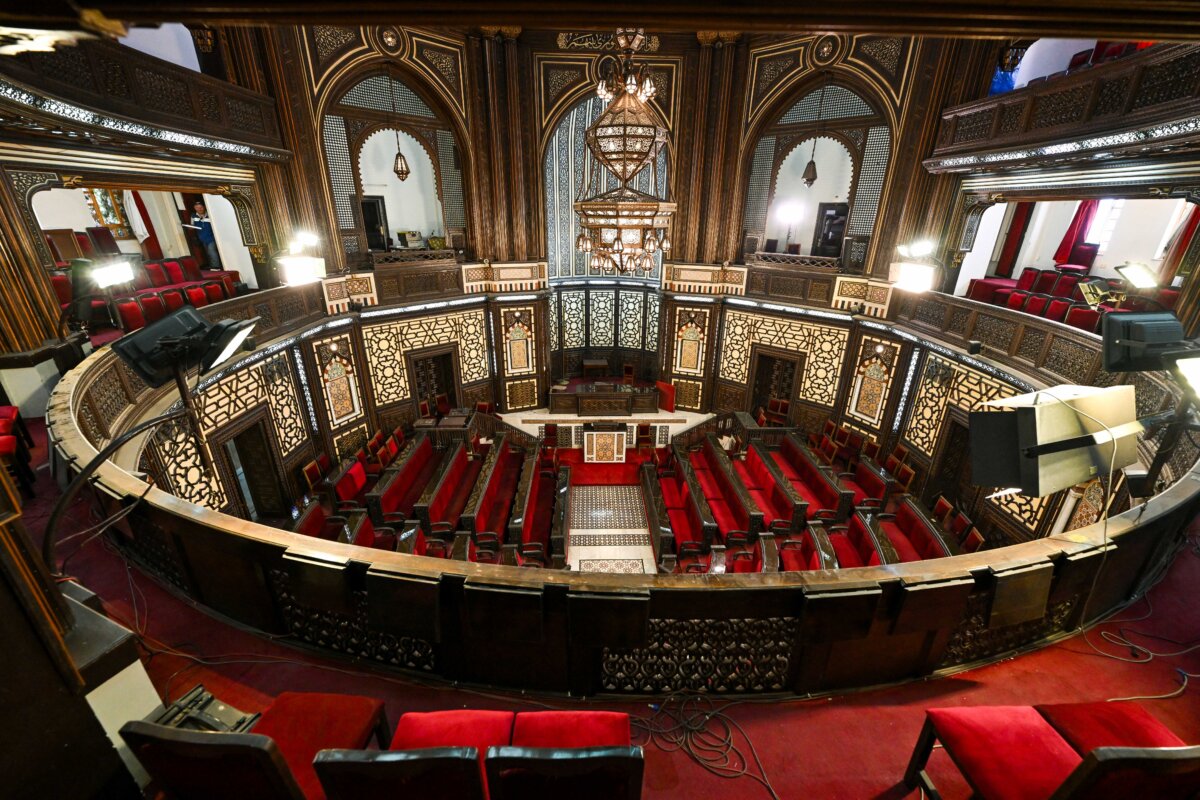

Syria will on Oct. 5 hold its first parliamentary poll since the regime of former leader Bashar al-Assad was abruptly ousted by a rebel offensive late last year.
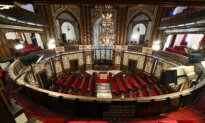
The 210-seat People’s Assembly will likely be tasked with passing legislation aimed at overhauling decades of state-controlled economic policy and ratifying treaties that could reshape Syria’s foreign relations.
Here’s what we know about the upcoming poll.
The Electoral Process
The process is being overseen by an 11-member electoral committee appointed by Ahmed al-Sharaa, Syria’s interim president, in June.
After consulting with local communities, the committee appointed regional sub-committees, which, in turn, selected members of regional electoral colleges.
The electoral committee later released a list of approximately 6,000 electors, one-fifth of whom should be women, according to electoral criteria.
There is no minimum requirement for female representation in parliament. Nor have any quotas been set for ethnic and religious minorities.
To run for a parliamentary seat, candidates must first have been selected as members of an electoral college.
According to the main electoral committee, an appeals process was set up to allow would-be candidates to challenge selections made by electors.
Anyone suspected of supporting the former regime—or who had called for “secession, division, or … foreign intervention”—was prohibited from running.
Once poll results are announced, they will be endorsed by a presidential decree, after which the newly elected assembly will hold its first legislative session.
Who Will Cast Ballots
Controversially, not all voting-age Syrian citizens will cast ballots in the Oct. 5 poll.
Rather, 140 of the assembly’s 210 members will be chosen by the electoral colleges, while the remaining 70 will be directly appointed by al-Sharaa.
According to the Syrian authorities, this is due to the lack of reliable demographic data and high levels of displacement—both internal and external—following more than a decade of conflict.
In previous remarks, al-Sharaa has stressed the impossibility of holding a popular vote due to the “loss of documents,” noting that numerous Syrians remain outside the country.
The incoming assembly will sit for a 30-month term, during which the government has pledged to prepare the ground for a popular vote in the next legislative poll.
Where Polling Will Be Held
Nor will polling be held in all parts of Syria due to chronic political and security concerns.
The parliamentary vote has been indefinitely postponed in the country’s northeast, which remains largely controlled by a Kurdish-led administration rather than the central government in Damascus.
Polling has also been indefinitely postponed in Syria’s southern Sweida province, where sectarian violence continues to break out sporadically between government forces and the local Druze community.
This means that roughly a dozen parliamentary seats reserved for these two areas will remain vacant indefinitely.
Skepticism
Al-Sharaa, who has previous ties to al-Qaeda and the ISIS terrorist group, was named Syria’s interim president in January.
He also leads Hayat Tahrir al-Sham (HTS), a militant Sunni Islamist faction that spearheaded last year’s rebel offensive that toppled the Assad regime. The United States revoked HTS’s foreign terrorist organization designation in July in an effort to normalize relations with post-Assad Syria.
Since assuming the presidency, al-Sharaa has visited—and received the endorsement of—several regional states, including Turkey, Qatar, Saudi Arabia, Bahrain, and the United Arab Emirates.
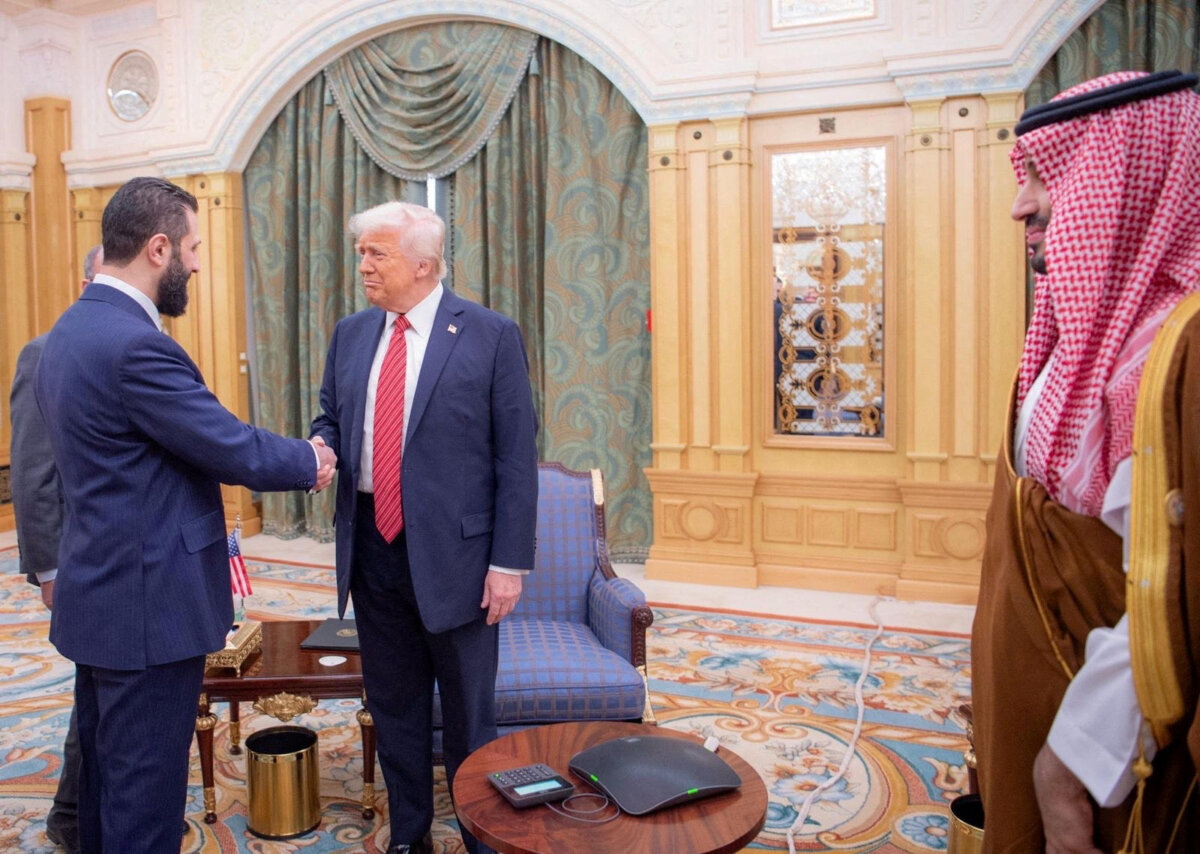
In May, he also won recognition—and praise—from President Donald Trump when the two leaders met in the Saudi capital Riyadh.
As president, al-Sharaa has repeatedly pledged to protect Syria’s ethnic and religious minorities and promote democratic and inclusive governance.
Meanwhile, some remain skeptical of his commitment to these ideals, noting that the electoral process—as formulated by al-Sharaa’s government—appears highly centralized, while eligibility criteria are vaguely defined.
In a joint statement released last month, 15 civil society groups warned that the convoluted electoral process could allow Syria’s executive authority to “dominate an institution that should be independent of it and [should] reflect the popular will.”
Reuters contributed to this report.
 Friends Read Free
Copy
Facebook
Tweet
Friends Read Free
Copy
Facebook
Tweet