
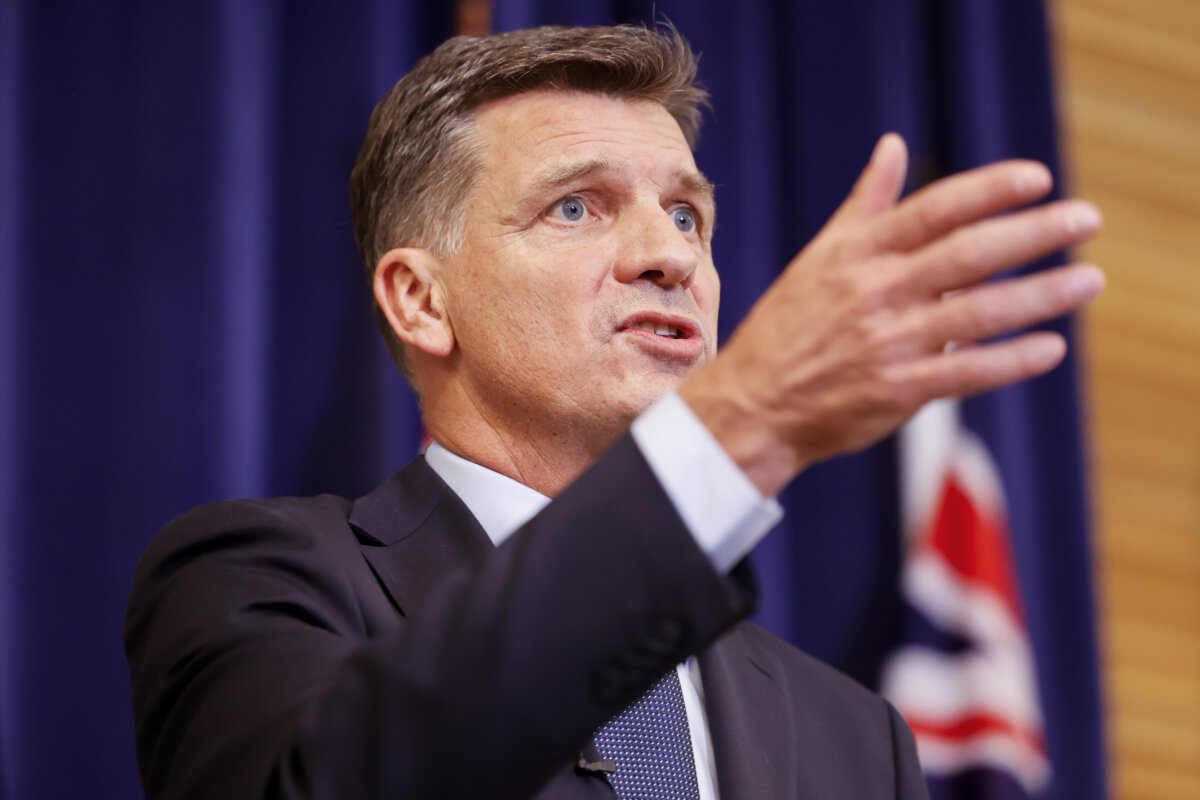
Opposition Leader Angus Taylor has moved quickly to distance the Liberal Party from a leaked radical migration plan reportedly drafted under his predecessor Sussan Ley.
The leaked plan to several news outlets aimed to ban migration from 37 regions—within 13 countries—because they were high-risk due to terrorist activity, including areas such as Gaza.
Other slated regions include the southern Philippines, as well as Afghanistan, Algeria, Cameroon, Egypt, Lebanon, Libya, Mali, Niger, Nigeria, Somalia, and Yemen.
The document was alleged to be prepared by Ley’s office, with apparent input from Shadow Immigration Minister Paul Scarr and frontbencher Jonathon Duniam, following the Bondi Beach terror attacks.
The leaked draft also contains proposals for tougher visa screening and scrutinising of the social media history of applicants, a move mirroring the Trump administration.
The draft policy also proposed strengthening the existing non-binding Australian values requirement for all temporary and permanent visa applicants, making adherence to the statement a condition of remaining in the country.
Migrants who are deemed to breach Australian values could face deportation.
Taylor Rejects Plan, Leaks Could Be Aimed at Damaging Him
Taylor denied he had seen any such policy and said it had not been reviewed internally.
“It didn’t go through shadow cabinet or the leadership, and as I understand it, it wasn’t seen by the relevant immigration shadows,” he told ABC News on Feb. 16.
“I don’t know what the validity of it is, and I don’t see any verification of its validity.”
Asked whether he supported the proposal outlined in the leaked draft, Taylor said he would instead work through policy with his frontbench, which he is expected to appoint in the coming days.
The opposition leader also did not directly comment on whether he would consider banning people from the identified regions.
Instead, he responded by returning to his broader argument about values.
“I’d support any proposal that says that people who don’t adopt our core values and core beliefs,” Taylor said.
“The standards have been too low, the numbers [of migrants] have been too high, and importantly, we need to make sure that we shut the door on people who don’t adopt our core values and beliefs.”
Asked whether he believed the leak was designed to damage him politically, Taylor indicated he understood that could be the motive.
“Politics has all sorts of motives, and I’m not going to comment on those,” he said.
Scarr, Duniam Deny Involvement
Both Scarr and Duniam quickly rejected claims they were part of this draft and denied the policy had been endorsed through any formal internal process.
In a statement to The Epoch Times, Scarr said he neither proposed nor agreed to any such plan.
“I never signed or approved a shadow cabinet submission containing any such policy. I have a range of serious concerns with respect to any [of] such policy,” he said.
Duniam also said he had no knowledge of the draft.
He said the Coalition working group of shadow ministers developing an opposition immigration policy did not meet again after the Bondi terror attack in December 2025.
“What seems to have appeared in the public domain are policy ideas that I haven’t seen, commented on or contributed to,” he said.
Labor Says It’s Reducing Migration
Treasurer Jim Chalmers was pressed on the government’s migration settings on Feb. 16 and said Labor was already bringing numbers down.
He said the government had been working “methodically in a considered way” to reduce net overseas migration.
“In fact, in the last full year, it was 30,000 people fewer than what was projected. It’s now fallen seven quarters in a row, and it’s down 45 percent below its peak,” he told the ABC.
The latest data from the Australian Bureau of Statistics showed net overseas migration was 306,000 in 2024–25, down from 429,000 a year earlier.
Migrant arrivals dropped 14 percent from 661,000 to 568,000, with temporary students the largest group at 157,000 people.
Meanwhile, migrant departures increased 13 percent to 263,000, up from 232,000 in the previous year.
 Friends Read Free
Copy
Facebook
Tweet
Friends Read Free
Copy
Facebook
Tweet