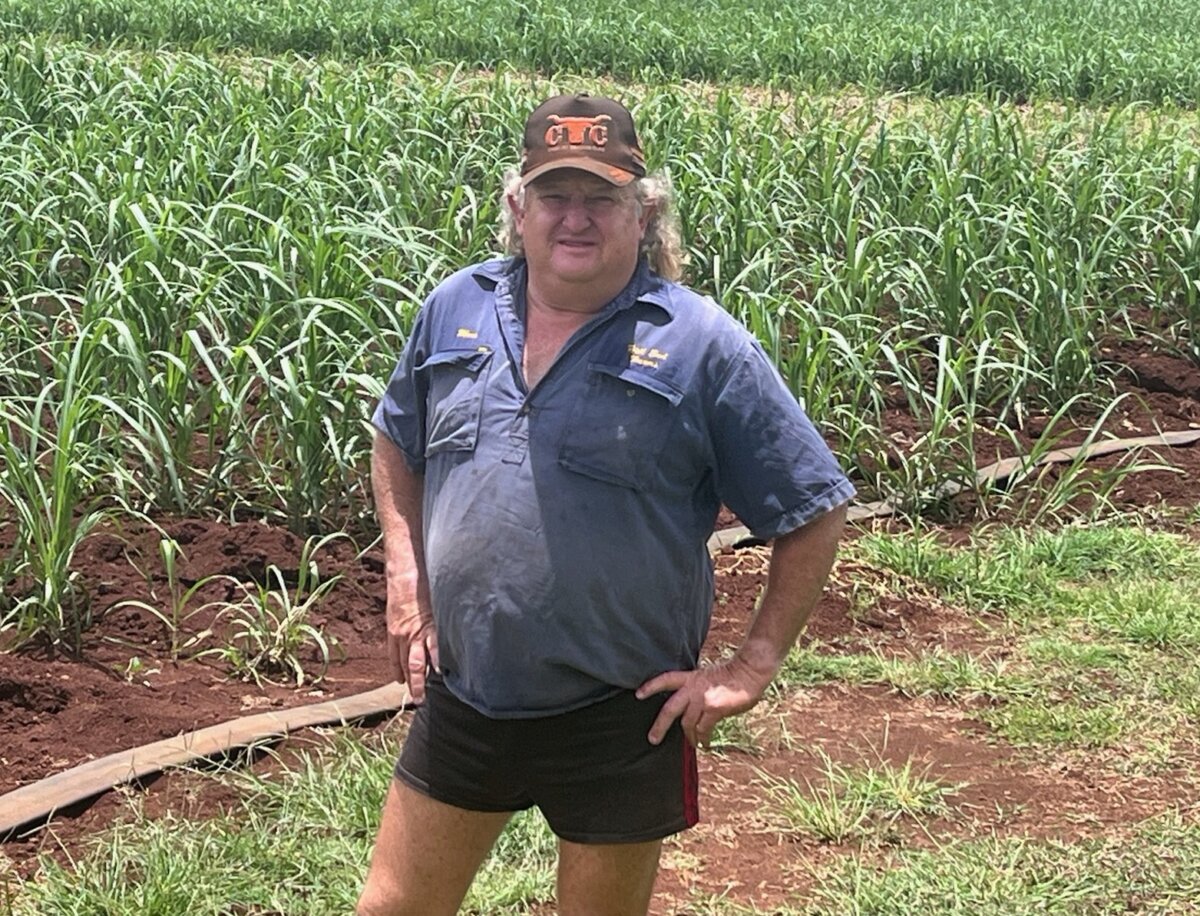

Farmer Mark Pressler says every trip across his property carries a growing price tag.
On a sugarcane farm in Queensland’s Bundaberg region, Pressler says transporting a pallet of cane now costs $450 compared to $300 previously.
He says while petrol prices begin to settle, the cost of diesel—used in heavy machinery—continues to stay sky high.
Pressler says freight services are charging surcharges to cover the rising cost of fuel, and for him, that has risen from about 16 percent last year to around 45 percent now.
Heavy freight operations roughly use about one litre of fuel per kilometre, meaning even small price movements can quickly accumulate.
But for farmers, there’s little they can do to cover that cost and will have to charge more for their produce, leaving customers to pick up the tab.
“At the moment, I think the majority of people are really struggling with the cost of fuel. They haven’t thought of what happens when you can’t get bread and food,” Pressler told The Epoch Times.
“I believe we should be digging our own oil and being self-sufficient.
“I’ve been saying this for the last few years—if any country wants to bring us to our knees, they just have to stop the [fuel container] boats.”
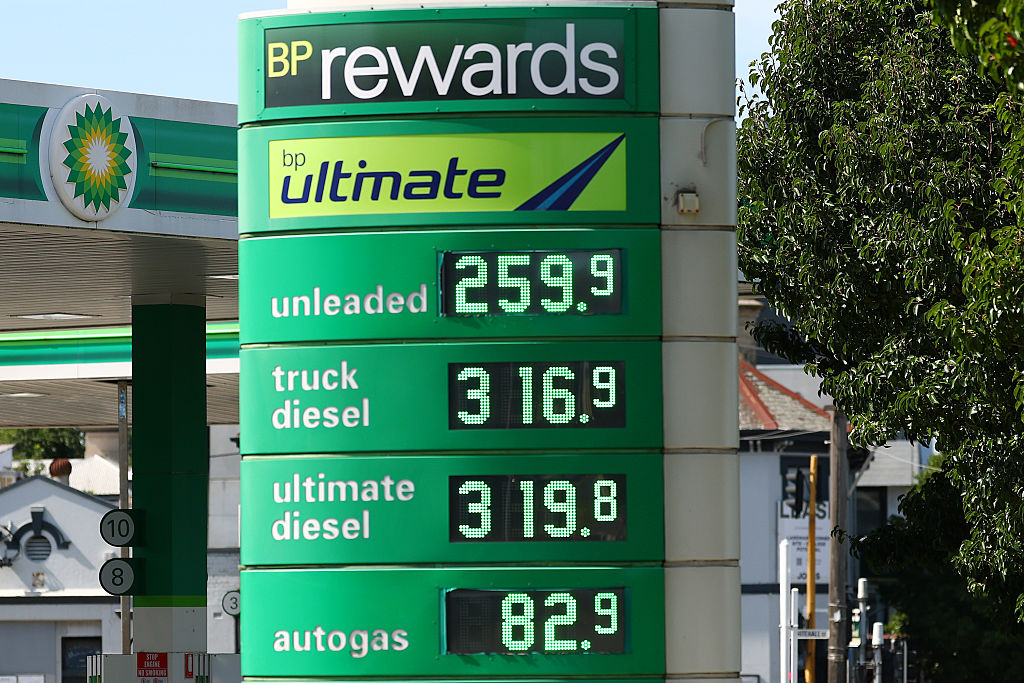
High Diesel Price Shock Still to Come?
Recent analysis from Fishbowl Inventory, conducted by Primara Research in April, shows that Australians could be in for a hidden inflation shock even as standard unleaded petrol prices normalise.
While petrol prices have moved towards recovery at around 22 percent above pre-Iran War prices, diesel costs are still running about 59 percent higher—about $2.50 per litre as of May 1.
And the situation could have been worse, according to Fishbowl, which said in response to the fuel crisis, some retailers initially cut their diesel profit margins to just 1.7 percent to prevent prices from nearing $4.00 per litre— effectively wiping out about 83 cents of every dollar of profit for petrol retailers.
Combined with the government’s temporary fuel excise cut, this has helped cushion the impact of higher diesel prices from motorists and business owners.
But analysts warn this cushioning can’t last forever.
As profit margins start to go back to normal and the government’s fuel excise cut ends, the high cost of diesel could eventually come back.
“The diesel numbers are the ones businesses managing logistics and supply chains should be watching,” said Fishbowl Inventory Managing Director Simon Jupe, in a statement.
“Retailers have been running margins nearly four points below normal for eight weeks, with wholesale diesel still 59 percent above pre-crisis.
“When the July excise lands on top, goods prices become the most probable destination for costs that have so far been absorbed, not passed on.”
That lag—between rising diesel costs and when they show up in supermarket prices—is what makes the issue difficult to see, but potentially significant for inflation.
Government Working to Lock in Fuel Shipments
The Australian government says it is working to stabilise supply, announcing in April that 4.6 billion litres of fuel would be brought into the country, including diesel, crude oil, petrol, and jet fuel.
Since 2000, Australia has offshored most of its domestic refining to Asian companies due to their more cost-effective operations.
Energy Minister Chris Bowen says Australia’s fuel stocks remained reliable, pointing to sufficient petrol supply and continued international coordination.

“As this international crisis continues, with frankly, continuing uncertainty around the world about when and how it will end, the government will continue to take every step necessary to ensure security of fuel supply to Australia,” he told reporters in Sydney.
“Australia’s fuel stocks continue to be very solid. We have 44 days worth of petrol, which is eight days more than when Iran was first bombed.”
Foreign Minister Penny Wong has also travelled to Asia, where she has brokered a deal with the Chinese Communist Party (CCP) to sell more jet fuel to the Australian industry—China is Australia’s biggest jet fuel supplier accounting for 28 percent of imports.
Meanwhile, Opposition Leader Angus Taylor has called for a return to domestic production.
“I want to see fuel abundance in this country, and I do think that means we have to identify and produce more oil and gas in this country,” he told ABC’s Insiders program.
“The best stock of all is is fuel under the ground that we can produce. That’s not 30 days. That can be 30 years. That’s the best stock of all.”
While there are overtures to establish local oil exporation and refining, the challenge is time.
“Wheels turn slowly, I’m afraid, unless it gets fast-tracked for the public good,” Prassler says, pointing to alternative ideas like Japan’s use of boiler systems to generate thermal power.
The Queensland farmer also blames broader climate policies, like net zero and the Paris Agreement, for driving up costs.
“This is a monumental stuff-up on all government sides,” he said.
“It’s all been driven by a green climate ideology. It’s cruel to the economy, it’s cruel to the cost of living.”
 Friends Read Free
Copy
Facebook
Tweet
Friends Read Free
Copy
Facebook
Tweet