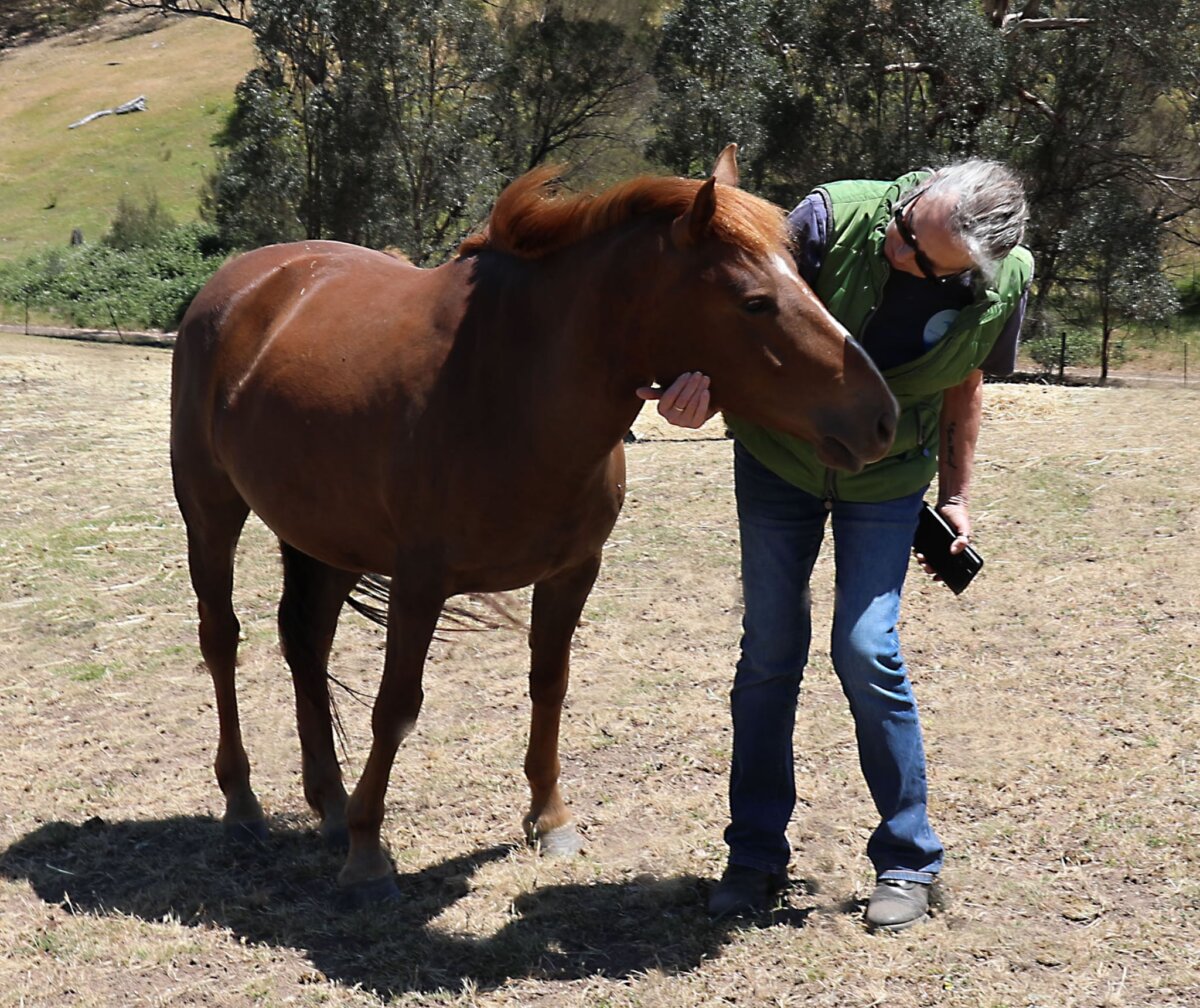

Wild brumbies are a historic animal that have served alongside Australian soldiers during wartime, but the co-founder at Mountain Brumby Sanctuary, Jo Curtis, is concerned they could be extinct within a few years.
She has joined the chorus of voices asking the Allan government to end its brumby shooting program.
On Parks Victoria’s website, the agency states it aims to reduce the number of “feral horses” in national parks to protect the natural environment and provide a greater chance of survival for native species found nowhere else on the planet.
“Feral horses only occur in two Victorian parks—the Alpine National Park and Barmah National Park,” Parks Victoria said on its website.
“Parks Victoria has clear plans and programs for feral horse management in the two impacted parks.
“The name ‘brumby’ is an Australian term for feral horses, its use dating back to the 1870s.”
But Curtis disputes this definition of brumby and is committed to fighting for their survival.
“That’s why they were bred [during wartime], because they were breeding them for the war and the soldiers,” she told The Epoch Times.
“They’re just incredible animals. They’re not an average horse. Once you’ve got their trust, you’ve got it forever.
“Those brumbies with the soldiers—they say they were best mates.”
Curtis estimates fewer than 3,000 wild brumbies remaining across Victoria’s Alpine National Park and Barmah National Park, and NSW’s Kosciuszko National Park.
She is worried that the number will continue dropping if the state government’s brumby culling program continues.
“They are even suggesting that brumbies have started to eat these little [endangered] frogs, which is ridiculous,” she said.
“The biggest thing when it came out in the open properly about the culling was because they wanted to protect the unique red frog. They say brumbies will make it boggy around the water holes and damage the edging.
“The fact is that’s where frogs live. That’s where they lay their eggs.
“It’s a feral horse, but they’ve been in Australia for as long as white men have been in Australia.”
Curtis added that she believes brumbies are good for land regeneration.
“Brumbies eat grass and hay, so they’re excreting seeds all the time,” she said.
“They’re regenerating the ground. Horses and brumbies don’t eat down to the roots. They don’t pull roots out, so the root system is always there.”
Residents Opposed, Conservationists Defend
The Invasive Species Council of Australia says brumby culling is necessary to protect Australia’s native animals and mountain streams.
“No one likes to see animals killed, but the sad reality is that we have a choice to make between urgently reducing the numbers of feral horses or accepting the destruction of sensitive alpine ecosystems and habitats, and the decline and extinction of native animals,” the organisation said.
“We’ve seen a number of previous cases in Victoria and NSW where a small group who don’t want to see a single horse removed are trying to frustrate the important work of our national park staff. To date, all of these court cases have been overturned.”
Political Reaction
However, Curtis and her fellow volunteers at Mountain Brumby Sanctuary have the support of Victoria’s National Member for Gippsland East, Tim Bull.
“The one thing the majority of people in my electorate are opposed to is brumby culling,” he told The Epoch Times.
“We get a lot of artists who come up to paint them. We get a lot of photographers who come up to photograph them.
“We have brumby sightseeing tours. No one goes on wild pig sightseeing tours, or sambar deer sightseeing tours.”
Bull, who is also the Victorian Shadow Minister for Racing, said he has asked the Allan government to end its brumby culling program amid cuts to other pest, plant, and animal control programs.
In August, the Allan government announced it would cut at least 31 jobs from Agriculture Victoria’s invasive weed and pest management team, with staff to lose their jobs by the end of the year.
“Let’s get rid of the animals who are harming the environment the most, such as feral pigs, who are out of control and impacting agricultural land,” Bull said.
“Brumbies don’t impact agricultural land and don’t do anywhere near as much damage as the pigs do. Feral pigs are exploding in population in the bush, and you’ve got wild dogs eating farmers’ sheep. Let’s get rid of them before we worry about brumby culling.”
Curtis said her organisation, based at Broadford in central Victoria as well as Cooma in southern New South Wales, has saved close to 200 wild horses.
She added that brumbies mainly eat grass, which helps reduce the threat of bushfires.
“The wild pigs dig into the ground. And the wild dogs, cats, and pigs are attacking the native animals,” she said.
“Brumbies are herbivores. They don’t eat animals. What they do is keep everything down—they keep the grass down for fires.”
The Epoch Times has contacted Parks Victoria and Victorian Minister for the Environment, Steve Dimopoulos’s office for comment.
 Friends Read Free
Copy
Facebook
Tweet
Friends Read Free
Copy
Facebook
Tweet