
BRISBANE, Australia—From Jan. 1, 2026, Australian households are now eligible for a guaranteed three days of taxpayer-subsidised childcare a week, regardless of how much they work or study.
The “three-day guarantee” was announced by Prime Minister Anthony Albanese in December 2024, and replaces the Morrison government’s subsidy plan.
The change means over 100,000 extra families are now eligible for extra childcare, according to federal Treasurer Jim Chalmers.
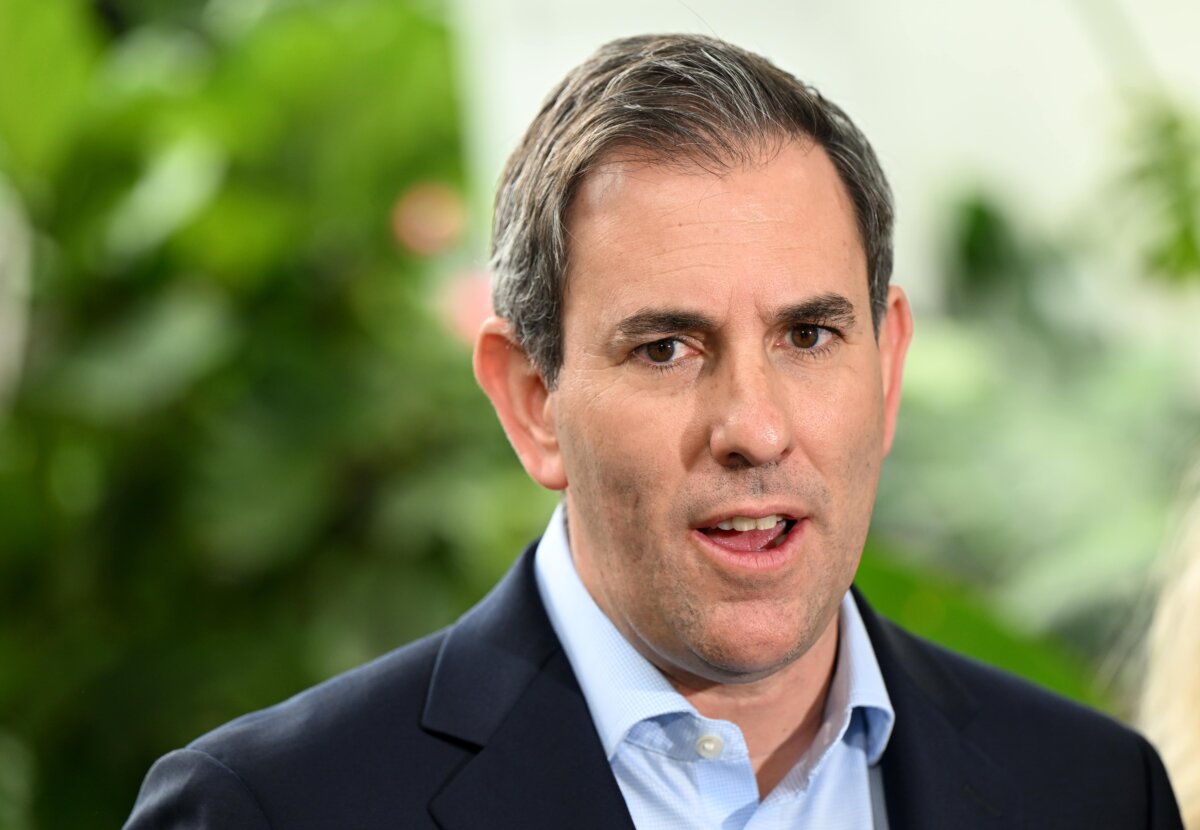
In a press conference at the Daisy Hill Goodstart Early Learning to discuss the start of the three-day guarantee, Chalmers said the move was another step toward “universal childcare.”
“What we’re ensuring as the Albanese Labor government is that more Australian kids get the early education that they need and deserve, whatever their parents’ work or study arrangements,” Chalmers told reporters.
“We’re ensuring that more Australian kids get a minimum of three days of early education. That’s what the three-day guarantee is all about.”
The reforms are aimed at addressing the prolonged inflation crisis that has gripped Australians.
“We work on the basis that if it’s good for kids, if it’s good for families, it’s good for the education system, then it’s good for the economy as well,” Chalmers said.
“This is all about providing Australians with the cost-of-living relief that they need.”
Easing Eligibility
The previous child care subsidy system required families to undergo an “activity test.” It required both parents to work, study, or search for work for at least 16 hours a fortnight to be eligible for 72 hours (or 3 days) of subsidised childcare.
The new changes ease the eligibility criteria.
Households are eligible for 72 hours subsidy if they participate in recognised activities (work, study, looking for work) for 48 hours or less a fortnight.
Chalmers said these changes will provide working families with more choice.
“For too long now, the activity test has locked out Australian kids from early education because of the choices that their parents might make about work or study, and we’re changing that,” Chalmers said.
“For some families who may have had to find $150 a day for early childhood education and care, it will go down to about $15.”
The Albanese government is investing $430 million over four years to deliver the policy.
Universal Childcare Lessons From New Mexico
The federal opposition has criticised the removal of the activity test in its dissenting report on March 2025 shortly after Labor introduced its bill to parliament.
According to the report, Labor’s scheme would drive up demand in Australia’s early childhood education and care (ECEC) sector which is already “at capacity.”
Workforce shortages and poor access in rural and remote communities are thought to be the driver for this, which has created childcare “deserts”—areas where childcare demand far outpaces supply.
Concerns over supply are not new, and a case study in New Mexico in the United States provides some insights.
In September 2025, New Mexico Democrat Gov. Michelle Lujan Grisham announced that it would become the first U.S. state to guarantee free childcare for residents.
New Mexico’s initiative for free childcare resulted in a surge in childcare demand which fed into a larger problem with ensuring adequate availability for children.
To meet the increased demand, the state needs an additional 5,000 childcare workers, while regulation and operating costs are also a barrier.
“This raises the question of whether New Mexico will have enough qualified providers to meet the surge in demand, especially if parents aren’t paying higher wages than can be found in other sectors,” wrote economists Anna Claire Flowers and Edward J. Timmons in an opinion in The Epoch Times.
“Currently, New Mexico requires that all child care workers first receive training in 11 topic areas and maintain 24 hours of additional training each year.”
 Friends Read Free
Copy
Facebook
Tweet
Friends Read Free
Copy
Facebook
Tweet