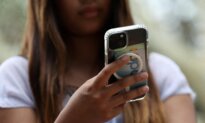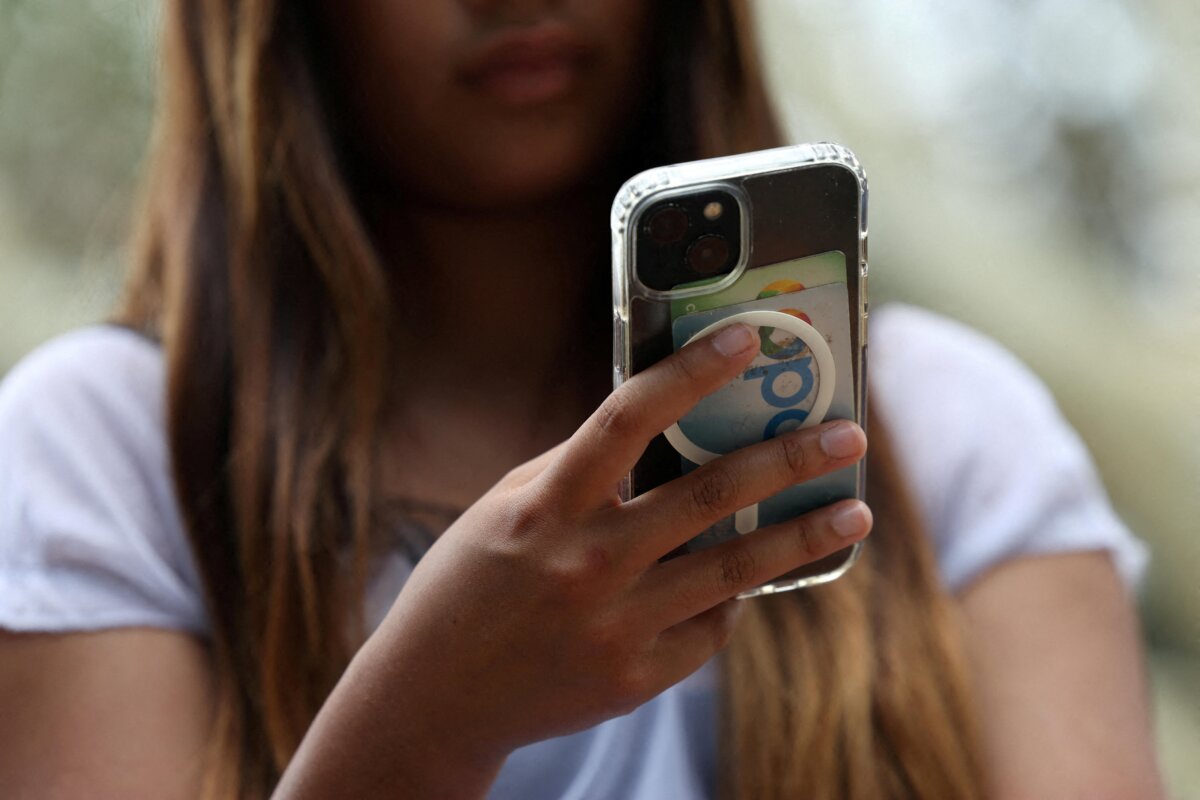

UK senior doctors have warned that the exposure of children to phones and social media is fueling a health and safety crisis, comparing the harms to past public health battles over seatbelt laws and smoking.
A May 26 report by the Academy of Medical Royal Colleges described concerns among frontline clinicians who said children are increasingly arriving in hospitals with mental health, behavioral, and physical harms linked to online activity.
Academy Chair Dr. Jeanette Dickson said clinicians from multiple specialties reported seeing harms connected to daily online exposure, ranging from anxiety and body image disorders to injuries linked to violent or sexualized content.
“As the medical profession, we have been here before. We said the same things about seatbelts. We said the same things about smoking,” the report states. “In both cases, the causal mechanism was hiding in plain sight—and the population paid the price while we didn’t pursue the argument robustly.”
The report, submitted to the UK Department for Science, Innovation, and Technology, is part of the government’s consultation on a proposed social media ban for under-16s.
The consultation also looked at measures on gaming platforms and artificial intelligence chatbots. It closes on May 26, and ministers plan to publish a response in the summer.
UK technology secretary Liz Kendall told the BBC on May 26 that the government intended to take action.
“The question isn’t whether we’re going to … act, we will,” Kendall said, adding that options under consideration included “a ban on social media for the under-16s, restrictions on key features and functions, or other measures such as highly effective age-verification measures.”
Kendall also said technology companies “have got to do more to follow existing legislation” and called for stronger enforcement by the UK’s communications regulator, Ofcom.
The UK government already began testing restrictions earlier this year.
On March 25, UK officials announced six-week pilot programs involving 300 families across the country to study whether social media bans, digital curfews, and screen time limits improve children’s well-being.
The UK pilots followed a wave of similar moves globally. In December 2025, Australia became the first country to legally ban social media for children younger than age 16. France, Greece, Denmark, Spain, and Slovenia have since announced similar plans.
In the United States, no federal law has yet been enacted, while some states have enacted legislation to limit minors’ use of social media.
As of February, at least 17 states, including Florida and Nebraska, had adopted laws addressing minors’ access to or treatment on social media or “addictive feeds,” according to the Age Verification Providers Association.
Rising Mental Health Cases
The May 26 report drew heavily on testimony from doctors, psychiatrists, and pediatricians who said excessive social media use and exposure to disturbing online material are reshaping clinical workloads.
Dr. Emily Sehmer, a consultant child psychiatrist quoted in the report, said mental health services are “inundated” with referrals involving anxiety, sleep disorders, violence, and “toxic ideology.”
“We are being asked to pathologise a normal childhood response to being continuously exposed to hateful, manipulative, addictive, and grossly distressing content,” Sehmer said. “Children should never have been expected, or allowed, to navigate this world alone.”
The academy said many clinicians reported cases involving self-harm encouragement, violent online content, sexual exploitation, and suicide-related material.
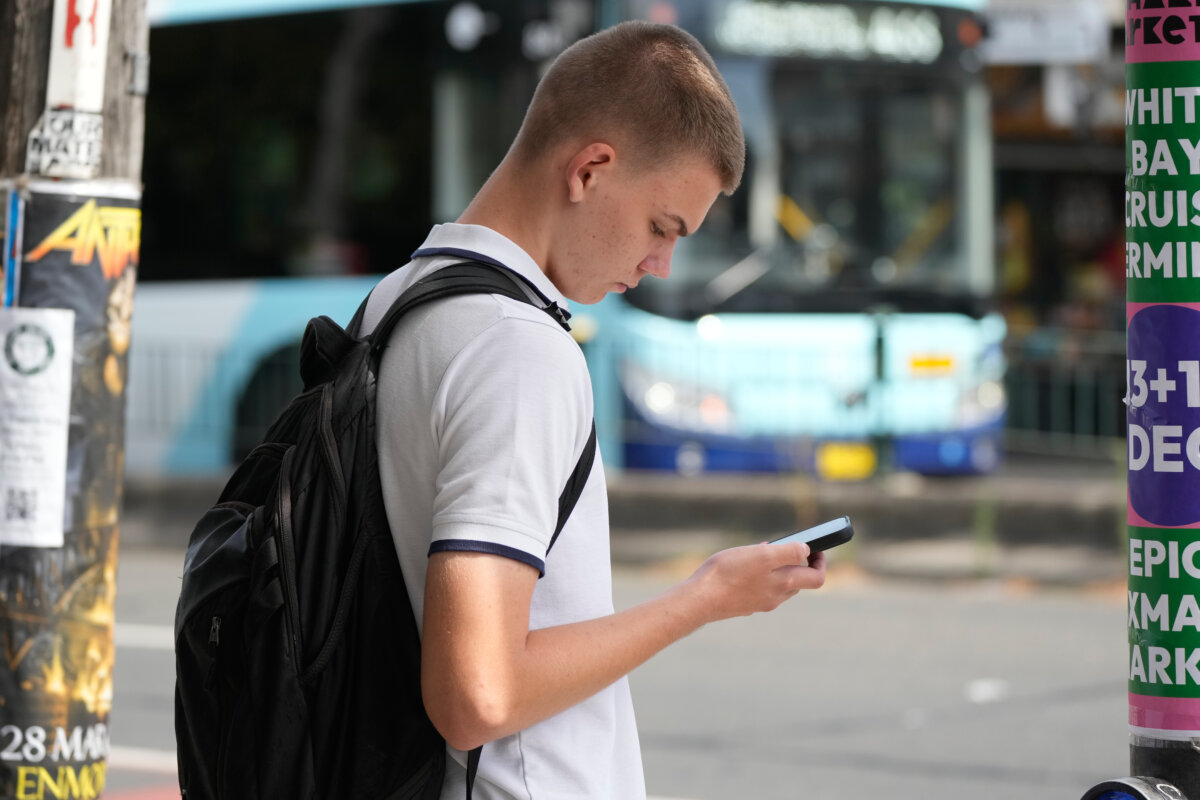
The report also noted concerns about “late-night scrolling.”
According to Ofcom’s 2025 Online Nation Report, cited in the academy’s report, between 15 percent and 24 percent of online activity among children aged 8 to 14 occurs between 9 p.m. and 5 a.m., depending on the platform.
Doctors also cited cases involving children replicating dangerous trends, such as stunts or challenges, seen online.
Warnings Against Blanket Ban
Several child safety groups have warned that banning social media for under-16s could create new risks without fixing problems built into online platforms.
The Molly Rose Foundation, National Society for the Prevention of Cruelty to Children, and 5Rights Foundation said in a joint Jan. 18 statement that “blanket bans on social media would fail to deliver the improvement in children’s safety and wellbeing.”
National Society for the Prevention of Cruelty to Children CEO Chris Sherwood said social media can provide vulnerable children with “a source of community, identity, and vital support,” and warned that a ban could push teenagers into “darker, unregulated corners of the internet.”
The National Youth Agency said on Jan. 20 that banning social media for under-16s was “not proven” to improve safety and could push young people toward riskier online spaces.
The organization urged the government to focus on “safety-by-design,” stronger regulation, and digital education instead of outright bans.
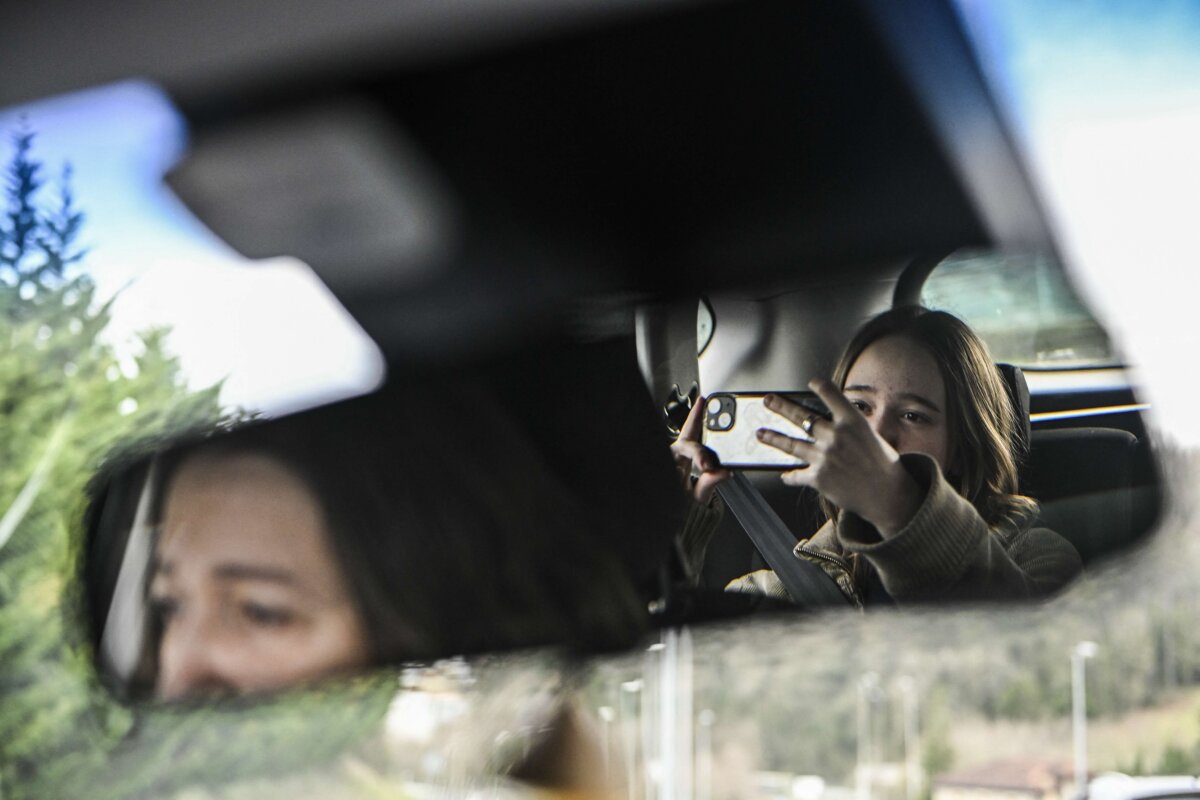
UK lawmakers are continuing to push for tougher restrictions on children’s social media use.
The Education Committee on May 21 called for a statutory social media ban for children and tighter restrictions on “addictive by design” platform features.
Lawmakers urged limits on infinite scrolling, disappearing messages, and algorithm-driven feeds.
Education Select Committee Chair Helen Hayes said she does not “believe that companies who profit from interactions with children can be relied upon to self-regulate.”
“Ministers must take action before it is too late,” Hayes said. “Anything less leaves children, parents, and schools forced to compensate for the unsafe digital worlds enabled by social media firms.”
 Friends Read Free
Copy
Facebook
Tweet
Friends Read Free
Copy
Facebook
Tweet