
In a bid to revive British industry and stimulate economic growth, the government has unveiled a 10-year industrial strategy promising sweeping reforms across key sectors, from technology and manufacturing to the creative industries and professional services.
Launched on Monday, the strategy sets out plans to create up to 1.1 million new jobs by 2035, increase exports, and tackle long-standing productivity challenges.
The UK economy recorded GDP a 0.3 percent fall in GDP in April—the sharpest monthly decline in 18 months—amid rising business costs and global trade pressures.
Ministers described the plan as “a new approach for a new era,” stating that outdated regulations have left the UK ill-equipped to seize emerging economic opportunities.
The strategy identifies eight priority sectors, including creative industries, digital and technology, and professional and business services. While detailed strategies have already been published for five sectors, plans for defence, financial services, and life sciences are expected to follow.
Technology Sector
A major part of the strategy targets the digital and technology sector, which contributed an estimated £207 billion to the UK economy in 2023 and employs about 2.6 million people, according to the sector plan.
The government plans to allocate £22.6 billion annually to research and development (R&D) by 2029–30.
A new £4 billion fund will support strategically important tech firms, with pension reform and investor partnerships aimed at unlocking long-term capital.
The TechFirst programme, backed by £187 million in funding, aims to train one million young people in digital skills.
TechUK has said that Britain is facing a “dual challenge,” demand for upskilling and reskilling workers in the tech sector is rising, while the supply of new talent–including workers, teachers, and graduates–is shrinking.
The association added that the strategy’s success depends on “access to people with the right skills” and called on the government to secure Britain’s competitive advantage in key markets, including semiconductors and AI.
Services and Manufacturing
In manufacturing, £4.3 billion will be channelled into advanced manufacturing industries, with £2.8 billion earmarked for R&D.
“The UK’s Advanced Manufacturing sector will achieve a near doubling of business investment to £39 billion per year,” the strategy states.
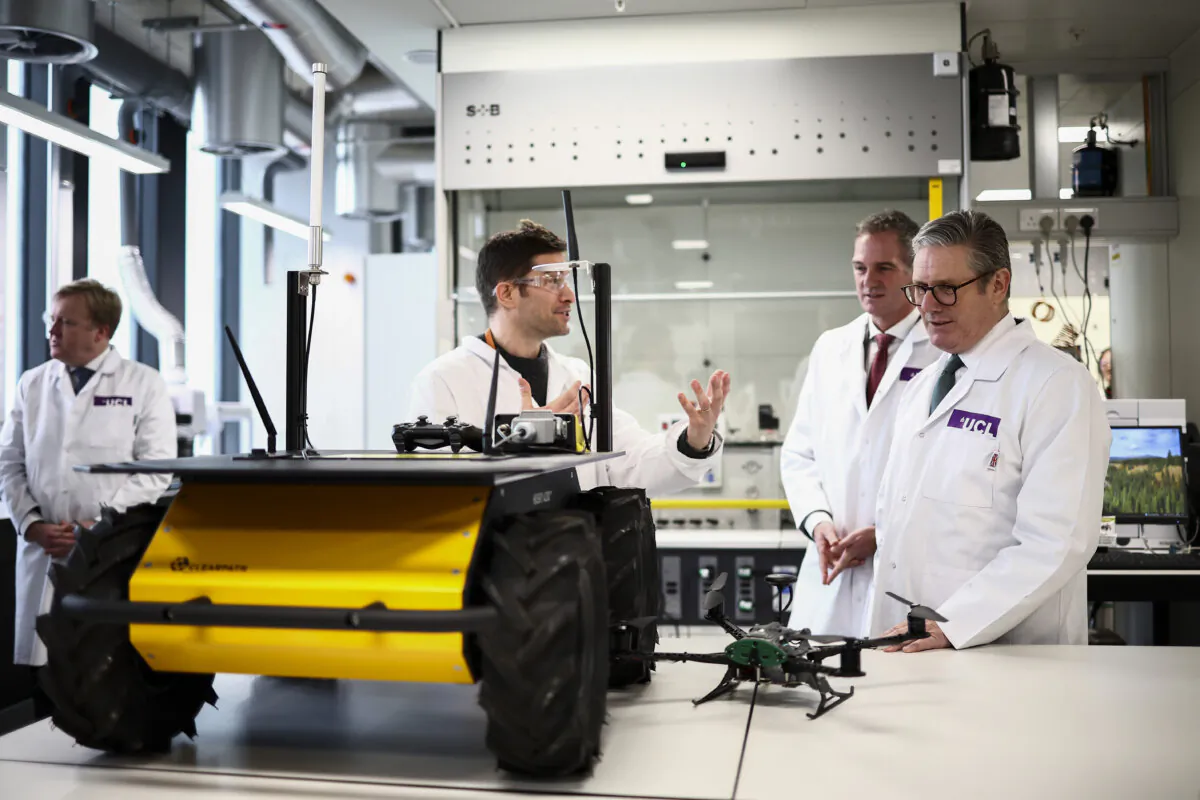
New measures will ease grid access, lower energy costs for energy-intensive sectors, and support technologies like automation, robotics, and composites. The Automated Vehicles Act and the Made Smarter programme will help small and medium firms adopt cutting-edge tools.
Eligible manufacturers will also be exempt from three green energy levies, potentially reducing electricity bills by up to 25 percent for over 7,000 firms under the new British Industrial Competitiveness Scheme.
Despite the funding promises, critics argue the strategy arrives late and lacks sufficient urgency—particularly on energy policy.
Acting Shadow Energy Secretary Andrew Bowie criticised the 10-year plan.
“Labour’s Net Zero plan for business – spend billions of pounds of taxpayers’ money on businesses’ energy bills to offset green levies to stop them going bust!” Bowie said in a June 23 post on the social platform X. “Or maybe just admit Net Zero by 2050 is unaffordable?”
Reform UK’s deputy leader Richard Tice also dismissed the announcement.
“A new 138 page industrial strategy admits that we have massive electricity bills due to the Net Stupid Zero costs, but that we will only reduce some levies for a few firms, and not until 2027!” Tice said in a social media post. “Best strategy is scrap Net Stupid Zero.”
The Society of Motor Manufacturers and Traders Chief Executive Mike Hawes said in a June 24 statement that high energy costs remain the top concern for automotive manufacturers, who already face the steepest energy taxes in Europe.
“The number one priority must be addressing the UK’s high cost of energy,” Hawes said.
Creative Industries
The UK’s creative industries will receive £380 million in funding to support innovation, training, research and local jobs across the country.
The sector is expected to nearly double to £31 billion by 2035, with 2,000 new film and TV apprenticeships also being created.
Shadow Culture Secretary Stuart Andrew warned in an opinion piece published by the Express on Tuesday that Labour’s policies are putting the sector at risk.
He criticised the national insurance hikes and rising business rates, adding that under Labour the creative industries’ “powerhouse sector is being pushed to the brink.”
“Creative businesses often rely on physical spaces, from theatres and music venues. Instead of easing the burden, Labour is letting rates rise, making it harder for these vital spaces to stay open and affordable. The result leads to a devastating blow to our cultural institutions and small creative firms alike are being priced out of existence,” said Andrew.
Industry leaders, including Creative UK CEO Caroline Norbury, said the new plan “signals that the creative industries are central to the UK’s growth story.”
Sky CEO Dana Strong estimated the sector could add £10 billion to the economy and create 40,000 new jobs by 2033.
 Friends Read Free
Copy
Facebook
Tweet
Friends Read Free
Copy
Facebook
Tweet