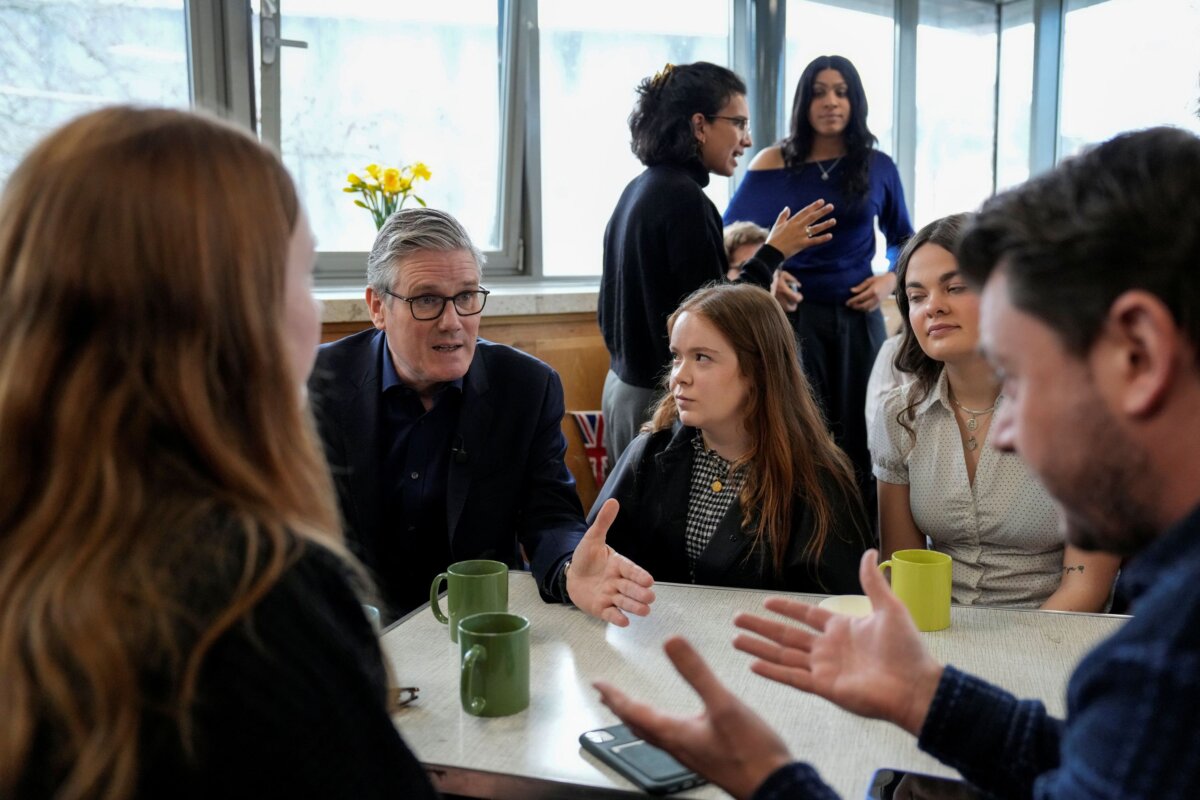

UK Prime Minister Sir Keir Starmer has announced a raft of new proposals aimed at protecting young people from social media addiction within “months not years,” including a proposal for an Australian-style ban for under-16s.
Next month, his Labour government will launch a three-month consultation on a proposed social media ban and other measures which will go beyond current powers covered by the Online Safety Act.
The government also wants to restrict children’s access to AI chatbots and virtual private networks (VPNs), which can be used to access blocked content.
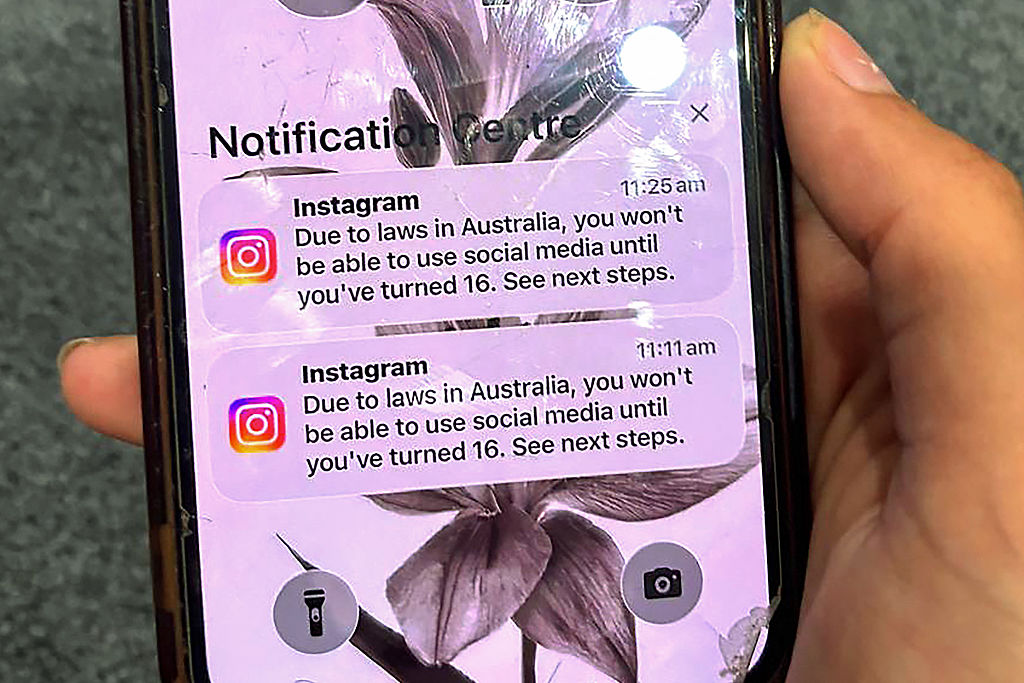
Other European countries including France, Greece, Denmark, Spain, and Slovenia have recently announced plans for similar bans after Australia became the first country in the world to legally block social media access to under 16s in December.
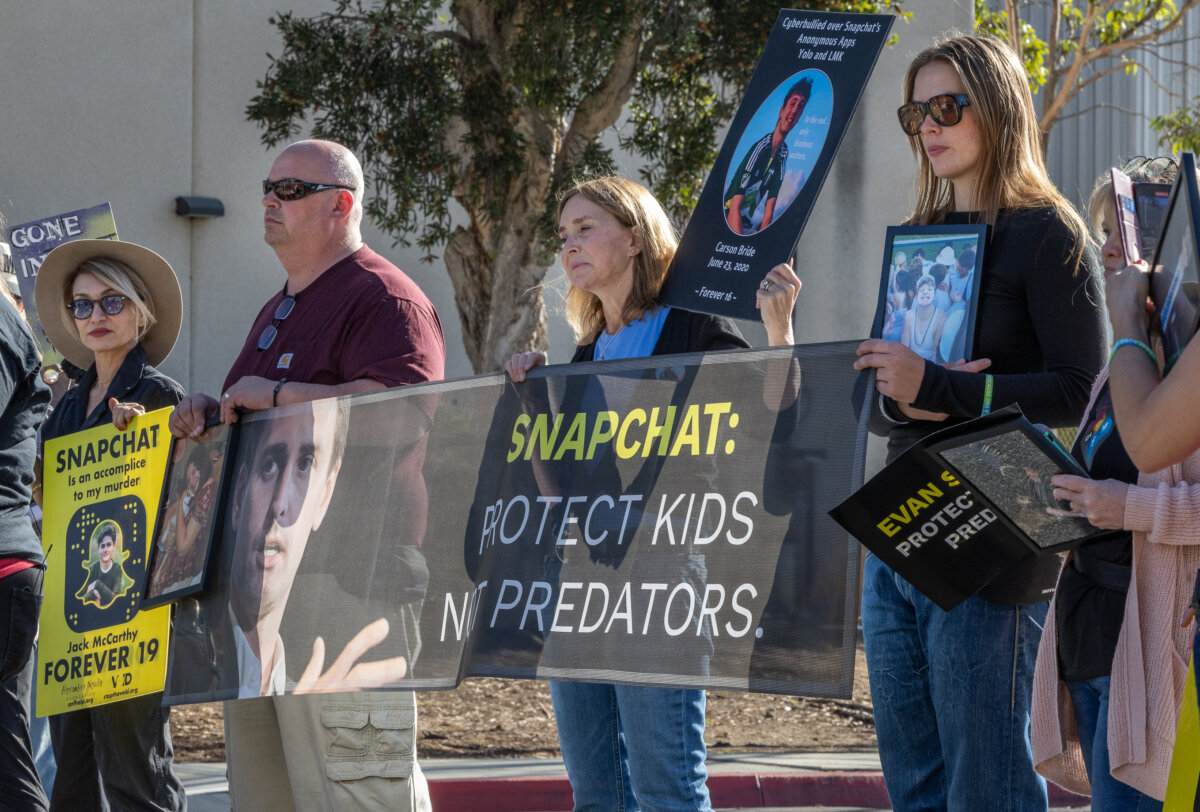
Campaigners in favor of the proposed state intervention say parents are in an impossible position in being expected to monitor what their children are doing online and keep them safe from harm.
The Online Safety Act was passed in 2023 by the previous Conservative government, but current proposals will go further in restricting which content under-16s can legally access.
‘Not Good Enough’
Speaking at a community center in London on Feb. 16, Starmer referred to his two teenage children, saying, “I don’t think there’s a parent in the country who isn’t worried about this, by the way, I really don’t.
“The status quo, things as they are now, is not good enough. Nobody can make the argument that things can be left as they are. They can’t, they’re not protective of children, and we intend to act.”
The prime minister added: “We’ve taken the powers to make sure we can act within months, not years.
“We also need to act very quickly, not just on the age concern, but on the devices and applications that make the sort of auto-scrolling, the constant gluing to the machine that you can never stop scrolling.”
A landmark court case that could have global implications is currently being heard in Los Angeles, with a 20-year-old woman alleging she was harmed by social media companies’ “addictive” algorithms. Last week, the court heard from Instagram boss Adam Mosseri, who said he did not believe social media was inherently addictive.
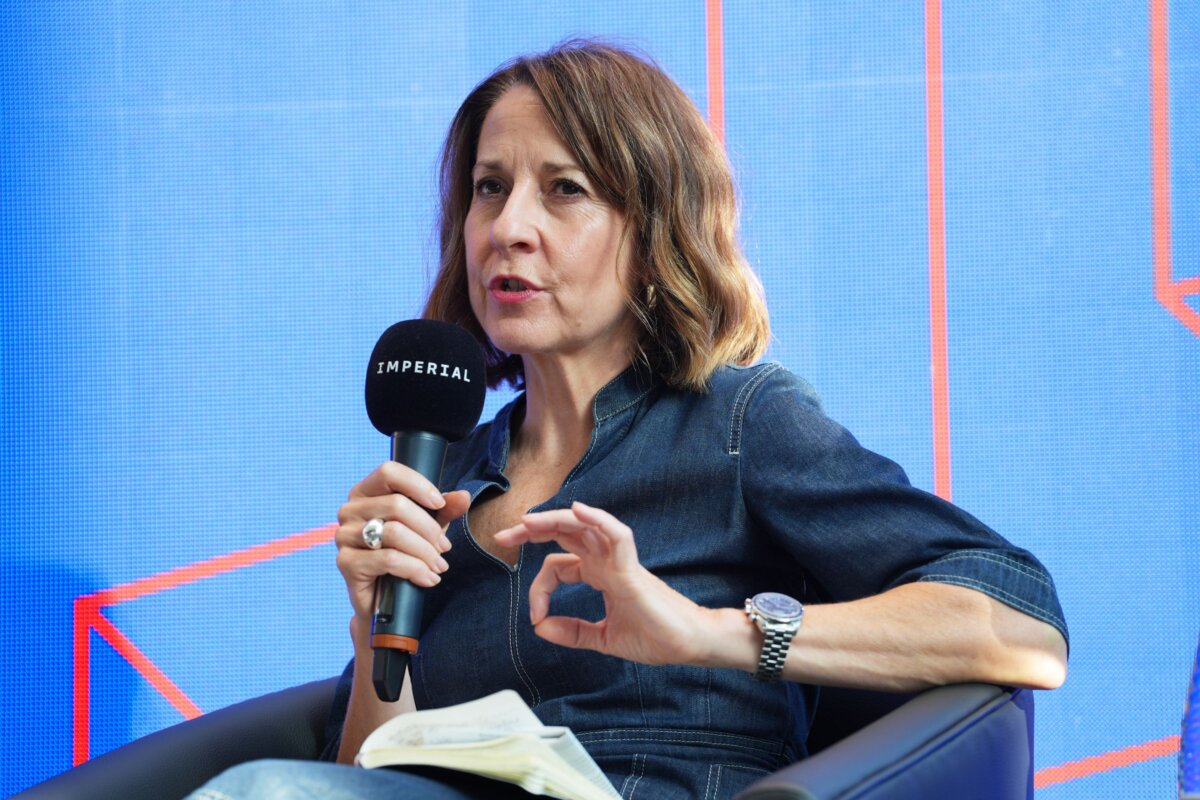
Technology Secretary Liz Kendall told the BBC on Monday that the law has not kept pace with technological innovations, and the government needs to act to “give [children] their childhood back.”
The Online Safety Act brought in new duties for social media and search engines to identify and prevent the spread of illegal or “harmful” content, but Kendall said the length of time it took to enact the bill was “really frustrating.”
The government wants to extend the scope of the Online Safety Act to cover one-to-one conversations with AI chatbots.
“We’re taking steps so that any illegal content shared by AI chatbots, for anyone, adults too, will be stopped,” Kendall told Times Radio.
She said that some children are forming relationships with AI programs that were not designed with child safety in mind.
Votes for Under 16s
Labour also intends to extend the vote to 16- and 17-year-olds, in what would be a major change to the UK franchise law. The age of majority throughout the four nations of the UK is 18.
Starmer was asked by a teenager during Monday’s visit whether the decision to extend votes to young people would be “incompatible” with a potential age-limit on social media, when many use platforms like Tik Tok for politics and current affairs.
The prime minister said that in response, the government must ensure it does not cut off “sensible, good access” to news for young people.
Statistics provided by communications’ regulator Ofcom in 2025 show that 96 percent of 13- to 15-year-olds in the UK have their own social media profile, while 60 percent of children aged 3–5 already have a social media profile in their name.
Data Preservation After Death
The government consultation will also cover a change to the law to bring in automatic data-preservation orders when a child dies, allowing investigators to secure online evidence. This measure, expected to become law, has long been called for by bereaved parents, including Ellen Roome, whose son Jools died at age 14 after possibly having taken part in a viral “blackout challenge.” His phone data was not preserved by social media companies after his death, leaving his family without answers.
The consultation will also consider powers to block the sending or receiving of nude images and to curb virtual “stranger pairing” on gaming consoles.
If the government decides to press ahead with a social media ban and other measures, it intends to embed them into existing crime and child-protection legislation already under consideration in parliament, to speed up the process.
While the government says such measures are aimed solely at child protection, they could have knock-on implications for adults’ privacy and ability to access some services.
Some pornography sites have chosen to block British users rather than carry out age verification checks, although those blocks can be circumvented by using VPNs, which the government is considering restricting for minors.
Big Tech Tensions
Some measures to curb online harms by the UK and the European Union have led to tensions with the United States, the home of many big tech companies, around issues of free speech and regulatory overreach.
Some have raised concerns that genuine harm being done to young minds by social media could be used as a trojan horse to usher in digital ID for age verification purposes. The UK government abandoned proposals for digital ID for work purposes last year, following a public backlash.
The Open Rights Group warned that a social media ban for under-16s would be a “damaging and ineffective response” to online harms, which it says would lead to “age-gating” for all social media platforms, because all users would have to prove their age.
James Baker, a spokesman for the group, said in January after the consultation was announced: “Protecting children online should not mean building a surveillance infrastructure for everyone.
“We need regulation that puts users back in control, not policies that force people to trade their privacy and voice for access to modern life.”
Senior figures from the tech industry have warned that blanket bans on under-16s are technically difficult to enforce and may not improve online safety for children, advocating instead for improved safety tools.
In Australia, which the UK government cites as a model for its consultation, Google’s YouTube government relations head Rachel Lord told lawmakers last October the ban was well-intentioned, but likely to have “unintended consequences.”
“The legislation will not only be extremely difficult to enforce, it also does not fulfill its promise of making kids safer online,” Lord said.
While opposing the ban in Australia, Google said it supports the government’s broader goal of online safety and called for a more “well-crafted” legislative approach that complements existing frameworks.
A majority of adults in the UK support a social media ban for children, according to a recent YouGov poll, but Kendall said some child-protection groups have raised concerns it could push harmful activity into less regulated spaces or make social media an appealing “cliff edge” on turning 16.
Labour did not propose a social media ban for under-16s as part of its manifesto, but on Jan. 21, during the report stage of the Children’s Wellbeing and Schools Bill in the House of Lords, the government was defeated on an amendment put forward by a Conservative peer, Lord Nash, meaning his proposed ban will have to be debated in the House of Commons.
PA Media contributed to this article.
 Friends Read Free
Copy
Facebook
Tweet
Friends Read Free
Copy
Facebook
Tweet