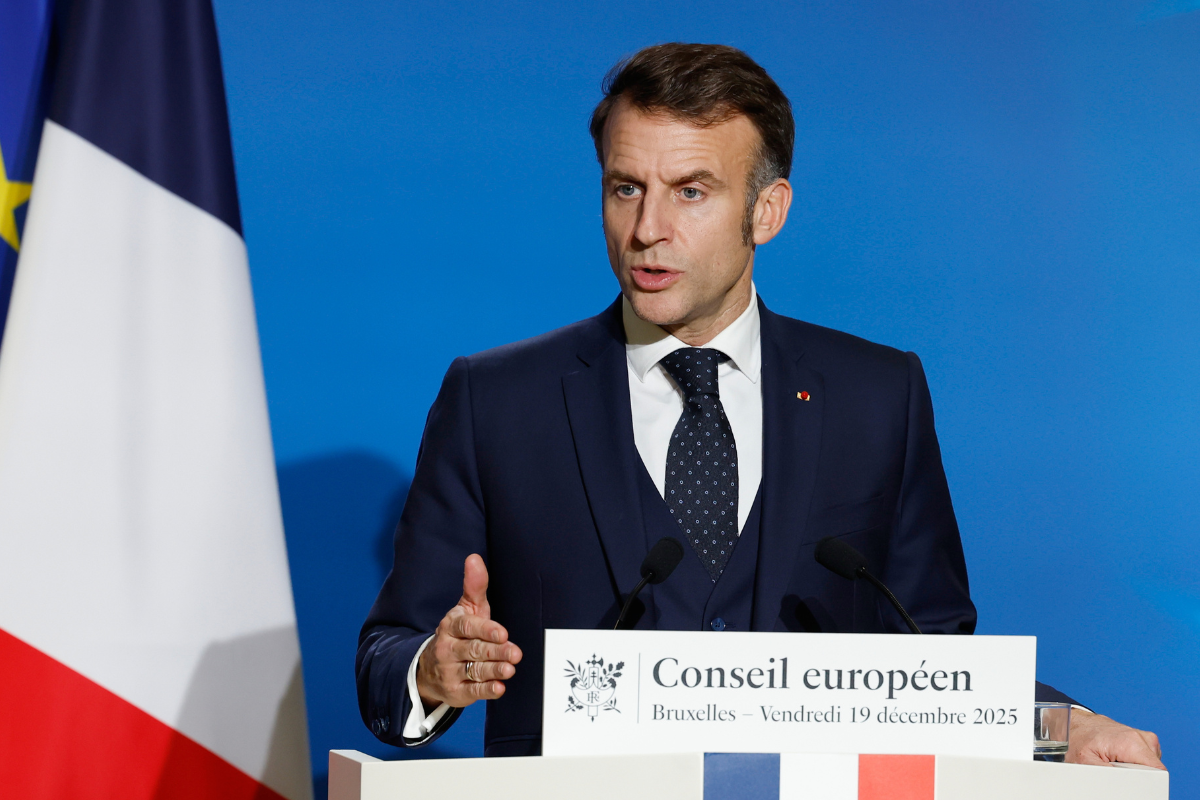

The French government plans to ban children under the age of 15 from social media platforms and to prohibit cellphones in high schools from September, following similar restrictions in other countries amid growing concern over online harms to young people.
France’s President Emmanuel Macron has frequently cited social media as one of the factors responsible for violence among young people and has indicated his intention to mirror Australia’s world-first ban for under-16s on social media platforms.
Macron’s government will submit draft legislation early this month, with the bill listed for debate in the French parliament on Jan. 19, although with the National Assembly split into three blocks with no clear majority party, it is not guaranteed to pass.
Digital ID Concerns
French politicians with strong libertarian instincts could oppose social media bans due to concerns about the possible introduction of mandatory digital ID for age verification purposes.
In a New Year’s Eve address to the French people, Macron did not refer to the push for a new law, but he did pledge to “protect our children and teenagers from social media and screens.”
Mobile phones have been prohibited in French primary and middle schools since 2018, and the proposed changes would extend that ban to high schools. In the French educational system, pupils aged 11 to 15 attend middle schools.
France passed a law in 2023 requiring social media platforms to obtain parental consent for children under 15 to create accounts, but technical challenges have impeded its enforcement.
Mental Health Concerns
Following a fatal stabbing of a female teaching assistant at a school in eastern France in June, Macron vowed to push for regulation from the European Union to ban social media access for under-15s throughout the bloc. A 14-year-old schoolboy has been charged with murdering the 31-year-old woman.
The European Parliament in November called on the EU to set minimum ages for children to access social media to help combat the rise in reported mental health problems among adolescents.
A number of countries and U.S. states have taken various steps to try to regulate children’s access to social media amid concerns about the amount of time many young people spend online and the potential negative effects this can have.
Denmark’s Prime Minister Mette Frederiksen said in October that her government will ban social media use for under-15s, telling lawmakers that online culture has “unleashed a monster” epidemic of depression and anxiety in young people.
The Danish proposed legislation is similar to a planned law in neighboring Norway, while Malaysia has announced a planned social media ban for under-16s starting in 2026 as part of wider youth protection measures.
Political Crisis
Macron is facing a difficult 2026 in terms of domestic politics after his gamble on parliamentary elections in 2024 led to a hung parliament, triggering a political crisis in France that has seen a succession of prime ministers resigning and minority governments unable to push through much proposed legislation.
The centrist coalition formed to support Macron, Ensemble pour la République, lost 86 seats in 2024, placing government bills at the whim of the opposition parties from both the left and the right.
While Macron’s approval rating with the French public has plummeted to a historic low of just 11 percent, cracking down on children’s access to social media could prove popular, according to opinion polls. A 2024 survey showed 73 percent of respondents in France supported a ban on social media access for under-15s.
New European Commission guidelines on the protection of minors have made it possible for EU member states to set their own national age limits for social media use. Most social media platforms have an age minimum of 13 years.
Under the Digital Services Act, the EU-wide law requires platforms to protect minors from harmful content and ensure age verification, but it does not set a fixed age limit that applies across all member states.
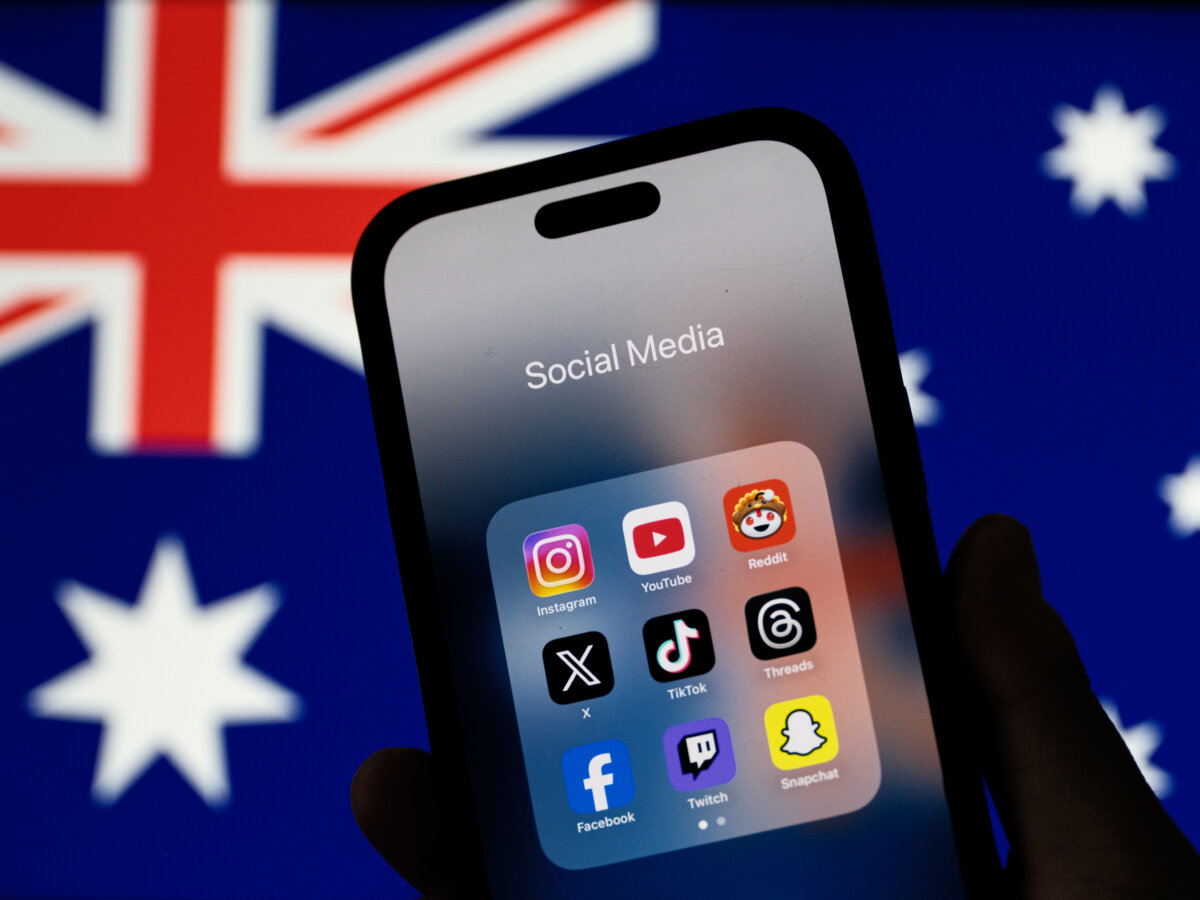
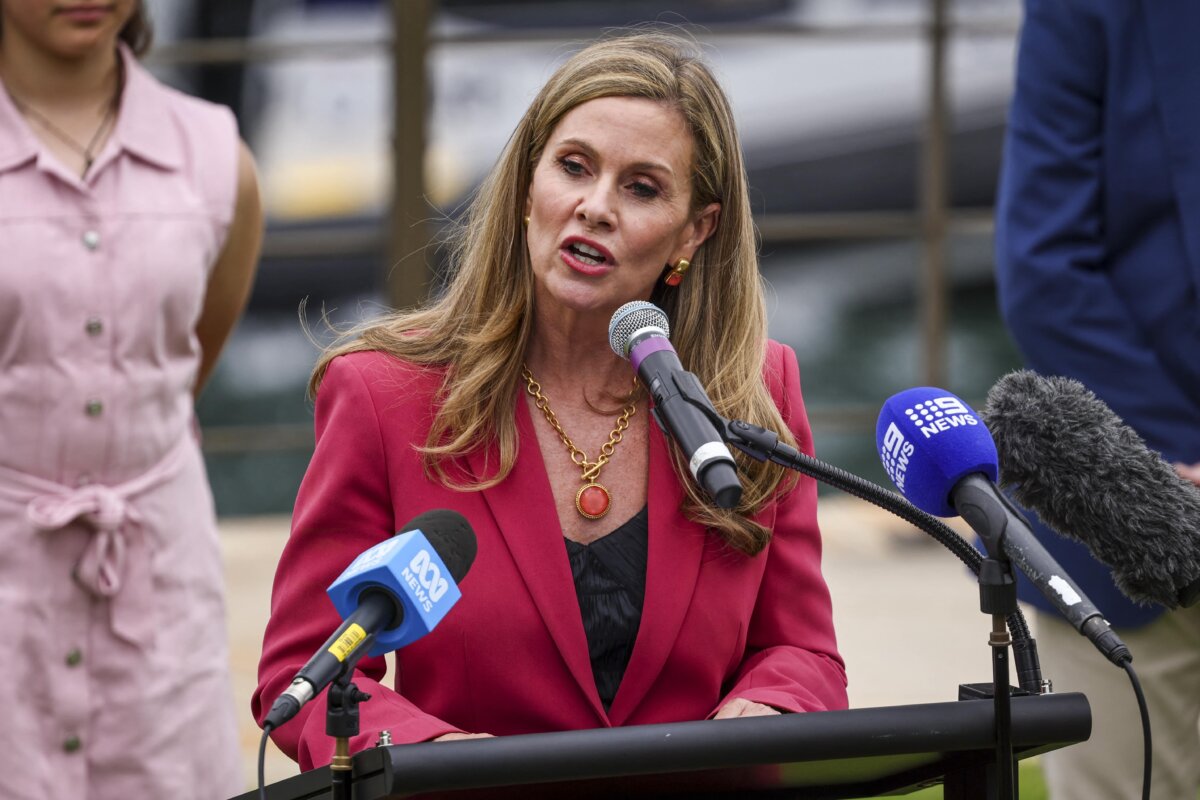
Facebook, Instagram, Kick, Reddit, Snapchat, Threads, TikTok, Twitch, X, and YouTube are now age-restricted platforms in Australia, and are expected to take “reasonable steps” to prevent those younger than age 16 in the country from having or signing up for accounts.
The Australian government has acknowledged that the ban is not a quick fix, with almost 86 percent of children in the country between the ages of 8 and 15 using social media, saying it will take time to filter out current underage users and prevent new ones from joining.
Reuters contributed to this report.
 Friends Read Free
Copy
Facebook
Tweet
Friends Read Free
Copy
Facebook
Tweet