
Funding could be cut for universities and public institutions that fail to tackle anti-Semitism under a new national strategy unveiled on July 10.
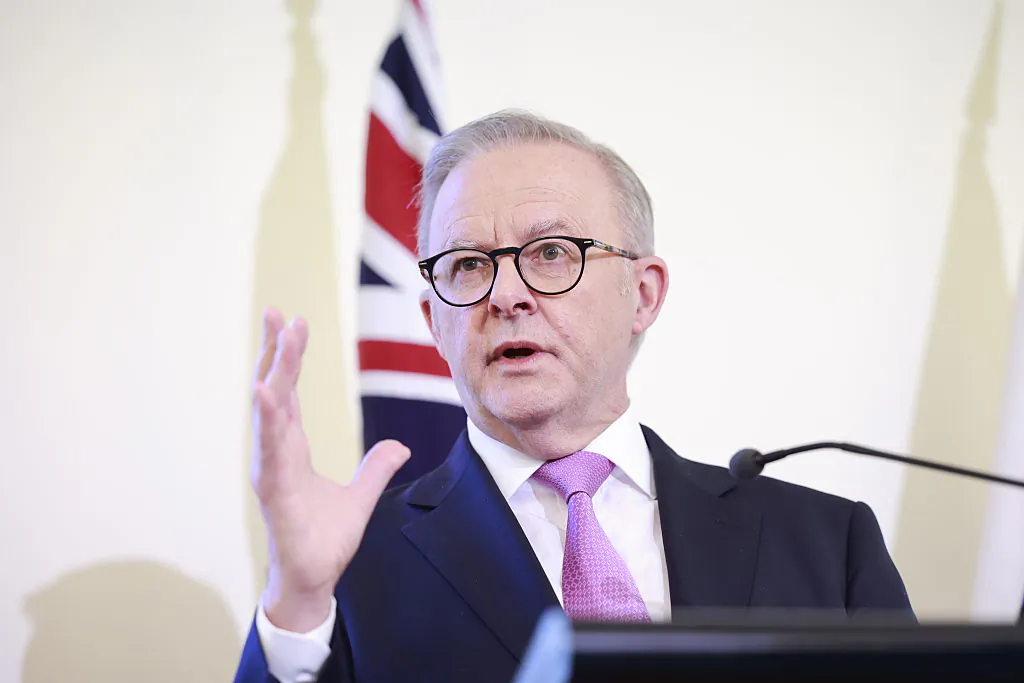
Prime Minister Anthony Albanese and the Special Envoy for Combating Anti-Semitism Jillian Segal together revealed the proposal saying it was time to take “decisive, national action.”
The plan includes monitoring universities, media outlets, visa applicants, and online content, while also proposing reforms to hate speech laws at both federal and state levels.
Segal warned the country must prevent “the normalisation of anti-Semitism,” calling for a broad national effort to reduce hate against Jewish Australians.
“We’ll now carefully consider the report recommendations,” said Albanese.
He noted that some measures were already underway, while some proposals would take longer to roll out. The government will also receive annual progress reports.
Monitoring Campuses and Media
Segal recommended assigning a “report card” to universities, measuring how well they protect Jewish students and staff, including through complaints systems and codes of conduct.
Institutions that fail to act decisively against anti-Semitic incidents may face cuts to federal funding or loss of government grants.
She also called for investigations into foreign sources of funding at universities suspected of supporting anti-Semitic academics or activities. If problems persist, the federal government may establish a judicial inquiry into campus anti-Semitism by the beginning of the 2026 academic year.
Segal further recommended that she be empowered to monitor media organisations to encourage “accurate, fair and responsible reporting,” warning against narratives that distort or deny Jewish experiences.
In addition, public funding for broadcasters, arts events and cultural institutions should be “readily terminated” if they facilitate or tolerate anti-Semitic conduct.
‘Hate Speech’ Laws Should Be Broadened: Segal
Segal said hate speech legislation needs to be strengthened to criminalise the promotion of hatred more effectively. Existing laws, which prohibit inciting hate crimes, require that the speech leads directly to violence.
Law enforcement should be supported with clearer guidance, and prosecutors should prioritise identifying and charging individuals who engage in online hate, with the cooperation of social media platforms.
The prime minister supported these proposals, saying social media had contributed to a rise in anti-Semitism.
“Social media has a social responsibility, and they need to be held to account,” he added.
Segal also advocated for new transparency obligations on social media platforms to prevent the amplification of hateful content.
Envoy Says Reported Incidents Up 300 Percent
The report follows another spike in public anti-Semitic incidents, including an arson attack at a Melbourne synagogue last week and protests at an Israeli-owned restaurant in the city’s CBD.
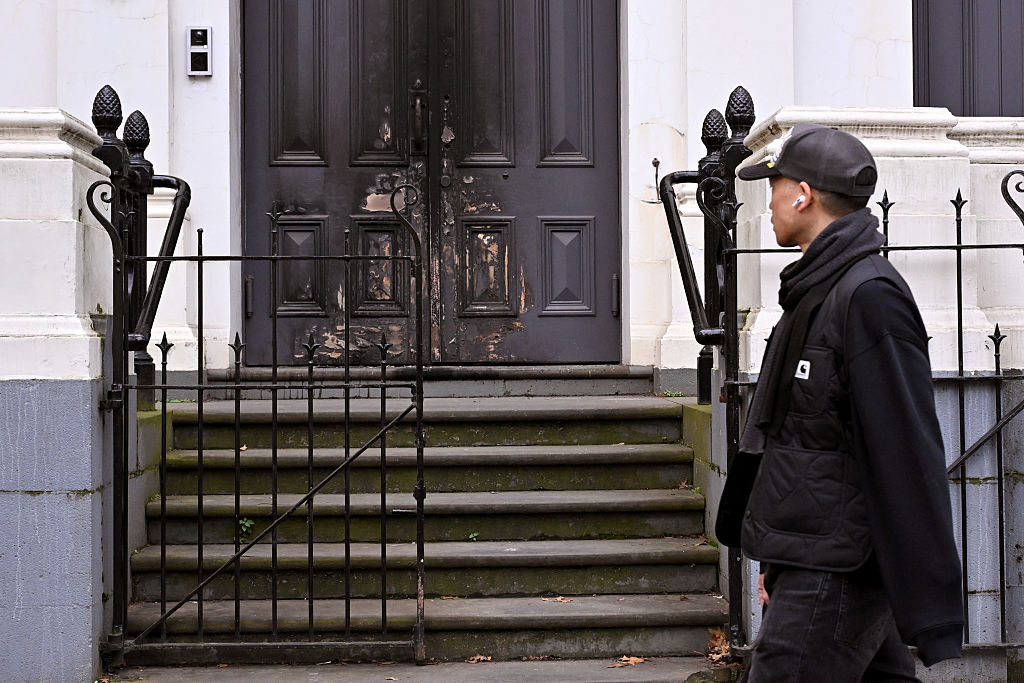
Segal, appointed a year ago, said anti-Semitism was present in Australia long before the Oct. 7 Hamas terror attack in Israel, but had surged since then.
“In the space of just one year, reported incidents increased over 300 percent,” she noted.
“These are not isolated events and they form part of a pattern of broader intimidation and violence that is making ordinary Jewish Australians feel very unsafe,” Segal said.
Some Jewish advocacy groups have demanded a ban on university protest encampments. Segal did not propose a ban but insisted institutions that failed to protect Jewish students should face consequences.
Albanese said he would measure the policy’s success on whether students could “go to school without any fear.”
Long-Term Strategy to Push Hate to the Margins
Segal’s recommendations are part of what she describes as a “comprehensive, long-term approach” already adopted in countries such as the United Kingdom and the United States.
“We cannot hope to really abolish anti-Semitism, but we can push it to the margins,” she said.
Segal highlighted generational differences in the experiences of Jewish Australians and stressed the need for better education on Jewish culture in schools and universities.
The report noted that younger Australians were more prone to anti-Semitic views and urged the use of trusted voices—particularly on social media—to challenge such narratives.
PM: Criticism of Israel Must Be Respectful
Albanese reiterated that criticism of Israel’s actions in Gaza can and should be expressed respectfully, reaffirming his long-held support for a two-state solution and humanitarian concerns.
“I have released statements with other leaders that have been critical of the actions of the Netanyahu government,” Albanese said.
“I will continue to put forward a position that is consistent with the position that we have taken on the Middle East, but you can put forward those views respectfully.”
He added that public dissent is a sign of democratic strength.
“It might be said by people in Israel, there are demonstrations in Israel that are bigger than any of the demonstrations that have been held in Australia. That’s a good thing in a democracy, but it’s a good thing if it’s done in a respectful and clear way and will continue.”
Opposition Says Government Action Limited
The federal opposition said it was not clear which recommendations would be adopted by Labor, saying there were 49 of them and only three were directly related to government.
They include being able to remove charitable status for groups that promote anti-Semitism, changing funding for festivals and cultural institutions, and establishing a judicial inquiry.
“This is a work plan for the Special Envoy not a commitment by the Albanese government,” said Shadow Attorney-General Julian Lesser, in a statement to The Epoch Times.
“Fighting the tidal wave of antisemitism cannot be left to the envoy alone, it needs the prime minister’s commitment, not just to hear the envoy’s advocacy, but to action her policies.”
 Friends Read Free
Copy
Facebook
Tweet
Friends Read Free
Copy
Facebook
Tweet