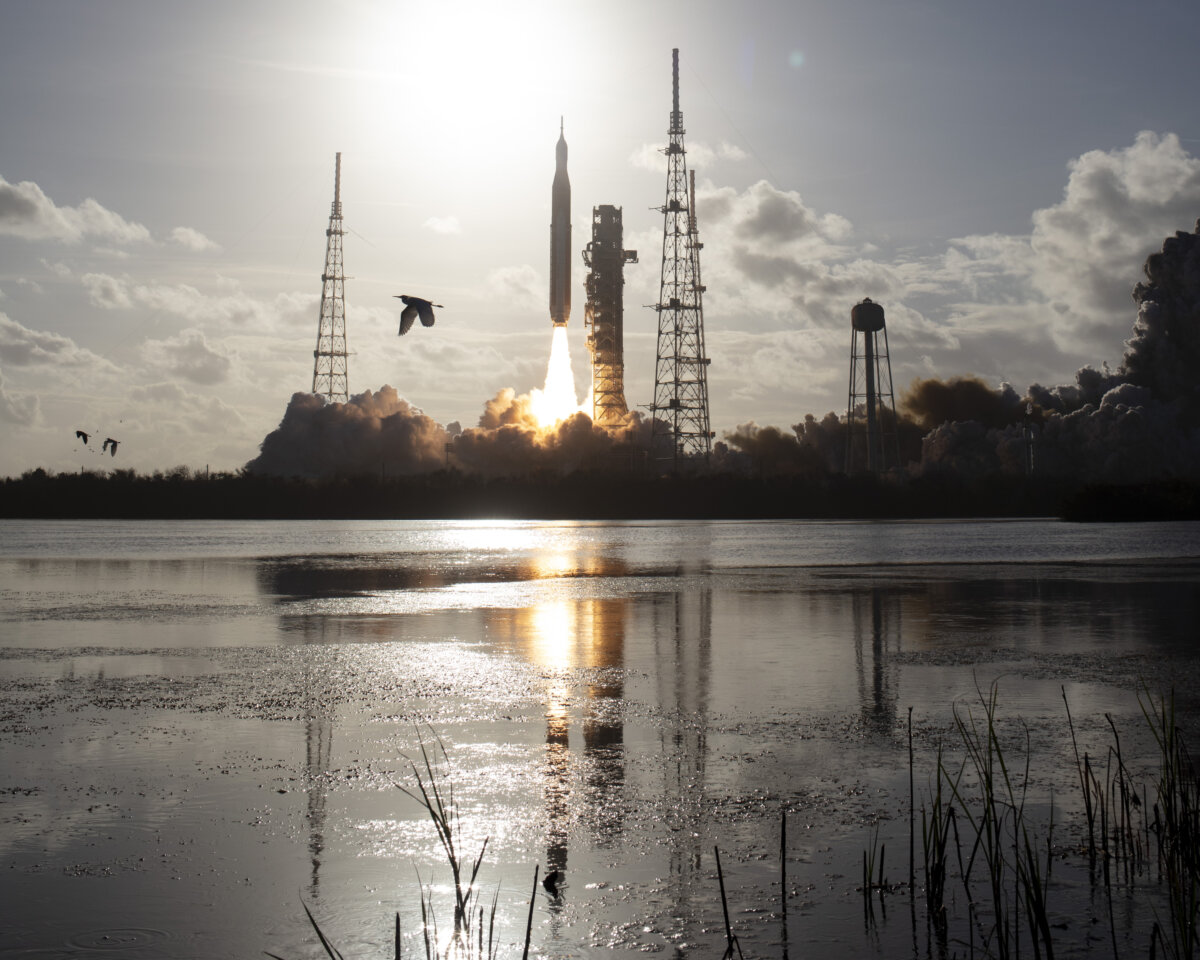

The United States government is increasingly looking to New Zealand as a possible space launch site, as the Pentagon warns that existing infrastructure is struggling to keep pace with an unprecedented surge in missions.
A recent Congressional briefing paper (pdf) says the U.S. Space Force anticipates supporting 173 launches in 2026—a massive jump from just 25 a decade earlier.
With the addition of SpaceX’s giant “Starship” rockets, that number may top 300 annual launches by 2035, placing unsustainable pressure on famous sites like Cape Canaveral.
As a result, the U.S. Department of Defense is searching for alternatives. A new military appropriations bill has tasked the Secretary of the Air Force with finding launch sites outside the continental United States.
Why New Zealand?
New Zealand has emerged as a top candidate because it is already the world’s third-most frequent launcher of orbital rockets, with over 70 successful rocket launches to its credit.
Military planners see several “natural” advantages in the South Pacific:
New Zealand has some of the world’s lowest levels of air and sea traffic, allowing for more frequent launches with fewer delays.
Its geographic position is also perfect for launching satellites into polar orbits, which travel over the North and South Poles to scan the entire earth.
Finally, a Technology Safeguards Agreement is already in place, allowing sensitive U.S. rocket tech to be used on New Zealand soil.
From Commercial to ‘Security’
The partnership is moving beyond just business. Last week, New Zealand Space Agency officials met with the U.S. State Department to discuss space-related threats to shared security interests.
Documents released to RNZ under the Official Information Act show that New Zealand’s Ministry of Foreign Affairs has been actively pushing for a closer deal.
A November briefing noted that “stronger partnership” with Washington could bring significant economic benefits.
However, the shift toward military space cooperation marks a significant change in how New Zealand uses its clear skies—moving the country from a commercial hub to a strategic player in global defense.
 Friends Read Free
Copy
Facebook
Tweet
Friends Read Free
Copy
Facebook
Tweet