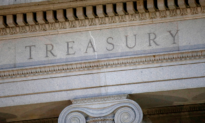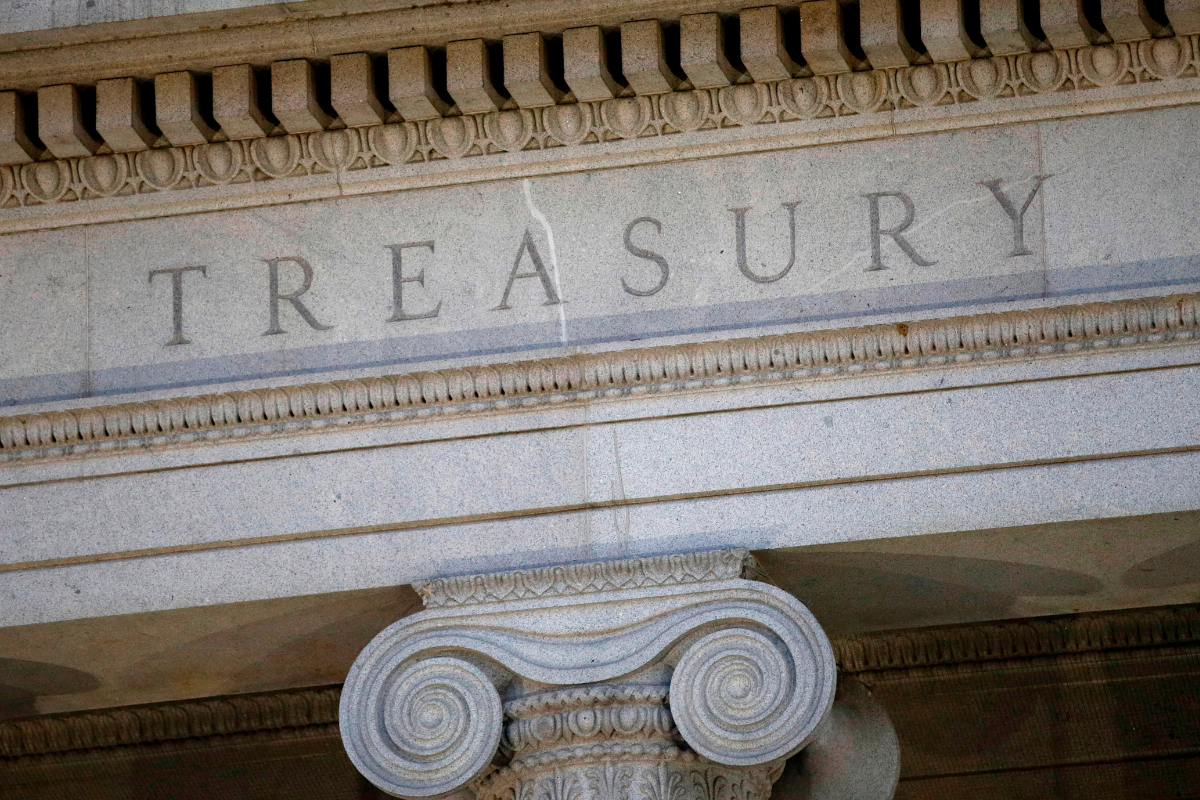

The U.S. Treasury Department imposed new sanctions Thursday on Iran’s military oil trade.
The Office of Foreign Assets Control designated eight vessels carrying Iranian crude oil and petroleum products, plus more than 15 entities that help move and sell the oil.
Targeted ships include the Marshall Islands-flagged tanker Flora, the Comoros-flagged crude tanker Huancayo, and the Panama-flagged tanker Ill Gap. Among the entities are Hong Kong-based firms Worth Seen Energy Limited, Mehdiyev Trading Co., Tida Co. and Damai Technology Development Limited, as well as Dubai-based Symphony Shipping and Maritime Management Inc. and UAE-based Luan Bird Shipping Service LLC.
The designations block any U.S. property or transactions involving the targets and expose foreign parties to secondary sanctions risks.
The sanctions target Sepehr Energy Jahan Nama Pars Company, the oil sales arm of Iran’s Armed Forces General Staff, which relies on front companies and shadow fleet vessels to generate revenue.
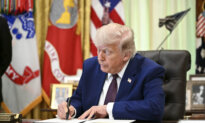
“We will not allow the Iranian government to increase its oil revenue for the purpose of reconstituting its armed forces and military capabilities,” Treasury Secretary Scott Bessent said in a statement. “The Treasury Department will continue to increase pressure on Iranian oil sales to deprive the Iranian regime and its military of the financial resources it needs to threaten U.S. allies and partners in the Middle East.”
The action builds on Security Presidential Memorandum 2, which directs sustained pressure to limit threats to U.S. partners, following the conflict that began in February, when U.S.–Israeli strikes hit the country, seeking to destroy its nuclear program.
The sanctions arrive as Washington and Tehran reached a tentative agreement to extend a ceasefire and ease restrictions on shipping through the Strait of Hormuz. President Donald Trump has not yet approved the deal. The U.S.–Israeli military campaign that began Feb. 28 closed the strait—through which 20 percent of the world’s oil and gas normally flows—and has roiled global energy markets.
The measures form the latest step in the Trump administration’s “Operation Economic Fury,” a campaign of extreme economic pressure on Iran. Treasury Secretary Scott Bessent in April described Economic Fury as the “financial equivalent” of the earlier kinetic strikes, targeting elites, revenue streams, and evasion networks. On Wednesday, the Treasury designated Iran’s Persian Gulf Strait Authority, an Islamic Revolutionary Guard Corps-linked scheme to demand tolls from ships transiting the strait. The Trump administration said “charitable donations” or in-kind payments to Iran for passage would risk sanctions.
Iran’s military has long used illicit oil sales to fund terrorist organizations. Sepehr Energy Jahan ships millions of barrels through Hong Kong and United Arab Emirates intermediaries to buyers in China, often via front companies such as Tida Co. and Mehdiyev Trading that handle chartering, payments, and storage.
In 2025, Washington imposed sanctions on ghost fleet tankers, Chinese refineries, and entities selling Iranian oil to China. That continued into 2026 when Washington froze regime-linked cryptocurrency and disrupted shadow banking.
 Friends Read Free
Copy
Facebook
Tweet
Friends Read Free
Copy
Facebook
Tweet