
The U.S. government imposed additional sanctions against Tehran on Oct. 1, targeting Iran’s automotive and rail industries as the Trump administration continues to pressure the regime to make a deal.
The sanctions, which the Treasury said will target “some of the last significant elements of Iran’s failing industrial infrastructure,” came as part of an expansion of Operation Economic Outcast.
In Thursday’s expansion, the Treasury’s Office of Foreign Assets Control imposed sanctions on Iran’s automotive and rail sectors.
The department previously announced sanctions against individuals and entities operating in Iran’s shipping, aviation, technology, gold, and digital asset sectors.
As a result of the U.S. military blockade preventing Iran from exporting oil, Iran has become more dependent on other industries, including its automotive and rail sectors, according to the Treasury.
U.S. Central Command said that as of Sept. 30, U.S. forces had redirected 125 ships to ensure compliance with the blockade.
Thursday’s sanctions targeted what the Treasury described as the “critical arteries” the Iranian regime has relied on to evade sanctions and maintain its economy.
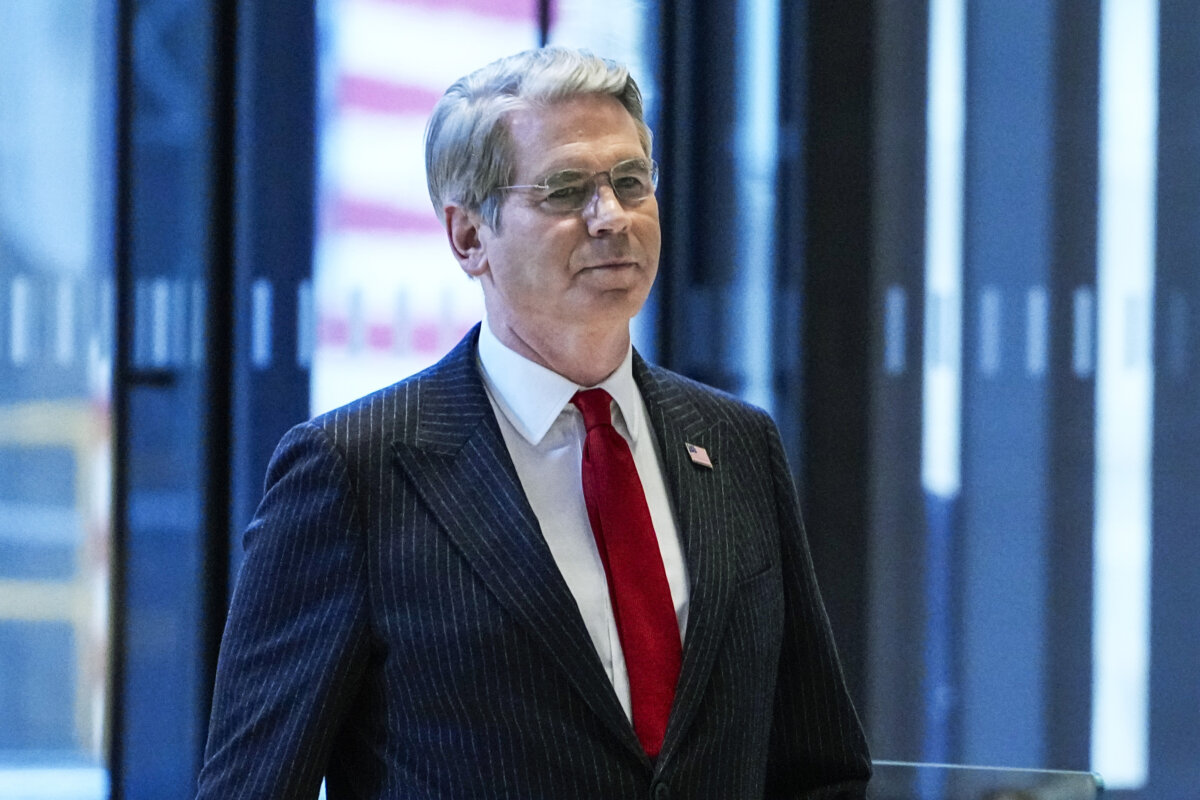
Treasury Secretary Scott Bessent previously told Fox News on Sept. 27 that Iran would have “nothing to trade for anything, probably within the next two weeks” after it finished delivering its remaining oil exports.
“The Iranian regime’s ability to fund its war machine and inflict terror on the world has been severely diminished thanks to Operation Economic Outcast,” Bessent said in a statement on Thursday.
“Today’s action directly targets Iran’s enablers and lays the groundwork for the United States and our partners to drain the regime’s revenue once and for all.”
The sanctions targeting Iran’s automotive industry included the designation of the Iran Khodro Company and SAIPA Iranian Automobile Manufacturing Company, which the Treasury said represent more than 90 percent of the country’s domestic auto market.
Other companies designated for sanctions on Thursday included Iran Khodro Diesel, Pars Khodro Company and Zamyad Company, Niroo Motor Shiraz Industrial and Manufacturing Company, and Niroo Motor Damavand Company.
Iran’s automotive sector is an “essential component” of its defense industrial base and a “lucrative cash cow” for the Islamic Revolutionary Guard Corps, the Treasury said.
In addition to targeting Iran’s automotive companies, the Treasury also sanctioned multiple foreign companies that supply the country with auto and truck parts.
Those companies included United Arab Emirates-based Integrated Auto Parts, Turkey-based Troy Trading Arac Parcalari Sanayi Ve Ticaret, Tanex Global Trading Hong Kong Limited, and Hong Kong-based Hessenberg Co. Limited.
The Treasury said Iran has also been using its rail sector to transport oil and maintain trade in the region in response to the U.S. military’s naval blockade of Iranian ports.
Entities sanctioned on Thursday in Iran’s rail sector include the Islamic Republic of Iran Railway Company, Raja Passenger Trains Company, and Sherkat-E Rah Ahan-E Khamle-O-Naghle.
Under the sanctions, any property of the designated entities in the United States or in the possession of U.S. persons will be blocked and must be reported to the Treasury’s Office of Foreign Assets Control.
Any entities owned 50 percent or more by blocked persons will also be blocked.
“The United States is closing every avenue the Iranian regime uses to fund instability and terrorism,” State Department spokesman Tommy Pigott wrote in a statement on X.
US Sanctions Russia-Linked A7 Network
The Treasury also announced multiple actions on Thursday targeting the A7 Network, which it described as a “shadow banking network” linked to Russia and used by Tehran to evade sanctions.
The Treasury’s Office of Foreign Assets Control designated the A7 Network as a “significant transnational criminal organization.”
In addition, the Treasury’s Financial Crimes Enforcement Network issued an alert to help financial institutions detect and report any suspicious activities related to the Russia-linked banking network.
The Treasury also proposed a rule that would ban fund transfers for transactions involving the network’s sub-agents.
The A7 Network was created and supported by sanctioned individuals in an effort to evade U.S. sanctions, according to the Treasury.
The department added that the network uses sub-agent companies to mask payments linked to sanctioned sectors and entities, including Iran’s Islamic Revolutionary Guard Corps and Iranian proxy groups like Hamas, as typical commercial activity.
“Today’s action targeting A7 continues Treasury’s unprecedented efforts to isolate Iran and its financial enablers and sends a clear message that if you facilitate illicit finance for America’s adversaries, you will lose access to the U.S. financial system,” Bessent said.
 Friends Read Free
Copy
Facebook
Tweet
Friends Read Free
Copy
Facebook
Tweet