
Very few towns and cities in New Zealand have installed water meters and bill separately for drinking water, stormwater and sewage, instead rolling the cost into a single rate covering all council services.
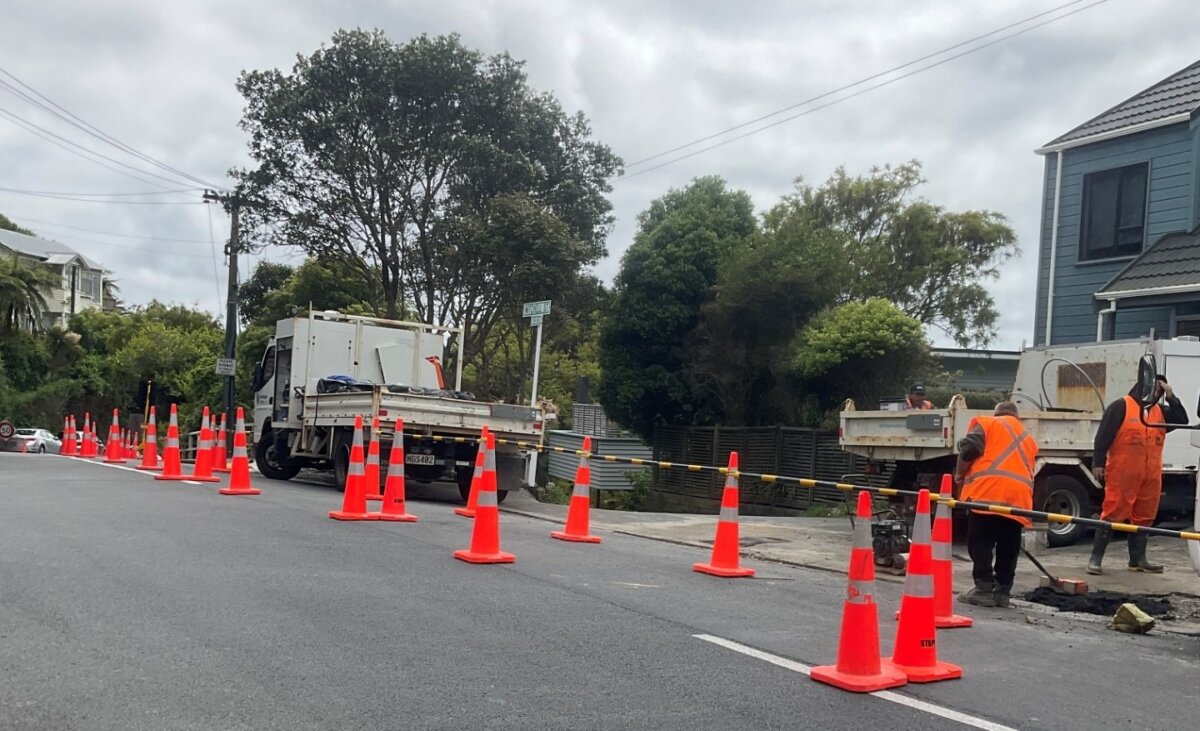
A s a result, New Zealand local authorities have been underspending on water and wastewater infrastructure for decades. That means most pipes for both drinking water and stormwater are past their expected lifespan of 32 years, with many aged 50 years or older.
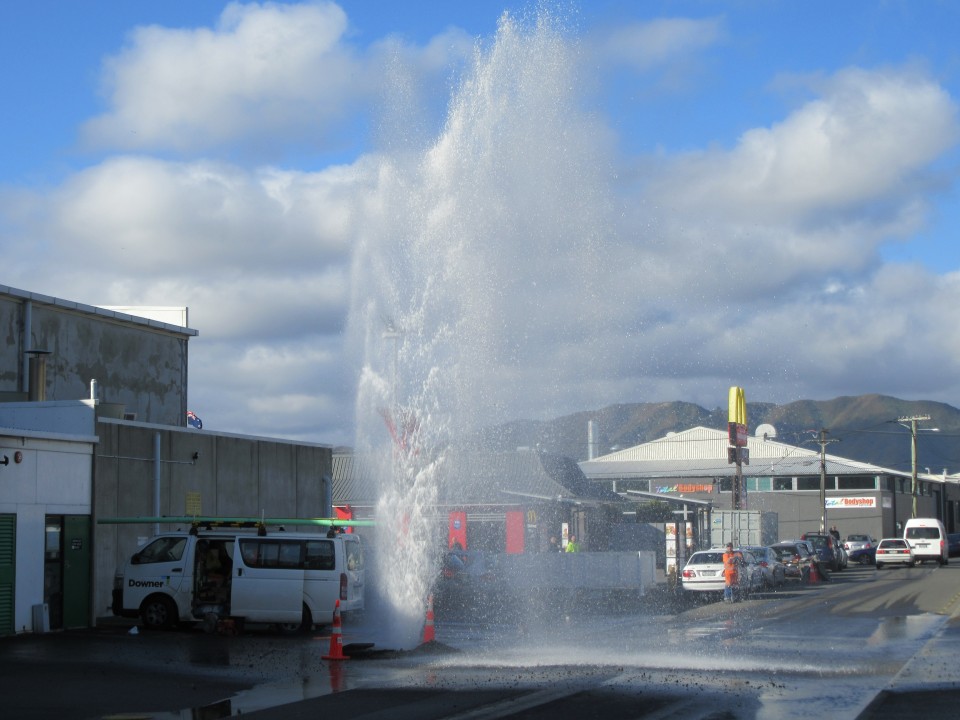
For instance, the nation’s capital, Wellington, is one of the worst hit by this phenomenon, with expert reports estimating that it has 237 kilometres of pipes in “very poor” condition and 653 kilometres in “poor” condition. The city has become infamous for the geysers of drinking water, pumped under pressure, which will erupt from underneath its roads.
The bill to repair the country’s pipes is estimated at $120 to $180 billion over the next 30 years, with most of it allocated to replacing aging infrastructure rather than making extensions or improvements.
Meanwhile, estimates of the cost of treated water lost to bursts and leaks is about $122 million a year, and also poses public health risks if the water is polluted.
Councils complain that leaving them to foot the bill will require rates to rise rapidly to levels unaffordable for many and that they have less borrowing power than the central government.
Similar Proposals
When in power, Labour proposed taking water away from the 67 councils that currently manage it and handing it to four regional water entities, its “Three Waters” plan.
The entities would be publicly owned, with councils holding all the shares in the entity that serviced their area. Costs would be spread across a larger population, and the water entities could borrow at government rates.
The plan—which Labour spent $1.2 billion setting up—floundered on the issue of co-governance, a proposal that local Māori iwi (tribes) have equal say with the Crown in appointing directors to the entities.
Councils also complained that their water assets were being taken without any compensation.
Many people found this unpalatable, and the National Party campaigned on repealing it as soon as it was elected.
On Aug. 20, its replacement, known as “Local Water Done Well,” passed its third reading in Parliament, with the government saying it will provide a “flexible” framework for councils to address challenges related to drinking water, wastewater, and stormwater infrastructure
Labour leader Chris Hipkins said it left councils “carrying the can” for work they could not afford.
But Local Government Minister Simeon Brown and Prime Minister Christopher Luxon said the new law will empower councils to set up council-controlled organisations (CCOs) to manage water. One CCO may be owned by many councils, so that, to some extent, the plan duplicates Three Waters.
However, the current government will not provide financial assistance for setting up the CCOs, and it will not underwrite their borrowing. Instead, it believes the CCOs will be able to borrow at reasonable rates because they don’t carry the level of debt currently held by Councils.
“They’ll be able to access the long-term funding and financing separate from councils’ borrowing for council services, and they’ll be able to have ring-fenced revenues so they’re able to make those long-term investments,” Brown said.
But Labour’s Kieran McAnulty, the former minister who handled Three Waters before the election, disputes this.
“You can’t have council control and balance sheet separation: that is a consistent thing in all the advice and peer reviews and actually the peer review of the … report which the National Party plan is based on,” he said. “It doesn’t add up, it’s not going to work.”
‘Racist’ Water Plan
During the third reading debate, NZ First MP Jamie Arbuckle celebrated the removal of co-governance from the legislation.
“Isn’t it great to get rid of co-governance from this piece of legislation? Get rid of it! We are about New Zealanders. We are about Kiwis,” he said.
But the Māori Party MP Mariameno Kapa-Kingi said the government was “ignoring the role of Māori in the delivery of water services. Removing these provisions is not progress, it is reform, it is regression, and it is deeply and only racist,” she said.
While the overall cost of replacing burst and ageing pipes will remain in the hundreds of billions, the cost to each person of implementing the new scheme will vary depending on the choices made by each council.
But for Wellington, at least, the estimate is that the cost of delivering and taking away water will rise by 9 percent a year every year, meaning a monthly water rates bill of more than $300 within about a decade.
 Friends Read Free
Copy
Facebook
Tweet
Friends Read Free
Copy
Facebook
Tweet