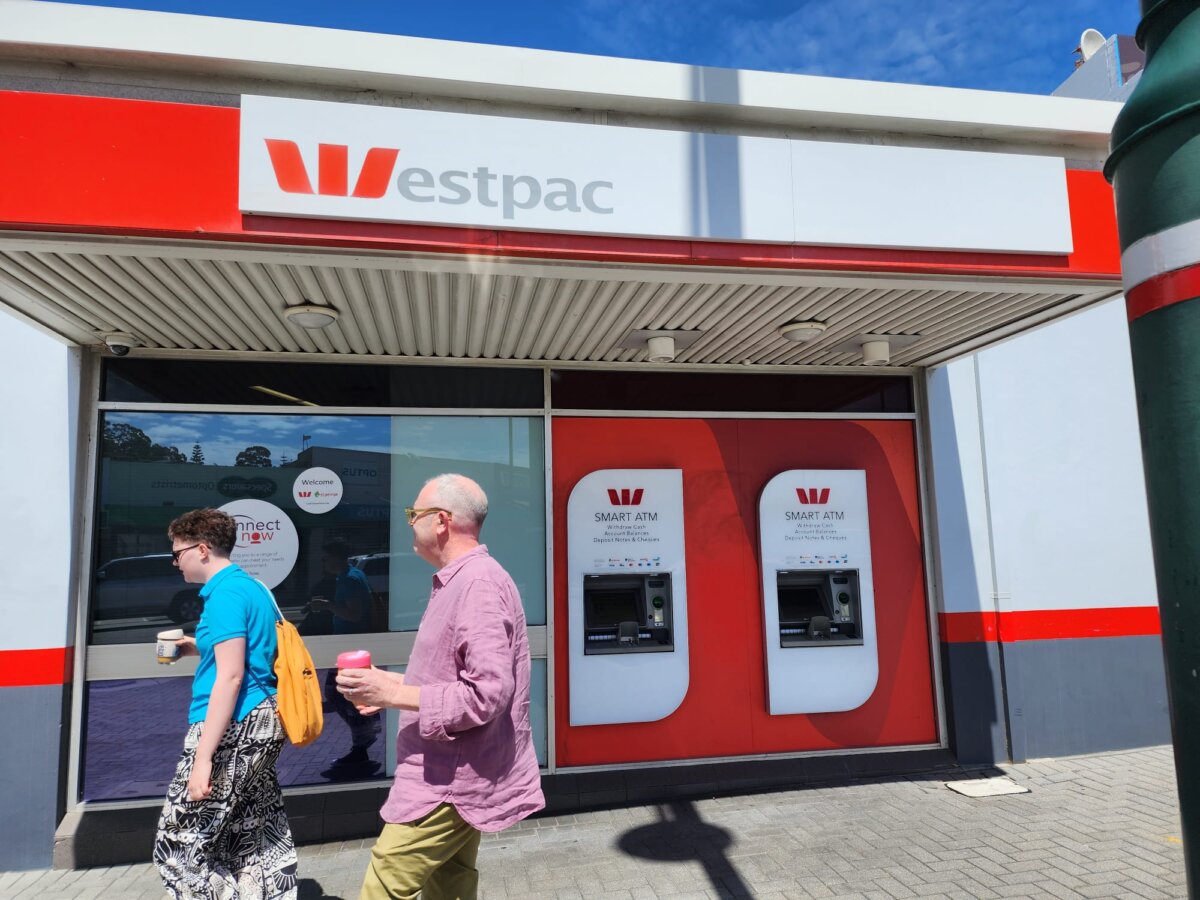

A Federal Court has fined banking giant Westpac $26 million (US$18.5 million) for seriously breaching the National Credit Code and the National Consumer Credit Protection Act.
The case, brought by the Australian Securities and Investment Commission, centred on the bank’s failure to respond to more than 200 online financial hardship requests within the required timeframe, with some customers receiving no response at all.
The failures occurred over nearly six years, from 2017 to 2023, though Justice Timothy McEvoy concluded they resulted from “inadequate systems and operational failures” rather than deliberate conduct. Nevertheless, he found the bank had been “grossly negligent.”
Customers of Westpac subsidiaries—St George Bank, BankSA and Bank of Melbourne—were also affected.
The affected customers held a range of credit products, including home loans, credit cards, personal loans and car loans, and were experiencing financial hardship due to factors such as sickness, domestic abuse, or natural disasters.
The National Credit Code allows for people in that situation to apply to change their credit contracts so as to be able to maintain payments.
McEvoy also found that Westpac’s own policies defined financial hardship as occurring when a customer is “willing but unable to meet their existing financial obligations for a period of time.”
“Examples of situations which might cause financial hardship … included unemployment, reduced income, injury or illness (including carer responsibilities), death of a family member, natural disaster, overcommitment or indebtedness, and vulnerability,” he said in the ruling.
“The types of financial assistance offered to customers were described at various times in these policies as including loan extensions, short-term reduced payments, short-term moratorium, interest rate reduction, debt settlement, debt waiver, and any contractual rearrangement that Westpac considered appropriate.”
A credit provider that declines to offer financial assistance must notify the customer of the decision and explain the reasons for it. The provider must also supply the customer with the contact details for the Australian Financial Complaints Authority (AFCA) and information about their rights to lodge a complaint under the scheme.
But as a result of Westpac failing to act, or to act in a timely manner, some customers had adverse credit information recorded in their files and had their debts sold to collection agencies, which then pursued those debts.
“These circumstances add an additional layer of harm, and significance, to Westpac’s conduct,” McEvoy said.
Publication Order
In addition to the financial penalty, the judge ordered that Westpac and its subsidiaries must publish an “adverse publicity notice” on the front page of their websites for at least 90 days. They were also given one month to rectify the system and process failures that led to the hardship notices being ignored.
According to ASIC Deputy Chair Sarah Court, the fine made it clear that Westpac and other lenders need to improve how they handle clients seeking assistance.
“Westpac failed the very customers who needed help when they needed it most. These were customers who were asking for some breathing room for a range of reasons, including domestic abuse, natural disasters, serious illness or the loss of their job, she said in a statement.
“Instead of providing a safety net for these customers, Westpac’s systemic failures let them slip through the cracks. When hardship requests are missed or delayed, the harm compounds and causes even greater customer stress.
“As Australians contend with a higher cost of living, lenders must prioritise their customers, especially those who are struggling financially, and ensure they are given the protections they are entitled to under the law.”
Lower Penalty Rejected
ASIC sought penalties of $30 million, but Westpac argued that would be “excessive and inappropriate,” suggesting $10 million instead.
In rejecting Westpac’s submission McEvoy said that such a penalty “would be little more than derisory in the circumstances and therefore wholly inappropriate.”
In a similar case last year, NAB and its subsidiary AFSH Nominees were ordered to pay a $15.5 million penalty for failing to respond to customers’ hardship notices within the time required by law.
Meanwhile, ANZ, another “big four” bank, was fined $240 million in 2025 for multiple misconduct breaches across its institutional and retail banking divisions.
Around $40 million of that penalty related to failures to respond to hundreds of customer hardship notices—in some cases for more than two years—as well as failures to maintain adequate hardship processes.
ASIC is currently pursuing home loan manager Resimac over alleged failures to assist customers facing financial hardship. The matter is set down for a case management hearing in July.
 Friends Read Free
Copy
Facebook
Tweet
Friends Read Free
Copy
Facebook
Tweet