
News Analysis
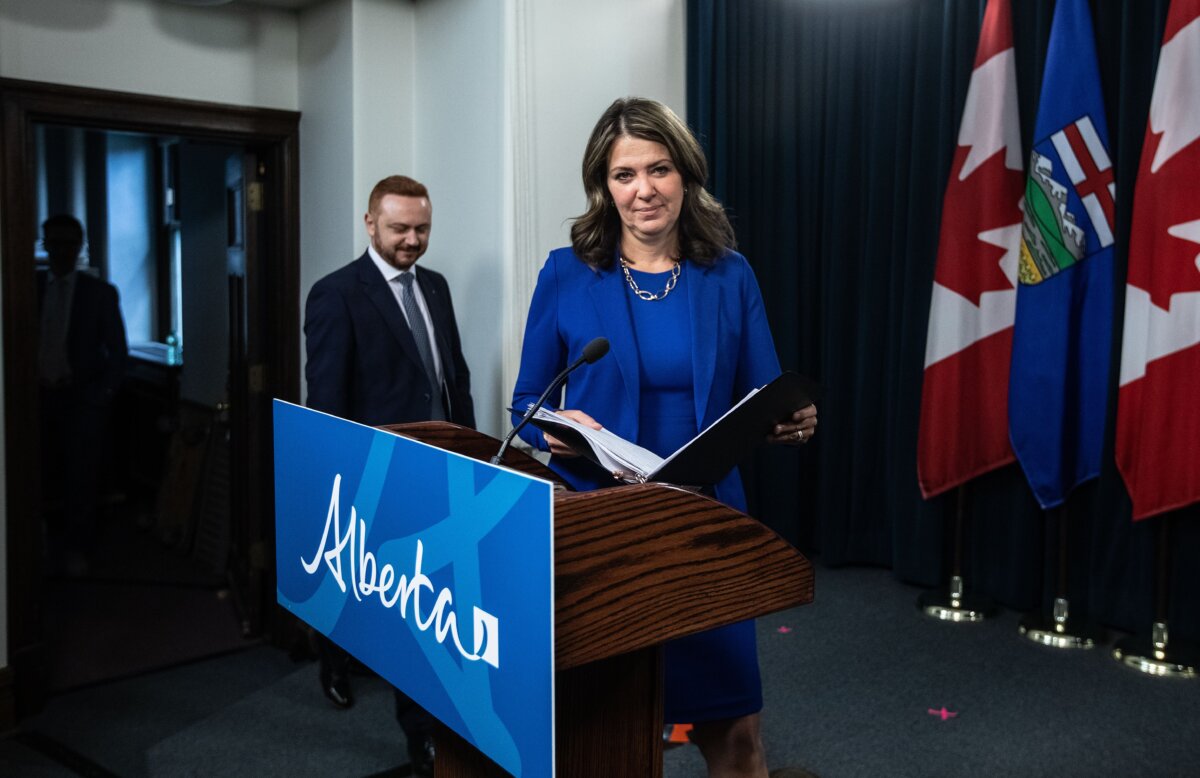
Alberta Premier Danielle Smith’s call for more provincial input into judicial appointments follows a series of clashes she’s had with judges over policies and legislation her government has introduced.
The federal and Alberta chief justices have pushed back on this demand, saying the current system is sound and ensures judicial independence.
Smith recently said Alberta would withhold funding for new judicial appointments unless Ottawa grants the province a greater role in selecting candidates, including through a new committee process and eased bilingualism requirements.
What Alberta Wants
In a letter to Prime Minister Mark Carney made public on Feb. 3, Smith said the appointment process for judges needs reform. She wants Alberta to be consulted on future appointments to the Court of King’s Bench, the Court of Appeal, and the Supreme Court of Canada.
Alberta funds and operates its provincial court system and has authority to appoint judges only at the provincial court level; appointments to superior and federal courts are made by the federal government.
Currently, judges are selected for these higher courts through the federal government-appointed Judicial Advisory Committees. Members include nominees from provincial institutions, such as the Alberta chapter of the Canadian Bar Association and the provincial Law Society, as well as federal appointees and public representatives. All committee members come from Alberta for the courts in the province.
Appointments recommended by the committees are approved by the federal justice minister, who then formally recommends the candidates to the governor general for appointment.
Smith proposes creating a committee that would include Alberta appointees to help assess and recommend candidates for King’s Bench and Court of Appeal positions to the justice ministers, and to also have a say for Supreme Court candidates.
She says this collaboration would help ensure appointments “appropriately reflect Alberta’s distinct legal traditions” and strengthen public confidence in the administration of justice.

The system proposed by Smith would give the province a formal consultative role before Ottawa fills vacancies affecting Alberta, and establish a new federal-provincial advisory committee with two members appointed by Alberta and two by the federal government. Smith also called for an easing of bilingualism requirements, saying the current policy “further entrenches systemic barriers and alienation for Western Canadians and does not reflect Canada’s broader linguistic diversity.”
Under the proposal, the Alberta justice minister would work collaboratively with the federal justice minister on the shortlist of candidates before names are forwarded to the prime minister for approval.
“Providing Alberta with a formal and meaningful role in the appointment process would strengthen public confidence in the administration of justice, promote national unity within Alberta and help ensure judicial decision-making reflects the values and expectations of Albertans,” Smith wrote in her letter.
The Office of the Commissioner for Federal Judicial Affairs Canada said that it doesn’t comment on political statements regarding the process of judicial appointments.
However, it noted in a statement to The Epoch Times that “appointments to Canada’s superior courts follow a transparent, merit-based process administered by our office” and added that “this process supports the constitutional principles of judicial independence and helps maintain public confidence in the administration of justice.”
Alberta’s chief justices have pushed back against Smith’s efforts, saying it erodes the independence of the judicial branch.
“Independence of the judicial branch protects the public. It ensures judges can make decisions based solely on the law and evidence presented,” the justices wrote in a joint letter. “It frees judges from pressure or influence from external sources including the governments that appoint us.”
The Jan. 27 letter is signed by acting Chief Justice of Alberta Dawn Pentelechuk, Chief Justice for the Court of the King’s Bench of Alberta Kent Davidson, and Alberta Chief Justice James Hunter.
Clashes With Judiciary
Smith has clashed with the judiciary several times in recent years, criticizing what she calls “activist” judges while expressing concerns that courts are undermining the decisions of elected leaders.
A significant clash occurred in December 2025 when the Alberta Prosperity Project (APP) submitted a petition question for approval asking whether Alberta should become a sovereign nation and leave Canada. Justice Colin Feasby of the Alberta Court of King’s Bench ruled that the question, as put forward under Alberta’s Citizen Initiative Act, contravened the Constitution because it could impair constitutional rights, including First Nations’ treaty rights, and therefore could not proceed under that law.
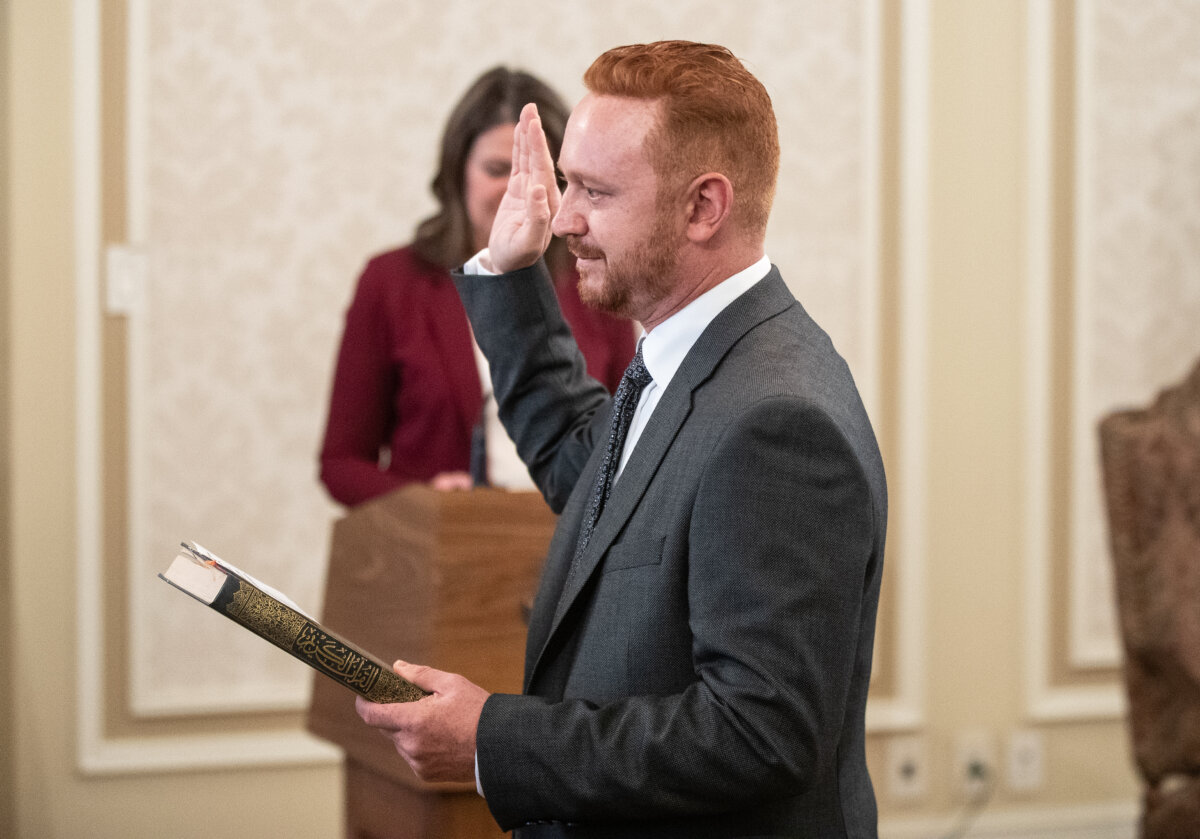
The ruling came just after new legislation introduced by Smith’s government—Bill 14, also known as the Justice Statutes Amendment Act—was tabled. The bill would remove the chief electoral officer’s authority to refer proposed referendum questions to the courts and transfer some responsibilities to the justice minister, including provisions affecting the ongoing constitutional review.
Justice Feasby criticized the changes ahead of the ruling, saying they effectively undermined the rule of law and “silenced the court.” The Alberta government defended the reforms, arguing they would reduce barriers to citizen-initiated questions, and that the judge was interfering with “well-established democratic process” with his remarks.
The changes enacted under Bill 14 allowed the APP to file an amended petition question on Alberta’s separation from Canada. The amended petition question asking Albertans if they support separation from Canada was approved on Jan. 2, and has until May 2 to collect 177,732 signatures in order to proceed to a vote.
Smith has said she doesn’t support Alberta’s separation from Canada but has emphasized her commitment to respecting the democratic process, including by facilitating referendums via citizen petitions.
For years, Smith has also pointed to other decisions that she says exemplify what she calls “activist” judges legislating from the bench. She has cited rulings on bail for violent offenders and judicial decisions that challenge or strike down government policies as instances where she believes judges are overstepping into areas better handled by elected officials.
The premier also recently invoked the notwithstanding clause to block challenges to provincial legislation limiting gender transition for minors, keeping female-only sports competitions off limits to transgender athletes, and requiring parental consent before school staff use students’ preferred pronouns. The move came after a court in 2024 blocked a similar pronouns law in Saskatchewan, after which Premier Scott Moe invoked the notwithstanding clause to bypass the court ruling and bring in his legislation.
According to Smith, everything from firearms rules to policing priorities are being undermined by the appointment of justices who don’t represent “Alberta’s legal traditions” or the will of its people and their elected representatives.
History
Calgary-area civil liberties lawyer James Kitchen says the standoff over judicial appointments has occurred because of a growing gap between judicial decisions and how residents who Smith represents view the issues.
Kitchen points to various pandemic-era rulings that largely upheld the positions of the government as an example.
Smith won leadership of the United Conservative Party (UCP) in 2022 after running a campaign with a significant focus on opposing COVID-19 restrictions and vaccine requirements. She positioned herself as a defender of civil liberties and a prominent critic of what she portrayed as federal government overreach during the pandemic.
“I would offer that Smith is both aware herself and being made aware by her constituents of the increasing and concerning gap between the judges that we have in Alberta and the people that they’re supposed to serve,” Kitchen said in an interview.
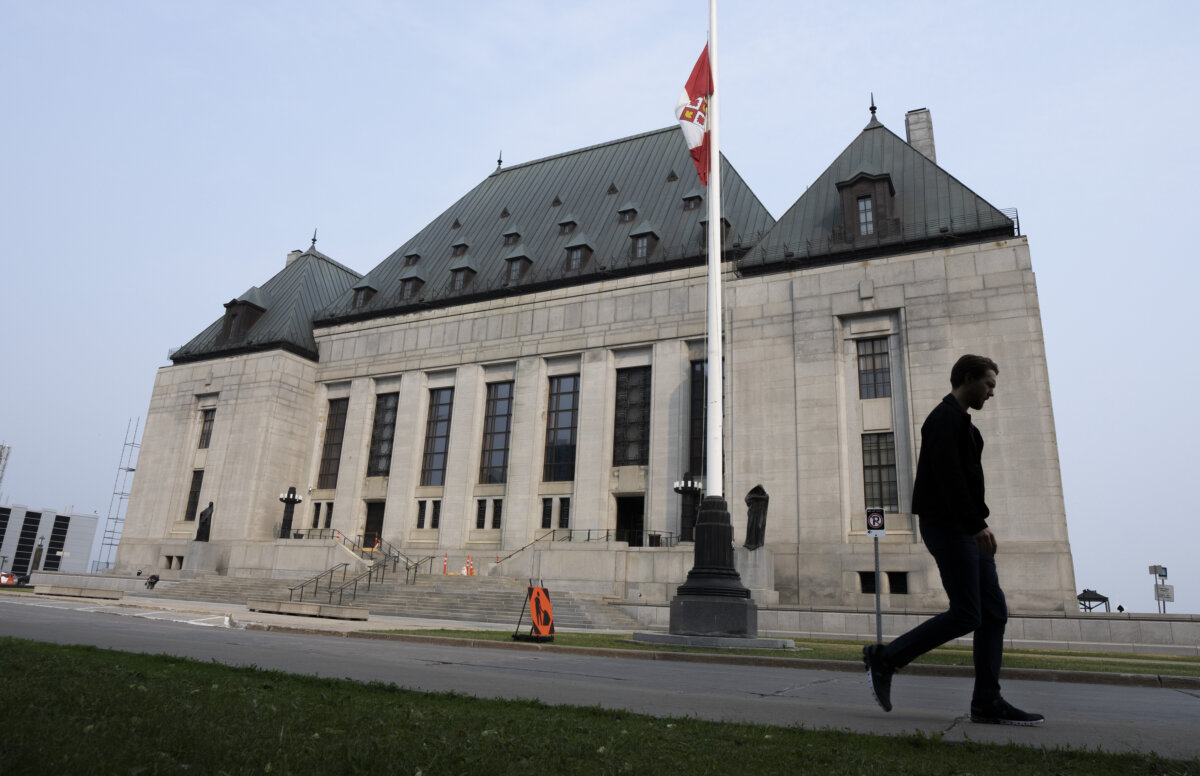
Polling data suggests that Alberta has among the lowest trust in the country for the judiciary system. A November 2024 survey conducted by Angus Reid found that only 32 percent of Albertans reported high or total confidence in the Supreme Court of Canada, compared to 44 percent in Ontario and 77 percent in Quebec.
The poll also found that 67 percent of Albertans reported having little or no confidence in their criminal courts, the second-highest level in the country, behind only Manitoba at 72 percent.
Civil liberties lawyer Marty Moore said Alberta’s demands also tie into a perception of bias in the courts connected to former Prime Minister Justin Trudeau.
“Under Prime Minister Trudeau, who was not too popular in Alberta, more than 1,000 federal judicial appointments were made across Canada,” he said.
Between November of 2015 to March of 2025, the Trudeau government appointed 1,062 judges across Canada.
Pushback
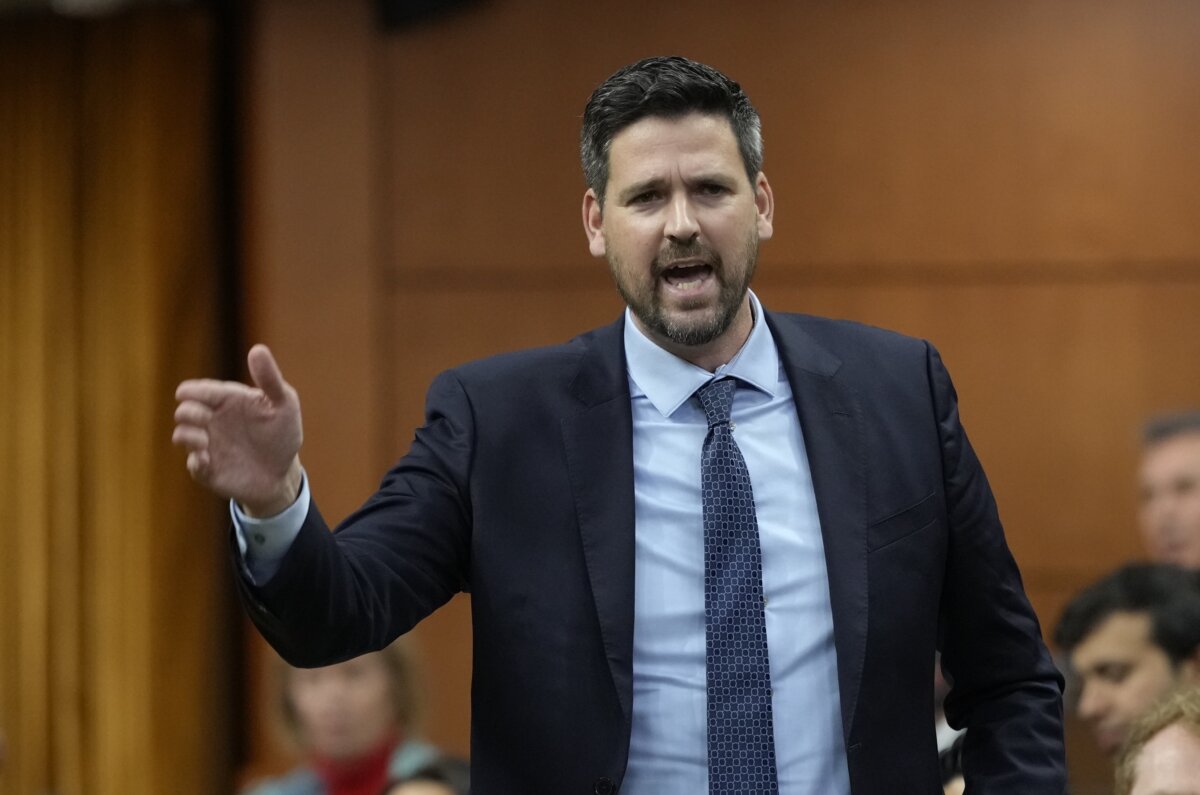
For its part, Ottawa has already dismissed Smith’s demands, with federal Justice Minister Sean Fraser saying on Feb. 4 that the judicial appointment system is working well, and that keeping it independent and fair means “ensuring that there’s not political threats about the resources that are going to be made available to them to do their jobs.”
“I’m planning to maintain the process that we have in place that has independence, that has rigour, that has led to stellar candidates being appointed, including as recently in Alberta,” Fraser said, adding that the independence of the judiciary is a “hallmark of democracy and a key part of the rule of law.”
Further pushback has come from legal professionals such as Criminal Trial Lawyers Association president Shawn King. He told The Canadian Press that if Smith follows through and withholds funding from the courts, the justice system in Alberta will be in “crisis.”
King added that Alberta’s federal courts already have a shortage of justices, a criticism echoed by Alberta Opposition NDP Irfan Sabir, who serves as his party’s justice critic. He has said that Smith’s government is already not adequately funding courts in the province and delaying justice.
National Stakes
The dispute over judicial appointments ties directly to longstanding tensions between Alberta and the federal government.
Kitchen said Smith’s push for reform reflects her effort to balance two positions: showing support for Albertans frustrated with federal policies while stopping short of aligning with the separatist movement.
Smith has repeatedly said she wants Alberta to remain part of Canada while championing reforms to strengthen the province’s role within Confederation and address widespread frustration with Ottawa. Prime Minister Mark Carney, meanwhile, has acknowledged there are frustrations and emphasized the importance of keeping the country united.
 Friends Read Free
Copy
Facebook
Tweet
Friends Read Free
Copy
Facebook
Tweet